Spain’s new radars could fine drivers before they even spot the camera
By Farah Mokrani • Published: 15 May 2026 • 23:36 • 3 minutes read
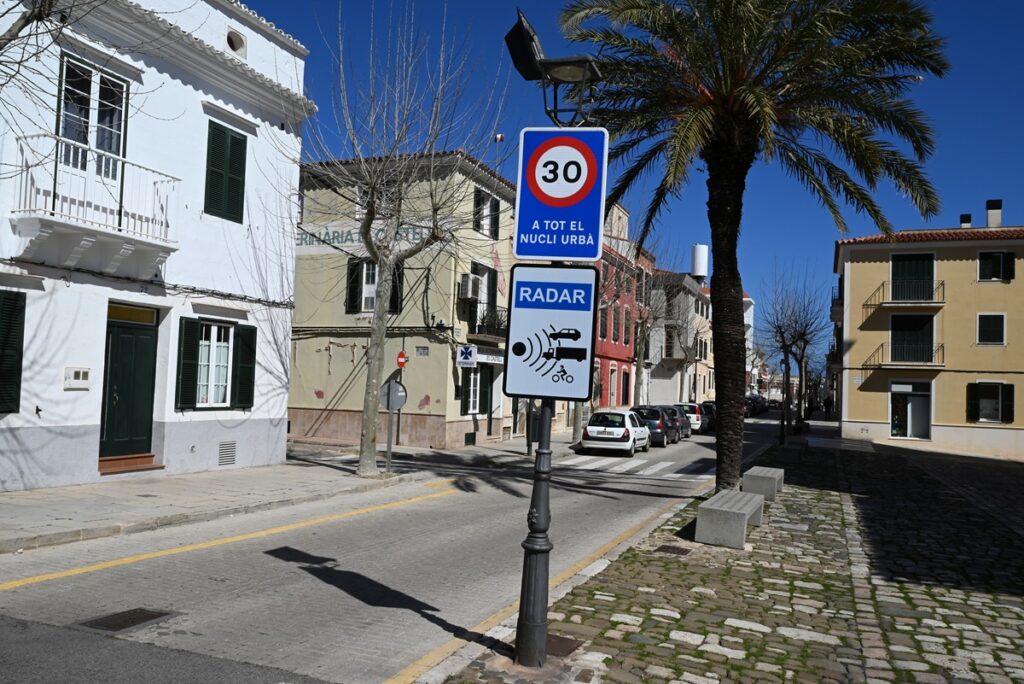
Spain’s DGT is expanding the use of advanced radar technology as speed enforcement becomes more precise across the country. Credit : RVillalon, Shutterstock
A lot of drivers in Spain still react to speed cameras the same way. Spot the radar at the last second, hit the brakes quickly, slow down for a few seconds and then carry on.
The DGT’s newer radar systems may put an end to that habit.
According to reports, Spain’s traffic authority is introducing a new generation of 3D LIDAR speed cameras capable of detecting vehicles from around 200 metres away. In practice, that means many drivers could already have been recorded before they even notice the radar box sitting further down the road.
The technology is also said to be far more precise than older systems, particularly when identifying different types of vehicles including motorcycles, cars and heavy goods vehicles.
And while the DGT continues framing the rollout as a road safety measure, plenty of motorists will probably see it as another sign that avoiding speeding fines in Spain is becoming increasingly difficult.
The old ‘brake at the radar’ trick may stop working
For years, many drivers relied more on spotting speed cameras than actually watching their speed consistently.
Navigation apps helped too. Drivers shared radar locations online, warned each other about mobile controls and often treated fixed cameras as predictable points on familiar roads.
That mentality developed partly because older radar systems gave drivers a little room to react once the camera became visible ahead.
The newer LIDAR based systems reportedly work very differently.
Instead of simply measuring speed at one specific point on the road, the technology creates a more detailed three dimensional reading of traffic movement. The radar analyses not only speed but also the size and type of vehicle travelling through the area.
That allows the system to distinguish much more accurately between different vehicles sharing the same road.
Motorcycles are a particularly important example here.
Older radar systems sometimes struggled to detect motorbikes properly because of their smaller profile and the way riders move between traffic. The newer technology appears designed specifically to improve that accuracy.
And because the cameras can reportedly detect vehicles from around 200 metres away, drivers may no longer have enough time to react once they physically spot the radar itself.
For people who only slow down after seeing the camera, that changes things considerably.
Spain is investing heavily in smarter traffic surveillance
The DGT has spent years expanding traffic enforcement technology across Spain.
Fixed radars, mobile controls, section speed cameras and AI based traffic monitoring systems have all become increasingly common on Spanish roads, especially on routes with high accident rates.
Authorities argue the objective is reducing dangerous driving rather than simply increasing fines.
Speed remains one of the main factors linked to fatal accidents across Europe, particularly on secondary roads where collisions often happen at much higher impact speeds than drivers realise.
The DGT frequently points out that many motorists underestimate stopping distances and overestimate how much control they have while speeding.
That partly explains why traffic authorities continue investing in systems capable of monitoring roads more efficiently and with greater accuracy.
The newer LIDAR radars are also being presented as useful beyond catching speeding drivers.
According to reports surrounding the rollout, the technology could help identify broken down vehicles, unusual traffic situations or accidents more quickly by analysing movement patterns on the road in real time.
Traffic management centres may eventually use that information to improve congestion monitoring and react faster during emergencies. But realistically, most drivers are probably going to focus on one thing first : The fines.
Drivers in Spain are being warned to pay attention even on familiar roads
One reason these newer radar systems may catch more drivers is simply habit.
People tend to relax on roads they know well. They stop checking signs carefully, rely on memory and often drive slightly faster without fully realising it.
Tourist areas create another problem entirely.
Spain receives millions of foreign drivers every year, especially during summer. Many are using unfamiliar roads, rental cars and navigation apps at the same time. In those situations, it becomes very easy to miss sudden speed limit changes.
The DGT has repeatedly warned that relying entirely on GPS instructions instead of road signs is becoming increasingly common.
That behaviour can quickly become expensive if radar systems are capable of identifying speeding vehicles long before drivers notice the control point itself.
And unlike older radar setups that drivers often learned to recognise visually, newer systems may blend much more naturally into existing road infrastructure.
For motorists, the safest approach increasingly seems to be exactly what traffic authorities have been saying for years.
Do not drive according to where you think the radars are. Drive according to the speed limit the whole time.
That advice may sound obvious, but the newer technology suggests Spain’s traffic controls are moving towards something much more difficult to outsmart through habit alone. Because if these systems really can identify vehicles from 200 metres away with greater precision than older radars, then spotting the camera itself may no longer matter very much anymore.
By the time drivers see it, the photo may already have been taken.
Follow Euro Weekly News on Google News
Get breaking news from Spain, travel updates, and expat stories directly on your Google News feed.
Follow on Google NewsSign up for personalised news
Subscribe to our Euro Weekly News alerts to get the latest stories into your inbox!
By signing up, you will create a Euro Weekly News account if you don't already have one. Review our Privacy Policy for more information about our privacy practices.





Farah Mokrani
Farah is a journalist and content writer with over a decade of experience in both digital and print media. Originally from Tunisia and now based in Spain, she has covered current affairs, investigative reports, and long-form features for a range of international publications. At Euro Weekly News, Farah brings a global perspective to her reporting, contributing news and analysis informed by her editorial background and passion for clear, accurate storytelling.
Comments