War and peace with motorhomes in Spain – Choose wisely where to park up in 2026
By Adam Woodward • Updated: 19 May 2026 • 17:47 • 3 minutes read
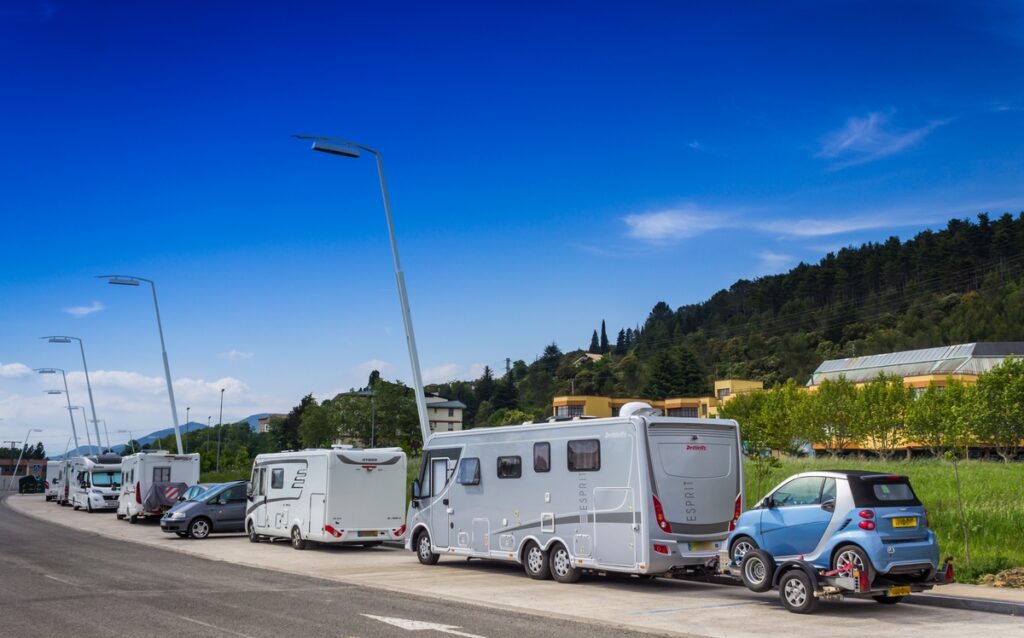
Are motorhomes welcome in Spain? Credit: Noel Boardman - Shutterstock
Those who love to holiday in tourism’s latest popular fashion, motorhoming, will need to plan carefully their holidays in Spain in 2026, as regional policies have created vastly contrasting environments for their journeys.
Ibiza in the Ballearics has adopted probably the most aggressive tactics to restrict overnight stays, while Cantabria in the north of Spain is welcoming the travelling homes with open arms. Motorhomers are going to benefit greatly from a little advance verification of local conditions to prevent cold welcomes.
Ibiza motorhome rules are leading to aggressive enforcement and fines
The Ballearic island’s governance is sticking with zero tolerance for motorhomes parking outside licensed campgrounds during high season. Fines can reach a shocking €30,000 for any attempt to park up on rustic ground, public streets, or unauthorised spots between June and September. Only five official campgrounds accept such vehicles, and reservations long in advance are proving essential for legal entry.
Daily quotas limit non-resident vehicles entering the island with 2026 figures set at 17,668 total, cars included, and fewer than 3,700 private tourist vehicles (motorhomes, caravan and campervans) after accounting for rentals.
There are multiple statutes to strengthen this position. Vehicle control legislation caps summer traffic to counter tourist overloads, while rustic land laws prohibit any camping away from established sites. Politically, this stance is a bit of a shot in the foot for the Ibiza hospitality business, as rents have soared on the island, meaning that many working in hotels and restaurants have little choice but to make their homes on wheels.
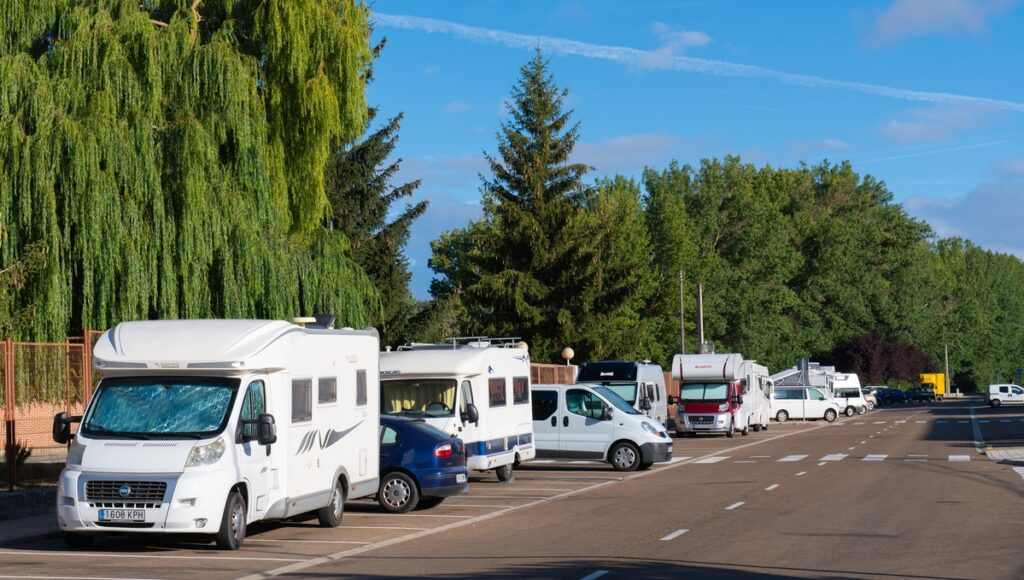
Credit: Charlesy – Shutterstock
Access applications submitted online require proof of campground bookings for motorhome owners. No dedicated motorhome service areas exist on the island, so options narrow sharply to saturated campgrounds charging €40 to €60 per night.
Town areas impose stronger constraints. Council bylaws restrict parking to 24 hours in public spaces, with teams using drones to detect habitation signs inside vehicles.
Autonomous motorhome groups are furious about the numerous fines. Appeals cover cases including one €20,000 fine for extended parking deemed by local police as improper. Seventeen reports filed so far in 2026 target rustic land infractions with fines varying between €10,000 and €30,000. The previous year saw 13 similar fines dished out in areas like Sant Antoni.
Jesús Gallardo, president of the Plataforma Autocaravanas Autónoma (PACA) and expert in law over vehicle homes is indignant about the high fines motorhome owners have received. “It costs a lot less to bail someone out of jail than the fine for parking just three days!” he says. “We are talking about workers, people who can’t afford the luxuries of a hotel.”
However, not all of Spain is at war with motorhomes
Cantabrian politicians have endorsed bylaws governing tourism campsites and motorhome service zones. Recent approvals now eliminate maximum capacity restrictions in service areas to match expanding visitor numbers as the fashion for motorhome tourism is reaching a new historic peak.
As well, technical demands have been relaxed without quality reductions, allowing better adaptation to current sector needs. Requirements for opening a dedicated campsite for motorhomes, such as road width, shops, and first-aid rooms, are being waived to encourage more entrepreneurs into the business.
Administrative efficiency is improving markedly with a revised legal text that condenses 44 articles organised into a preliminary title plus two main sections covering activity commencement and operational regimes.
Cantabrian politicians view motorhome tourism as vital for local economies. This segment supports rural development, helps extend seasons beyond peak periods and draws visitors seeking nature-based sustainable experiences. New rules make Cantabria a favourite destination for moving tourism through orderly and competitive models.
Motorhome drivers benefit from checking where they are headed first
Diverse regulatory landscapes across Spanish regions mean that careful preparation prior to travel is becoming essential. Ibiza demands campground reservations and quota adherence to avoid ridiculously high fines, whereas Cantabria facilitates new site developments for greater flexibility.
Ibiza is quite characteristic of the Balearics, complaining about overtourism and singling out tourists as the source of their woes. And without considering that tourism is the number one mover of their economy, they the deal out punishments rather than coming to political settlements within their own political environment that might limit tourism numbers. But, while they argue amongst themselves about the best ways to tackle overcrowding on their islands, other areas of Spain, it seems, are more than happy to welcome the overflow and can’t wait for more motorhomes to visit.
Follow Euro Weekly News on Google News
Get breaking news from Spain, travel updates, and expat stories directly on your Google News feed.
Follow on Google NewsSign up for personalised news
Subscribe to our Euro Weekly News alerts to get the latest stories into your inbox!
By signing up, you will create a Euro Weekly News account if you don't already have one. Review our Privacy Policy for more information about our privacy practices.



Adam Woodward
Adam is a writer who has lived in Spain for over 25 years. With a background in English teaching and a passion for music, food, and the arts, he brings a rich personal perspective to his work at Euro Weekly News. As a father of three with deep roots in Spanish life, Adam writes engaging stories that explore culture, lifestyle, and the everyday experiences that shape communities across Spain.
Comments
Algoz
16 May 2026 • 20:45They contribute nothing to the Spanish economy, except for buying a few groceries, and the odd meal out. Hotel and guest houses receive nothing….they are like leeches….good riddance.
Comments are closed.