Driving motorhomes and caravans in Spain: Does my licence allow me to?
By Adam Woodward • Published: 21 Apr 2026 • 18:48 • 2 minutes read
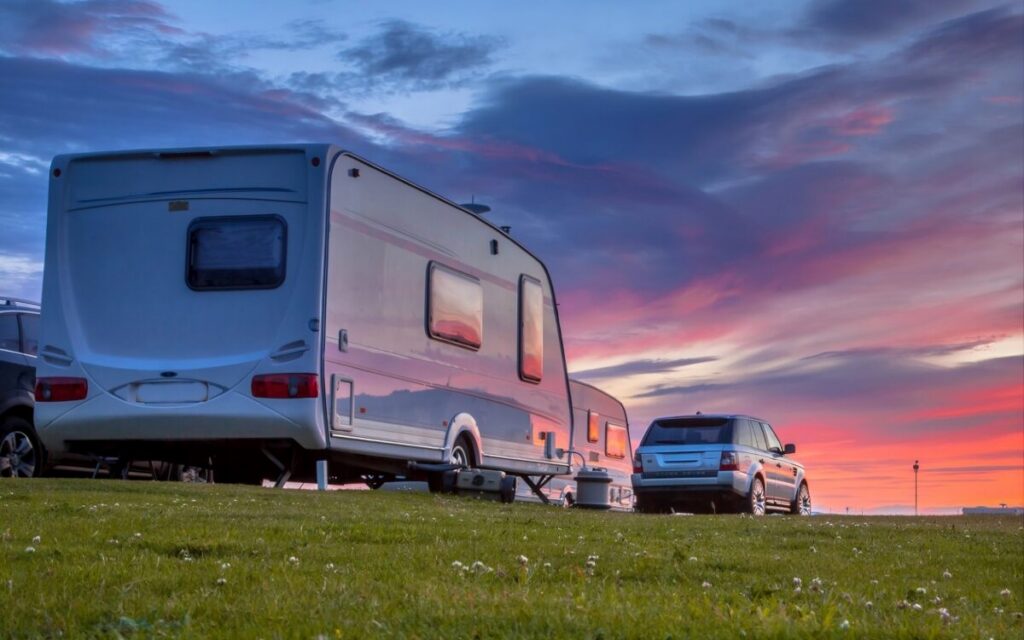
Rules on driving motorhomes and caravans. Credit: DGT
Spanish traffic authorities, the DGT, have clarified the driving requirements for motorhomes, campers and caravans ahead of the busy holiday season. The popularity of roaming free with a motorhome or caravan in tow has tripled in the last ten years in Spain, and the fashion shows no sign of peaking anytime soon.
Many of our readers were forced to have to change their driving licences to Spanish ones with Brexit, and many noted how certain permissions from the back of the licence were lost with the changeover. Some “lost” higher categories (e.g., C1, C, or older entitlements) during the swap, depending on when and how the exchange occurred.
Now, motorhomes and campervans fall into distinct categories depending on their design and weight. Spanish authorities define motorhomes as vehicles built specifically for living inside, while campervans start as standard vans later adapted for overnight use. Caravans, by contrast, are still considered unpowered trailers towed behind another vehicle.
Standard licence options for most motorhomes and campervans
Car drivers can operate the vast majority of motorhomes and campervans using only a category B car licence. Most market models usually stay below the 3,500 kg maximum authorised mass limit, allowing straightforward use without extra qualifications or new licences.
Heavier motorhomes that exceed 3,500 kg demand a category C1 licence, which covers light trucks. Rare examples weighing more than 7,500 kg require the full category C licence intended for heavier commercial vehicles.
Licence rules when towing a caravan
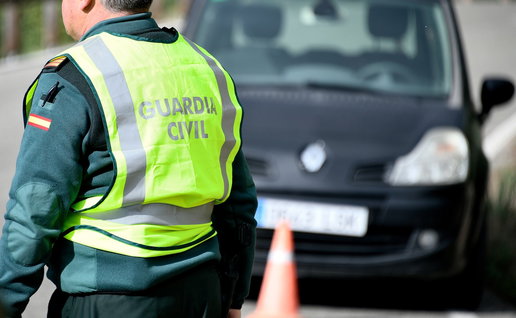
Requirements are not all that straightforward when attaching a caravan or trailer to a car. Light trailers with a maximum authorised mass of 750 kg or less need no additional paperwork, provided the combined weight of the car and trailer stays under 3,500 kg. In these situations, a standard category B licence proves enough for roadside Guardia Civil checks.
For combinations reaching up to 4,250 kg, drivers must hold the B-96 authorisation. Anything heavier than that total calls for the B+E licence to remain fully legal.
Unlike articulated lorries, normal-sized caravans do not need separate registration plates. Owners simply display the towing vehicle’s registration clearly at the rear. However, this will change the bigger the caravan. Insurance cover for the trailer comes automatically under the car policy in most cases, although this needs to be confirmed with the insurance supplier.
Special considerations for motorhomes towing trailers
Motorhomes pulling trailers follow exactly the same combined-weight rules as ordinary cars. Drivers check the total maximum authorised mass of the entire outfit before setting off.
Situations involving motorhomes with more than nine seats for travelling passengers are highly unusual for tourist use. Such configurations would demand passenger-carrying licences such as D1, D, D1+E or D+E, depending on exact specifications.
Practical advice for summer road trips in 2026
Planning a trip in Spain requires checking the precise weight details listed on each vehicle’s registration document. Drivers unsure about their licence entitlements can consult the Dirección General de Tráfico website or local offices for confirmation.
Staying within legal limits helps avoid fines and ensures smooth journeys across popular routes. With the massive popularity of this type of holidaying in 2026, expect the occasional roadside check from the police in Spain. Many families choose lighter models to keep preparations simple and focus on enjoying their holidays and spending most of their time outside enjoying the weather.
Road safety organisations recommend verifying all documentation well before departure. Proper licensing protects travellers and contributes to safer conditions for everyone sharing Spanish roads this summer.
Sign up for personalised news
Subscribe to our Euro Weekly News alerts to get the latest stories into your inbox!
By signing up, you will create a Euro Weekly News account if you don't already have one. Review our Privacy Policy for more information about our privacy practices.



Adam Woodward
Adam is a writer who has lived in Spain for over 25 years. With a background in English teaching and a passion for music, food, and the arts, he brings a rich personal perspective to his work at Euro Weekly News. As a father of three with deep roots in Spanish life, Adam writes engaging stories that explore culture, lifestyle, and the everyday experiences that shape communities across Spain.
Comments