Spain drivers warned as 15 new DGT speed cameras will move around and be harder to spot
By Farah Mokrani • Published: 21 Apr 2026 • 19:20 • 3 minutes read
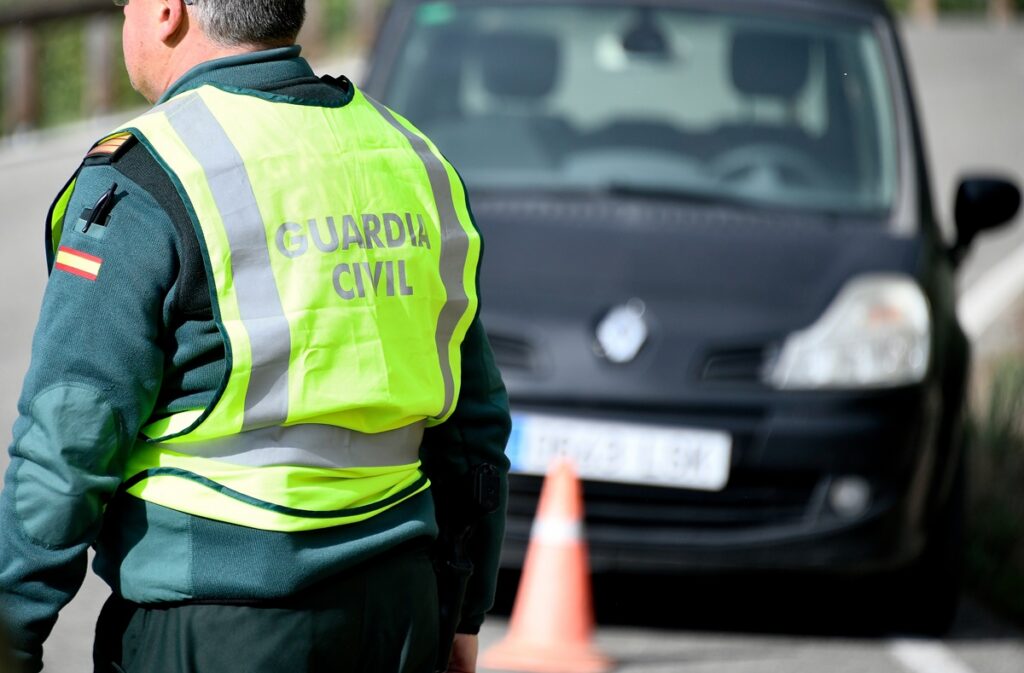
Spain’s new movable DGT radars will be used by the Guardia Civil on roads nationwide Credit : Joan Llado, Shutterstock
Drivers in Spain are being told to expect 15 new DGT dynamic speed cameras, devices that can be moved between locations instead of staying permanently in the same place. That means motorists who know where the usual radars are and slow down only at those points could soon be caught out. The new units, confirmed through official contracting notices, are set to be used by the Guardia Civil and are part of the DGT’s ongoing efforts to tackle speeding on Spanish roads.
For many drivers, the biggest change is not the number of cameras. It is the fact they will not always be where you expect them.
Why these new radars matter to everyday drivers
Anyone who drives regularly in Spain knows the pattern. There are fixed radars people talk about, locations shared in WhatsApp groups, and stretches of road where locals automatically tap the brakes because they know a camera is coming.
These new devices are designed to make that habit less useful. They can reportedly be used in a fixed position or moved depending on where officers decide to place them. In simple terms, the same camera could be monitoring one road this week and another one shortly after.
That unpredictability is exactly what makes them different from the traditional fixed systems drivers have grown used to.
For someone who already sticks to the speed limit, it changes very little.
For someone who speeds until they reach a known camera, it could change quite a lot.
The DGT focus on speeding continues
Spanish traffic authorities have repeatedly said speeding remains one of the most common offences on the road network.
That is why speed enforcement keeps expanding through fixed cameras, section control systems and mobile checks.
The DGT view is straightforward. Lower speeds reduce stopping distances and give drivers more time to react when something unexpected happens.
Many motorists disagree with the constant increase in controls and see cameras mainly as a source of fines. Others point out that certain dangerous roads became calmer after enforcement was introduced.
That debate is unlikely to disappear now.
What is certain is that Spain continues to invest in road monitoring technology, and these 15 units are the latest example.
Where they are most likely to be used
Because the cameras can be moved, they are expected to be especially useful where traffic patterns change.
That could mean busy holiday routes, roads packed during long weekends, summer getaway operations or stretches where complaints about speeding are frequent.
Instead of leaving one radar permanently in the same place, officers can move units according to need.
For example, a route leading to coastal resorts during a summer Friday may receive extra attention, while another road might be checked during a return journey weekend.
This flexibility gives authorities more options and gives drivers fewer clues. It also means people should not assume quieter roads are free from checks.
What has been reported about the technology
Reports on the new units say they can monitor several lanes and work in both directions of travel. That would allow one device to cover a wider section of road than older single lane systems.
They are also described as capable of detecting vehicles from distance, which can help officers monitor traffic before drivers notice the device.
For motorists, that means sudden braking at the last second may be less effective than before.
The smarter approach, as always, is steady and legal driving from the start.
What drivers should actually take from this
Some headlines make every new radar sound dramatic.
The reality is more ordinary. These cameras do not create new offences. They enforce rules that already exist.
If you normally drive within limits, pay attention to road signs and adjust speed for conditions, they are unlikely to make much difference to your day.
If your driving style depends on knowing where cameras are, then yes, they may become a problem.
That is probably the group these new radars are aimed at.
Will there be more in future
Yeah possibly. Across Europe, traffic authorities are using more mobile and adaptable enforcement systems. Spain is clearly part of that wider trend.
If these cameras are considered effective, further purchases would not be surprising.
For now, though, the confirmed figure is 15 units.
What Spain drivers should remember now
Many drivers treat radars like landmarks. Slow down here, speed up there, repeat tomorrow. The arrival of movable cameras challenges that routine.
For Spain’s motorists, the message is simple enough: the safest place to respect the speed limit is not near the camera. It is everywhere.
Sign up for personalised news
Subscribe to our Euro Weekly News alerts to get the latest stories into your inbox!
By signing up, you will create a Euro Weekly News account if you don't already have one. Review our Privacy Policy for more information about our privacy practices.




Farah Mokrani
Farah is a journalist and content writer with over a decade of experience in both digital and print media. Originally from Tunisia and now based in Spain, she has covered current affairs, investigative reports, and long-form features for a range of international publications. At Euro Weekly News, Farah brings a global perspective to her reporting, contributing news and analysis informed by her editorial background and passion for clear, accurate storytelling.
Comments