Marina Alta’s protected natural spaces continue attracting visitors year-round
By Dora Urbancsek • Published: 25 May 2026 • 7:37 • 1 minute read
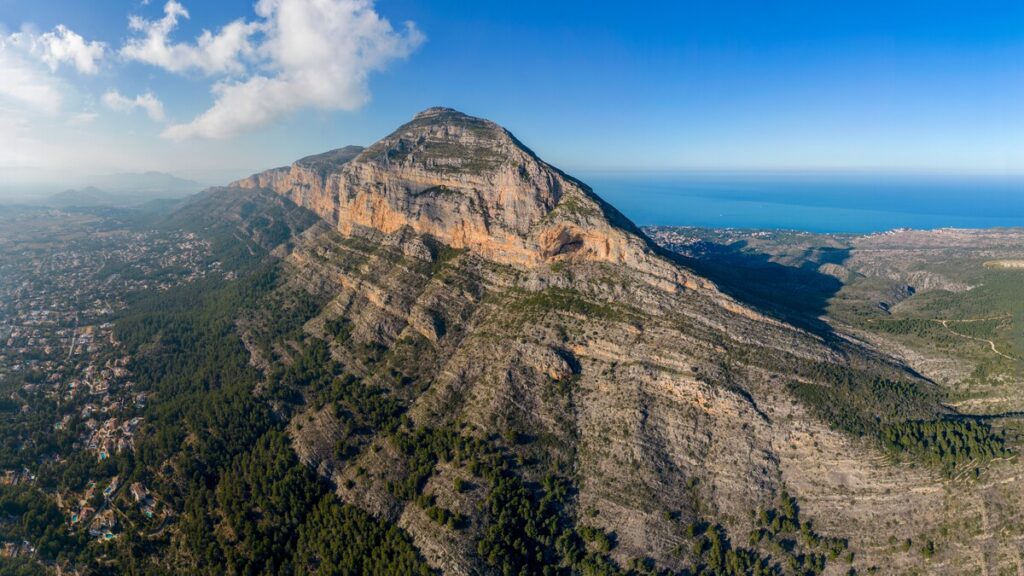
the Costa Blanca’s most environmentally diverse region Credit: Shutterstock/katyapulka
The Marina Alta continues strengthening its reputation as one of the Costa Blanca’s most environmentally diverse regions, with natural parks and protected landscapes attracting hikers, cyclists, birdwatchers and nature lovers throughout the year.
From wetlands filled with birdlife to dramatic mountain routes and iconic coastal formations, the region contains some of the Valencian Community’s most recognisable protected natural spaces. Local authorities and environmental organisations continue promoting sustainable tourism linked to these areas as interest in outdoor activities keeps growing.
Montgó remains one of the region’s most iconic landscapes
Among the best-known protected areas is the Montgo Natural Park, located between Denia and Javea. The mountain rises more than 750 metres above sea level and offers panoramic views across the Mediterranean coastline.
The park attracts thousands of visitors each year thanks to its hiking routes, Mediterranean vegetation and rich biodiversity. Several signposted trails lead through pine forests, rocky landscapes and viewpoints overlooking both the coast and inland valleys.
Peñón de Ifach remains symbol of the Costa Blanca
Another of the Marina Alta’s most recognisable natural landmarks is the Penyal d’Ifac Natural Park in Calp.
The massive limestone rock formation rises directly from the coastline and has become one of the Costa Blanca’s most photographed locations. The protected area is also home to numerous bird species and unique Mediterranean plant life adapted to the rocky environment. Visitor numbers have increased significantly in recent years, leading authorities to introduce reservation systems and conservation measures to protect the park.
Wetlands and biodiversity at Pego-Oliva marshes
Further inland, the Marjal de Pego-Oliva Natural Park offers a completely different landscape centred around wetlands, rivers and rice fields.
The protected area covers more than 1,200 hectares and is recognised internationally for its biodiversity and birdlife. The marshland forms part of the Ramsar Convention for wetland protection and the European Natura 2000 network. Visitors can explore the area through walking paths, birdwatching routes and cycling trails passing through natural springs and waterways.
Local tourism organisations say growing interest in sustainable travel and outdoor experiences is helping position the Marina Alta as more than simply a sun-and-beach destination, with protected natural spaces now playing an increasingly important role in the region’s identity.
Follow Euro Weekly News on Google News
Get breaking news from Spain, travel updates, and expat stories directly on your Google News feed.
Follow on Google NewsSign up for personalised news
Subscribe to our Euro Weekly News alerts to get the latest stories into your inbox!
By signing up, you will create a Euro Weekly News account if you don't already have one. Review our Privacy Policy for more information about our privacy practices.



Dora Urbancsek
Dora Urbancsek is an SEO writer with over eight years of experience producing high-quality, search-optimised journalism and digital content. Based in Spain for more than five years, she covers a wide range of topics concerning Spain and Europe, including current affairs, community stories, culture, and lifestyle. Dora is known for accurate, well-researched reporting that keeps readers informed and engaged.
Comments