New announcement from prime minister – what Spain’s €9bn plan means for households
By Lottie Verrier • Updated: 26 May 2026 • 11:51 • 3 minutes read
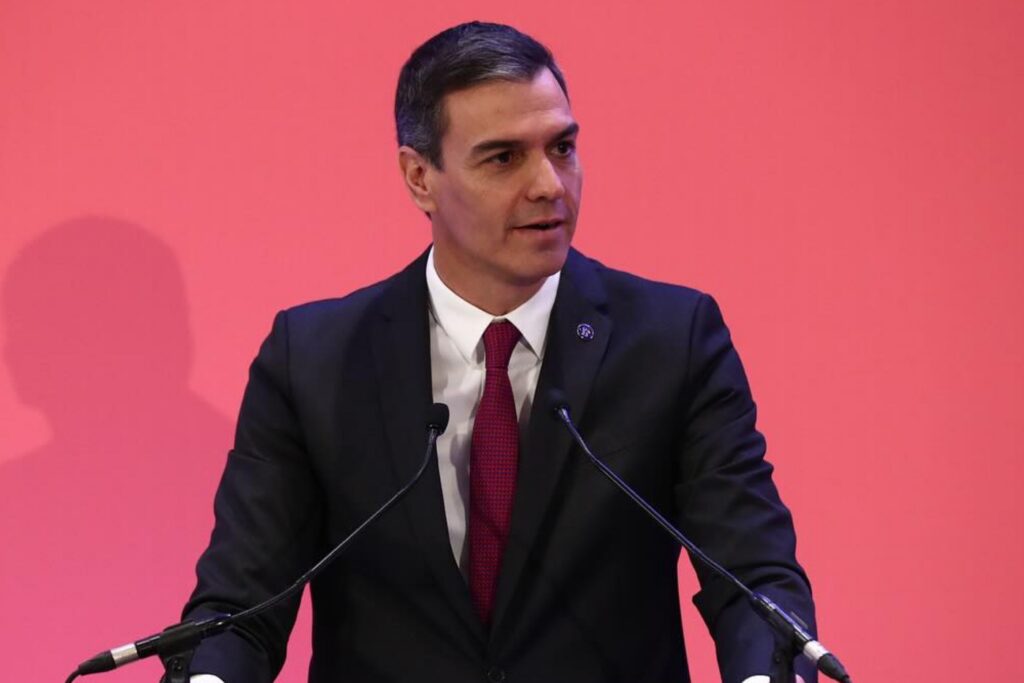
Aimed at helping residents cope with rising energy and transport costs Credit: Facebook/PedroSanchez
Spain has unveiled a huge new €9 billion climate and social support plan aimed at helping residents cope with rising energy and transport costs as Europe moves towards greener living. The package, announced by Prime Minister Pedro Sánchez, is designed to protect households from the financial impact of new EU climate rules that could eventually make heating homes and driving petrol or diesel vehicles more expensive.
For the millions of people living in Spain – including expats, pensioners and international homeowners – the plan could eventually bring grants for home improvements, cheaper transport options and financial support linked to energy efficiency.
Spain’s new green support package explained
The proposal forms part of the EU’s wider Social Climate Fund and focuses heavily on housing and transport.
Around €4.7 billion is expected to go towards improving energy efficiency in homes, including insulation upgrades, cleaner heating systems and building renovations. Another €4.3 billion would support cleaner transport initiatives, including public transport improvements and low-emission mobility schemes.
The aim is to prepare Spain for the EU’s upcoming ETS2 carbon pricing system, due to launch in 2028. That system will expand emissions charges to buildings and road transport across Europe, something experts warn could increase household costs if governments fail to cushion the impact.
Spanish officials say the new package is intended to stop ordinary households from carrying the burden of the green transition alone.
What this could mean for people living in Spain
For residents across Spain, the announcement could eventually translate into direct savings and financial support.
In areas popular with expats such as Mallorca, Costa Blanca and the Costa del Sol, many homes are older properties with poor insulation and high cooling costs during the summer months. Any future grants for energy upgrades could therefore become especially valuable.
Families relying on cars for commuting may also benefit if public transport networks improve or if cleaner vehicle incentives are expanded.
The package may be particularly important for pensioners and fixed-income households already struggling with electricity prices and inflation pressures in Spain.
Smaller towns and rural areas – where residents often depend more heavily on private vehicles – could also see targeted support as the government attempts to avoid widening economic inequality during the transition.
What residents should watch out for now
Although the headline figure sounds impressive, the support will not arrive overnight.
Many of the measures still require approval both in Spain and at EU level before funding can be fully released.
Residents considering home renovations or energy-efficiency improvements may want to keep a close eye on future grant announcements over the next 12 to 18 months.
Homeowners should also pay attention to:
- future solar panel subsidies
- insulation grants
- electric vehicle incentives
- discounted transport schemes
- local council energy-efficiency programmes
Experts say acting early could help households reduce future energy costs before the EU’s new emissions system takes effect.
Why Spain is pushing this now
Spain is among the European countries most exposed to climate-related challenges including extreme heat, drought and rising energy demand during summer.
Mediterranean regions have already experienced repeated heatwaves and water shortages in recent years, putting pressure on infrastructure and household budgets alike.
The Sánchez government argues that greener housing and cleaner transport are no longer simply environmental issues but economic necessities.
The political challenge, however, is ensuring voters do not feel financially punished by climate policies during an ongoing cost-of-living crisis.
Questions many residents are asking
Will people get direct payments?
At this stage, the government has focused more heavily on subsidies, infrastructure investment and energy-efficiency support rather than direct cash payments.
Will expats qualify?
Exact eligibility rules have not yet been published, but many existing Spanish subsidy programmes are available to legal residents regardless of nationality.
Could fuel prices rise in future?
Potentially yes. The EU’s ETS2 emissions system could increase costs linked to fuel and home heating from 2028 onwards.
Will renters benefit too?
Possibly. If landlords improve energy efficiency in buildings through grants, tenants could eventually benefit from lower utility bills.
Spain is expected to formally submit the plan to the European Commission later this year.
The government must still secure political backing linked to the rollout of the EU’s new carbon pricing system before the full funding package can move ahead.
If approved, the first wave of measures could begin rolling out before the 2028 launch of the new EU emissions rules – giving households across Spain time to prepare for a greener, and potentially more expensive, future.
Follow Euro Weekly News on Google News
Get breaking news from Spain, travel updates, and expat stories directly on your Google News feed.
Follow on Google NewsSign up for personalised news
Subscribe to our Euro Weekly News alerts to get the latest stories into your inbox!
By signing up, you will create a Euro Weekly News account if you don't already have one. Review our Privacy Policy for more information about our privacy practices.





Lottie Verrier
Lottie Verrier is a journalist and digital media specialist based in Mallorca. After a decade in London media, including a role as Deputy Editor for the MailOnline’s eCommerce division, she now combines her editorial expertise with a passion for the island to create engaging content that celebrates the best of life in Spain. Instagram @lottieinmallorca
Comments