Portugal’s last circus elephant finds a new home
By Elli Freeman • Published: 29 May 2026 • 13:34 • 2 minutes read
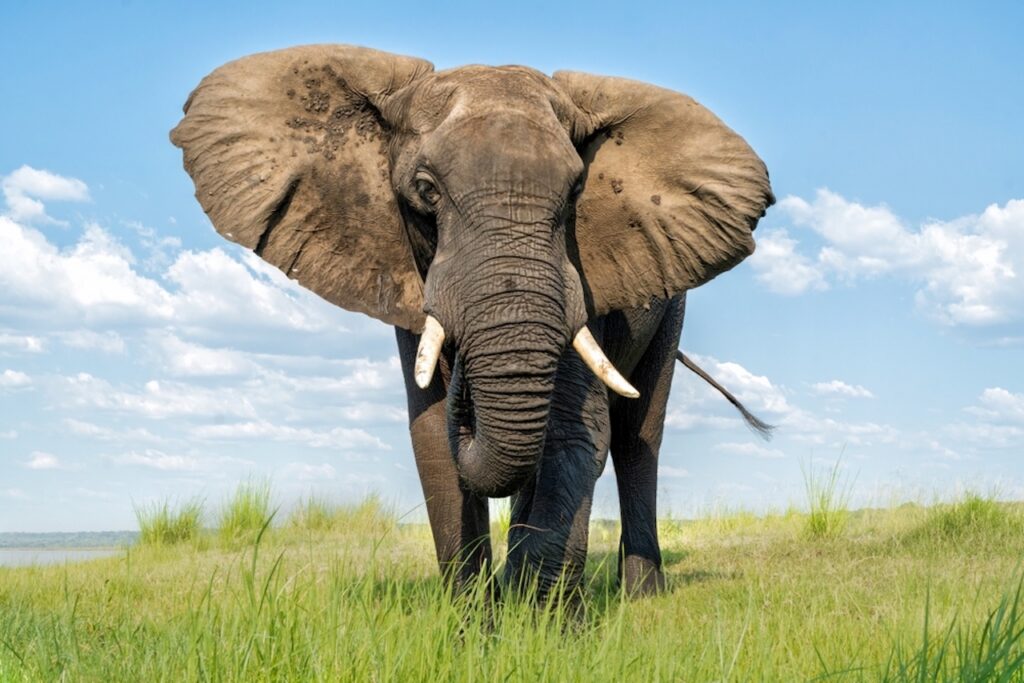
Pangea prepares to welcome first rescue elephants Credit: Shutterstock, Henk Bogaard
Portugal’s last circus elephant is retiring to a life of luxury. Julie, who has been a part of the Victor Hugo Cardinali circus since 1988, will be one of the first elephants to reside at Pangea, Europe’s first ever elephant sanctuary.
Pangea, Europe’s first elephant sanctuary opens in Europe
Pangea elephant sanctuary spans 1,000 acres in Alenejo, Portugal. Its habitats have been modelled after Asian and African planes, ensuring native wildlife species can thrive, and rescued elephants can comfortably roam in an expansive but protected territory. They will be able to roam, forage, and socialise freely, all the while receiving individualised care from wildlife experts.
The Pangea project is backed by governmental support and has also received endorsements from elephant experts and wildlife biologists around the world, who hail the sanctuary as a saving grace. Establishing Pangea has taken over ten years to turn into a reality. But at least, it is ready to welcome its first two residents.
Julie and Kariba start a new life
Julie, a 40-year-old African elephant, will be the first elephant to explore what Pangea has to offer. For almost her entire life, Julie has been part of the Victor Hugo Cardinali circus. Unbelievably, the Portuguese ban of wild animals in circuses didn’t come into effect until 2025, at which point the circus began considering other arrangements for Julie, who the whole circus had a real affection for.
Julie will be eventually accompanied by another female elephant, Kariba. Kariba has been based in Belgium zoo, one of many elephants across the world who live in almost complete isolation from their species.
Notably, Julie and Kariba’s arrival marks the return of the species to the area straight-tusked elephants roamed some 40,000 years ago.
Why elephant sanctuaries are so important
Pangea recently shared an update on Kariba’s journey to their social media. They explained that her arrival has been delayed following the discovery of an abscess on her foot. This is a common ailment of elephants who have spent their lives captivity. Thankfully it is an easily treatable condition and Kariba has the best veterinary care, it simply means her journey to Pangea will be slightly delayed.
Elephants are incredibly social and active species, walking tens of kilometres each day in the wild as part of a large herd. Yet an estimated 600 elephants are held in captivity around the world. Many are held in poor, isolated conditions, and some are forced to perform tricks on command to paying audiences.
Thankfully legislation is improving and Pangea is ready to give elephants the home they deserve. Pangea is currently able to take in up to 30 elephants, but continued fundraising efforts will hopefully see the sanctuary and its herd grow further.
Crucially, Pangea is not a zoo, it’s a sanctuary, where finally Julie and Kariba will be allowed to roam freely.
Follow Euro Weekly News on Google News
Get breaking news from Spain, travel updates, and expat stories directly on your Google News feed.
Follow on Google NewsSign up for personalised news
Subscribe to our Euro Weekly News alerts to get the latest stories into your inbox!
By signing up, you will create a Euro Weekly News account if you don't already have one. Review our Privacy Policy for more information about our privacy practices.




Elli Freeman
Originally from the UK, Elli has lived in Spain for more than half of her life. She holds a B.A in English Literature and Creative Writing. Before joining the Euro Weekly News team, Elli was an avid traveller, with a keen interest in exploring new cultures.
Comments