Spain has 15 million pets; But hundreds of thousands are still being abandoned each year
By Molly Grace • Updated: 07 Jun 2026 • 11:17 • 3 minutes read

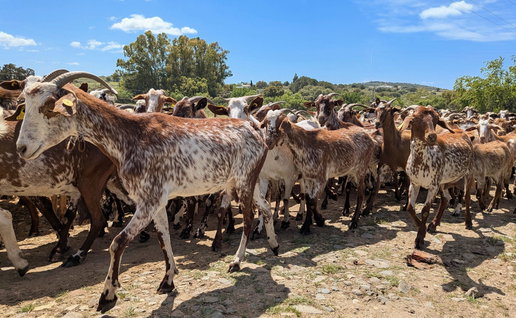
Dogs remain the most common domestic animal representing just over half of all pets. Photo credit: Molly Grace
According to new data published by the Ministry of Social Rights, Consumer Affairs and Agenda 2030, Spain has confirmed that more than 15 million domestic animals are currently living in households across the country. The figures form part of the first official national statistics on animal protection and provide the most detailed picture yet of pet ownership trends in Spain.
The data show that there are approximately 7.56 million dogs and 5.62 million cats registered nationwide. Together, they account for around 87% of all domestic animals. The remaining proportion includes rabbits, birds, reptiles and other small species, which collectively total just under two million animals.
The ministry report indicates that Spain’s pet population has increased by around 14% since 2021. It also highlights significant regional differences in distribution, with Andalucía recording the highest number of animals, followed by Cataluña, Madrid and the Valencian Community.
High pet ownership contrasts with abandonment figures
Alongside the growth in pet ownership, Spain continues to face a high level of animal abandonment. According to estimates from animal welfare organisations and the Fundación Affinity, around 292,000 dogs and cats were taken into shelters or collected by rescue services in 2024. This equates to roughly 800 animals per day, or around 33 every hour.
The figures are widely used as an indicator of abandonment and stray intake across the country. While not every animal collected has been deliberately abandoned, the data are considered one of the most consistent measures of pressure on shelters and rescue organisations.
Reports suggest that the number has remained broadly stable over recent years, but at a level that charities continue to describe as high. Seasonal peaks are also observed during the summer months, when travel and housing changes can increase the likelihood of animals being left behind or surrendered.
Spain compared with other EU countries on animal welfare
Despite the scale of pet ownership and a growing legal framework on animal protection, Spain is frequently cited by animal welfare organisations as one of the countries in the European Union facing persistent challenges in reducing abandonment rates. Animal protection groups have pointed to factors including regional variation in enforcement, limited public shelter capacity, and high reliance on private rescue organisations. However, comparative EU-wide statistics on abandonment are not standardised, making direct rankings complex.
Spain has introduced a national Animal Welfare Law, which came into force in 2023, aimed at strengthening identification requirements, improving breeding controls and increasing penalties for neglect. The legislation also introduced stricter obligations for pet owners, including mandatory identification and rules around care and supervision. Even so, welfare organisations argue that implementation varies between regions and that enforcement remains uneven, particularly in rural areas and in relation to stray animal management.
Abandonment patterns and seasonal pressure
Data from shelter organisations suggest that abandonment levels remain relatively consistent throughout the year, but increase during specific periods. Summer is traditionally the most pressured season for rescue centres, particularly in coastal and tourist-heavy regions.
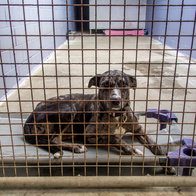
Dawn, who runs a rescue shelter in Cádiz tells EWN about her first hand experience running a shelter and how the summer period places significant strain on facilities like hers.
“We dread every summer season, we have dogs pouring in at such a rate that we cannot house them all, we receive little help from the government and most of the expenses comes out of our own pockets,” she said. She adds, “I know most people get tired of hearing it, but please foster or adopt instead of buying.”
Estimates from welfare groups indicate that tens of thousands of animals may be surrendered or abandoned in the months leading up to the summer holiday period. In 2024, more than 290,000 animals were collected nationwide, and early indications from welfare bodies suggest that 2026 is expected to remain broadly in line with those figures if not more, based on historical intake levels.
Regional concentration of pets
The new government statistics also show that pet ownership is not evenly distributed across Spain. Andalucía accounts for the highest concentration of animals, with around 3.3 million registered pets. Cataluña follows with close to two million, while Madrid and the Valencian Community also record high numbers.
Dogs remain the most common domestic animal, representing just over half of all pets, while cats account for just over a third. Smaller exotic animals such as rabbits, ferrets, birds and reptiles make up the remaining share.
Officials say the data will be used to improve planning for animal welfare services and to support future policy development, including local-level coordination on shelter capacity and identification systems.
Ongoing policy debate
The publication of the figures has renewed debate over Spain’s approach to animal welfare. Supporters of recent reforms argue that legal changes represent significant progress in standardising care and reducing neglect. However, critics highlight that high abandonment levels continue to place pressure on shelters and local authorities.
Animal welfare organisations continue to call for stronger enforcement, improved public awareness campaigns and increased funding for rescue services. They also point to the importance of microchipping and owner accountability in reducing the number of animals entering the shelter system.
While Spain’s pet population continues to grow, the challenge remains how to ensure that welfare systems develop at a similar pace.
Follow Euro Weekly News on Google News
Get breaking news from Spain, travel updates, and expat stories directly on your Google News feed.
Follow on Google NewsSign up for personalised news
Subscribe to our Euro Weekly News alerts to get the latest stories into your inbox!
By signing up, you will create a Euro Weekly News account if you don't already have one. Review our Privacy Policy for more information about our privacy practices.



Molly Grace
Molly is a British journalist and author who has lived in Spain for over 25 years. With a background in animal welfare, equestrian science, and veterinary nursing, she brings curiosity, humour, and a sharp investigative eye to her work. At Euro Weekly News, Molly explores the intersections of nature, culture, and community - drawing on her deep local knowledge and passion for stories that reflect life in Spain from the ground up.
Comments
D. Teasdale
08 June 2026 • 14:37So sad 😰
Comments are closed.