Unwelcome guests: Invasive ants swarm homes in Spain: Here’s how locals fight back naturally
By Adam Woodward • Updated: 09 Jun 2026 • 9:34 • 3 minutes read
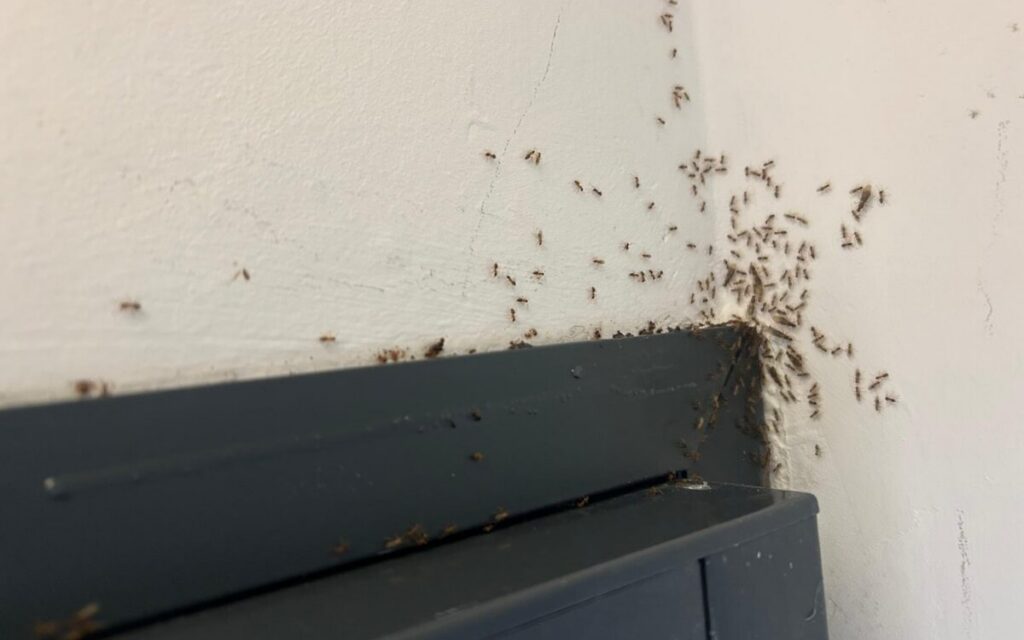
Swarming ants invade Spanish homes. Credit: EWN
In the beautiful pueblo blanco town of Frigiliana in the Malaga Region, one of the highest-rated restaurants (we won’t mention its name here) comes with an unexpected added extra that detracts somewhat from the culinary satisfaction. As the place is open to the elements, the staff seem to have become numb to the presence of swarms of ants in their establishment – millions of them everywhere! As the walk up to the elevated mountainside restaurant overlooking Nerja and the Mediterranean Sea below is quite the effort, few are left with the energy to climb back down again and find a healthier place to dine. But, almost certainly, none will return.
Spanish homes and dealing with ants
In many of the Spanish Costas, ants are prevalent, tunnelling under homes and restaurants, and as the little bugs love the heat of summer, they are most typically noticed in the warmer months of the year, especially outside the bigger towns and cities, cutting through the cement of walls into kitchens and bathrooms and through pipes that carry electrical cables, and out through the plug sockets. But what can be done? What do the Spanish do about the ant infestation situation? They’ve a wealth of knowledge that has been passed on from generation to generation and don’t appear to be driven to the end of their tether by the tiny pests.
Let’s take a look at some of the tricks of the Spanish for dealing with dreaded ant infestations at home.
Traditional Spanish methods passed down generations
Spanish households have long relied on simple, natural kitchen and household staples to deal with ant infestations, something they see as an inevitable side effect of country living. These remedies focus on disrupting pheromone trails (ants’ “GPS”), repelling them with strong scents, or using baits that target the colony. They’re popular in Spain due to their accessibility, low cost, and safety around kids and pets (though always use caution with baits).
- Vinegar + Water Spray (One of the Most Popular)
Mix equal parts white vinegar (no, not the malt variety) and water in a spray bottle.
Spray onto countertops, floors, entry points, windowsills, and ant trails.
Why it works: Vinegar erases the scent trails ants follow and repels them with its strong smell. Many Spanish sources call this a go-to for kitchens. Go for the vinegar on sale in the cleaning department of the supermarket, and wear rubber gloves. - Lemon Juice
Squeeze fresh lemon juice (or mix with water) and wipe/spray along trails and entry points. Place lemon peels or halves near doors/windows.
Why it works: The citric acid disrupts trails and leaves a fresh scent ants dislike. Often combined with vinegar. - Bicarbonate of Soda (Baking Soda) + Sugar
Mix equal parts baking soda and sugar. Sprinkle near ant paths or entry points (or make a paste with water).
Why it works: Sugar attracts them; baking soda disrupts their digestion when ingested and carried back to the nest. A classic “remedio casero.” - Bay Leaves (Laurel), Cloves, Cinnamon, or Dry Coffee Grounds
Place whole bay leaves or cloves or sprinkle ground cinnamon/coffee grounds along trails, windows, and corners. Boil bay leaves + cloves in water for a spray.
Why it works: Strong aromas (especially laurel, common in Spanish cooking) overwhelm ants’ senses. Cinnamon and coffee are frequently mentioned as quick pantry fixes. - Other Scent Repellents
Garlic, mint, or pepper: Crush garlic, use mint leaves, or sprinkle black pepper/paprika/cayenne in problem areas.
Talcum powder, chalk, or diatomaceous earth: Draw lines or sprinkle as physical barriers at entry points. - Boric Acid or Borax Baits (More Targeted for Colonies)
Mix with sugar and water or condensed milk into a paste. Place in shallow dishes away from pets/kids.
Why it works: Ants carry it back to the nest, killing the colony over time. Common in effective home solutions.
Constant cleaning through the summer
The main thing is to keep surfaces absolutely spotless, especially during the summer months. This is not easy, especially with kids around, but an essential life lesson for them. Seal entry points with the above listed barriers. Wherever you spot little mounds of brick dust in the corners, the chances are that the little devils have been boring holes in the cement directly above, perhaps behind a wall fitting such as a cupboard, so target that entrance too. For outdoors and in gardens: Rice and baking soda mixes or citrus peels are sometimes used.
These methods are generally safe and eco-friendly but work best for mild infestations. For severe problems, combine them or consider professional help. Results vary by ant species, but vinegar, citrus, and strong spices are the most universally praised “trucos de las amas de casa.” Always test small areas first!
Read more about other tips & tricks for flys and cockroaches:
The simple 1-minute bottle trick clearing Spanish homes of flies this summer
Cockroach season arrives in Spanish homes: Prevention methods talked about by Spanish locals in 2026
Follow Euro Weekly News on Google News
Get breaking news from Spain, travel updates, and expat stories directly on your Google News feed.
Follow on Google NewsSign up for personalised news
Subscribe to our Euro Weekly News alerts to get the latest stories into your inbox!
By signing up, you will create a Euro Weekly News account if you don't already have one. Review our Privacy Policy for more information about our privacy practices.





Adam Woodward
Adam is a writer who has lived in Spain for over 25 years. With a background in English teaching and a passion for music, food, and the arts, he brings a rich personal perspective to his work at Euro Weekly News. As a father of three with deep roots in Spanish life, Adam writes engaging stories that explore culture, lifestyle, and the everyday experiences that shape communities across Spain.
Comments