Da Vinci robotic surgery helps preserve urinary continence and sexual function following prostate cancer treatment
By Penny • Published: 18 Jun 2026 • 9:00 • 2 minutes read
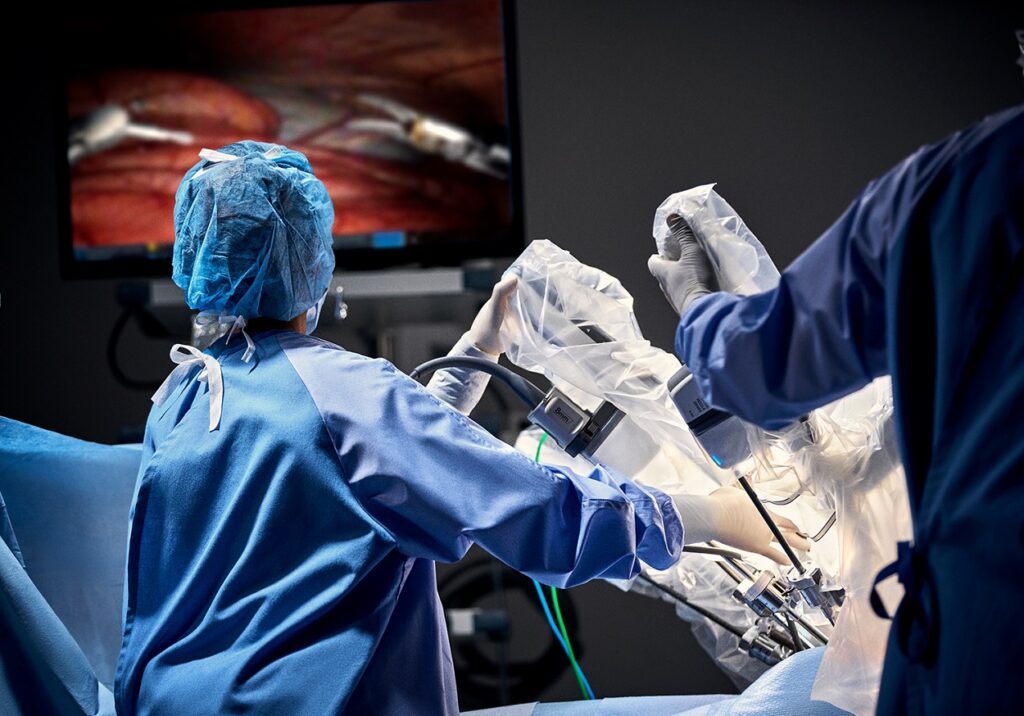
Quirónsalud Torrevieja Da Vinci Robotic Surgery. Credit: Quirónsalud.
On the occasion of World Prostate Cancer Day, specialists at Hospital Quirónsalud Torrevieja are highlighting radical prostatectomy as one of the most effective treatments for localised prostate cancer. This procedure involves the complete removal of the prostate gland and, in most cases, the seminal vesicles, with the aim of eliminating the tumour before it spreads to other parts of the body.
In recent years, the introduction of the Da Vinci robotic surgical system has represented a genuine breakthrough in this field, enabling surgeons to perform procedures with exceptional precision while achieving improved functional outcomes for patients.
“Radical prostatectomy is a curative treatment and is particularly indicated for patients with localised prostate cancer, when the disease remains confined to the prostate gland,” explains Dr Sven Petry, Consultant Urologist and specialist in Robotic Surgery at Hospital Quirónsalud Torrevieja.
The evolution towards minimally invasive surgery
Traditionally, this procedure was performed through open surgery, requiring a large incision and a longer recovery period. The introduction of laparoscopic surgery marked a significant advance, but it is robotic surgery that has taken surgical precision to a new level.
The Da Vinci system enables the surgeon to control a series of robotic arms from a console, reproducing their hand movements in real time while eliminating natural hand tremor and providing a high-definition three-dimensional view of the surgical field.
“Thanks to this technology, we are able to perform far more precise movements and achieve better preservation of the anatomical structures surrounding the prostate,” says Dr Petry.
Improved preservation of urinary continence and sexual function
One of the main concerns for patients undergoing radical prostatectomy is the potential impact on urinary continence and erectile function. The precision offered by the Da Vinci system facilitates the identification and preservation of the nerves and structures responsible for these functions, helping to improve functional recovery following surgery.
“One of the greatest benefits of robotic surgery is that it allows us to work with extraordinary precision in extremely delicate areas, promoting better functional preservation whenever the characteristics of the tumour make this possible,” highlights the urology specialist.
Reduced blood loss and faster recovery
Among the principal advantages of robot-assisted radical prostatectomy is the reduction in surgical trauma achieved through the use of small incisions. This translates into less post-operative pain, a lower risk of complications and a faster recovery.
In addition, reduced blood loss during surgery and shorter hospital stays enable many patients to regain their independence more quickly and return to their normal daily activities sooner.
“Patients often notice the difference within the first few days after surgery. Recovery is faster and the physical impact of the procedure is considerably lower than with traditional surgical techniques,” says Dr Petry.
Quirónsalud: Technology that makes a difference in patient care
Quirónsalud’s commitment to technological innovation is based on a healthcare model that places patient wellbeing above all else. By recognising technology as one of the healthcare professional’s greatest allies, the Group continually invests in the most advanced equipment to support early diagnosis and minimally invasive treatments.
This ongoing commitment to innovation helps consolidate a precision medicine approach that enhances patient safety, shortens recovery times and provides effective solutions to the challenges facing modern healthcare.
Robotic urological surgery video
Follow Euro Weekly News on Google News
Get breaking news from Spain, travel updates, and expat stories directly on your Google News feed.
Follow on Google NewsSign up for personalised news
Subscribe to our Euro Weekly News alerts to get the latest stories into your inbox!
By signing up, you will create a Euro Weekly News account if you don't already have one. Review our Privacy Policy for more information about our privacy practices.




Penny
Penny has been a writer and a key member of the editorial department at Euro Weekly News, Europe’s largest free English-language newspaper in Spain, for many years. Specialising in cultural commentary, community features, and regional lifestyle trends, Penny crafts engaging stories that matter to the expatriate community. From local events to lifestyle insights across the Costa del Sol and beyond, her work connects readers with the heartbeat of Spain.
Comments