Spain families are spending nearly €2.8 billion on private classes as parents fear children falling behind
By Harry Dennis • Updated: 26 Jun 2026 • 13:02 • 4 minutes read
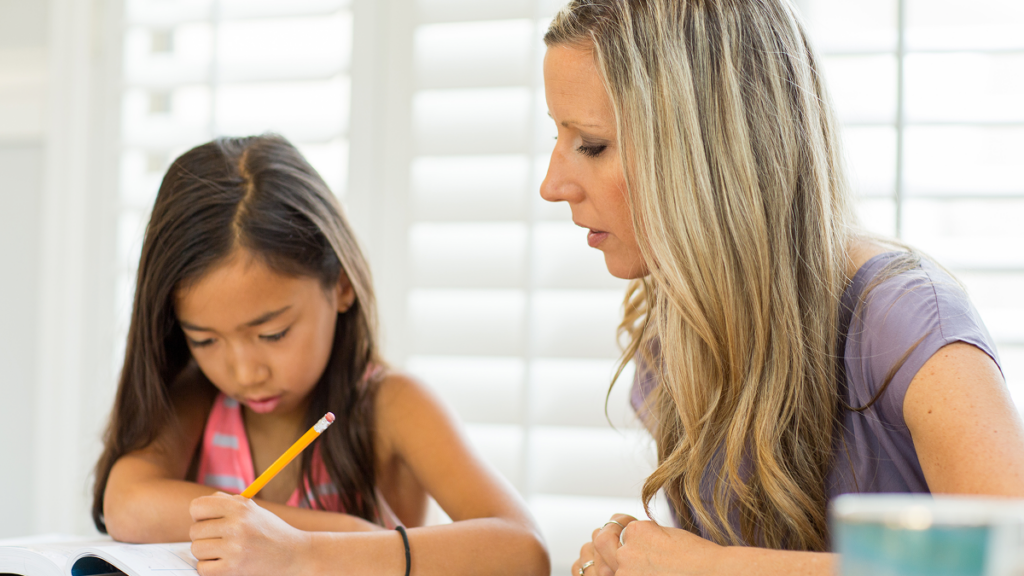
Private classes are becoming part of the school-year budget in Spain. Credit: Pixelheadphoto Digitalskillet / Shutterstock
For many parents in Spain, the worry is no longer only whether a child is failing, but whether they are quietly falling behind classmates already getting extra help. Private classes are becoming part of the school-year budget, with families spending nearly €2.8 billion on tutoring, languages and exam support.
How private classes are racking up school bills in Spain
Private tutoring in Spain is no longer just a last-minute solution for children struggling to pass maths or language exams.
A new report by EsadeEcPol, the public policy centre linked to Esade business school, says spending on private classes reached €2.782 billion in the 2023/24 academic year. That was 38 per cent higher than in 2019/20 once inflation is taken into account.
The report uses data from Spain’s National Statistics Institute (INE), whose household education spending survey shows how much families pay for formal education, school materials, extra activities and non-formal learning.
Even where school is publicly funded, ordinary families are feeling a growing pressure where keeping up now means paying for support outside the classroom.
Why children are getting tutoring before they are failing
The old idea of clases particulares, or private lessons, was: if a pupil was falling behind, the family then paid for help.
That still exists, especially in core subjects such as maths, Spanish language or English. But the EsadeEcPol report suggests the market has widened. Tutoring is increasingly used for prevention, exam positioning and distinction.
Prevention means stopping a child from falling behind and getting ahead. Positioning means preparing for key academic gateways, such as the Prueba de Acceso a la Universidad (PAU), widely known as Selectividad, Spain’s university entrance exam. Distinction means adding skills that help a child stand out, such as languages, music, coding or robotics.
This rise in private classes reflects the growing emotional pressure on parents and a wider anxiety about Spain’s increasingly competitive academic and job market. Many families now worry that “good enough” is no longer enough if classmates are already receiving extra help.
How language classes add pressure for Spanish and expat families
Language is one of the biggest drivers of the tutoring boom. The EsadeEcPol report says languages now absorb the largest share of spending in Spain’s so-called shadow education market.
That matters especially in regions with co-official languages, including Cataluña, País Vasco, Galicia, Comunitat Valenciana, Illes Balears and parts of Navarra.
For Spanish families, English remains one of the clearest examples of how private classes are sold as a future advantage, not only a school support tool. Parents may pay for language academies, conversation classes, exam preparation, summer courses or stays abroad because English is widely seen as a route to better studies, jobs and international opportunities.
For British and other international families living in Spain, the pressure often works in the opposite direction. A child arriving from the UK may need extra Spanish support simply to understand lessons, complete homework, make friends and feel confident in the classroom.
In bilingual regions, that adjustment can be even harder. Some pupils may be learning Spanish while also adapting to Catalan, Valencian, Basque or Galician, depending on the regional education model and the school’s language policy.
That makes language tutoring less of a luxury for many expat families and more of a practical bridge into daily life. The cost is not only academic. It can affect whether a child feels settled, whether parents can properly support homework, and whether a family feels confident choosing a local Spanish school over an international one.
Why the tutoring boom can widen the gap between families
The report says families across all income groups use private classes, but the highest-spending households remain the strongest force in the market.
That creates an awkward reality for parents on tighter budgets. When tutoring becomes common, families who cannot afford it may fear their children are competing on unequal terms later during examinations and competitive academic and job markets. .
The pressure may also fall earlier than many parents expect. EsadeEcPol found that the strongest growth was in Primaria, Spain’s primary education stage, rather than only in Bachillerato, Spain’s college equivalent, where exam pressure is most obvious.
How families can choose the right support before the new school year
Before impulsively signing a child up for private lessons, parents in Spain should be asking for a clear diagnosis of the problem: is the child struggling with subject knowledge, language comprehension, exam technique, confidence, organisation or attention?
A child who does not understand classroom language may need language reinforcement. A child who understands the material but panics in exams may need study skills. A pupil with a recognised learning need may be eligible for official support rather than only private lessons.
Spain also has public support schemes, including the PROA+ programme for educational guidance and reinforcement in vulnerable school settings, and state aid for pupils with specific educational support needs.
As private tutoring becomes part of the school-year budget for more and more households in Spain, the challenges families are now facing centre around planning support that fits the child, the timetable and the household finances. For some pupils, that may mean help with languages or exam preparation, and for others, it may solely mean a confidence boost before the new term begins.
Follow Euro Weekly News on Google News
Get breaking news from Spain, travel updates, and expat stories directly on your Google News feed.
Follow on Google NewsSign up for personalised news
Subscribe to our Euro Weekly News alerts to get the latest stories into your inbox!
By signing up, you will create a Euro Weekly News account if you don't already have one. Review our Privacy Policy for more information about our privacy practices.





Harry Dennis
Born in the UK and raised on the Cádiz coast, Harry brings his background in design, music, and photography to his writing for Euro Weekly News, sharing stories that celebrate culture and lifestyle across Spain and beyond.
Comments