Spain is ending Social Security letters for thousands – are you on the list?
By Farah Mokrani • Published: 26 Jun 2026 • 11:24 • 3 minutes read
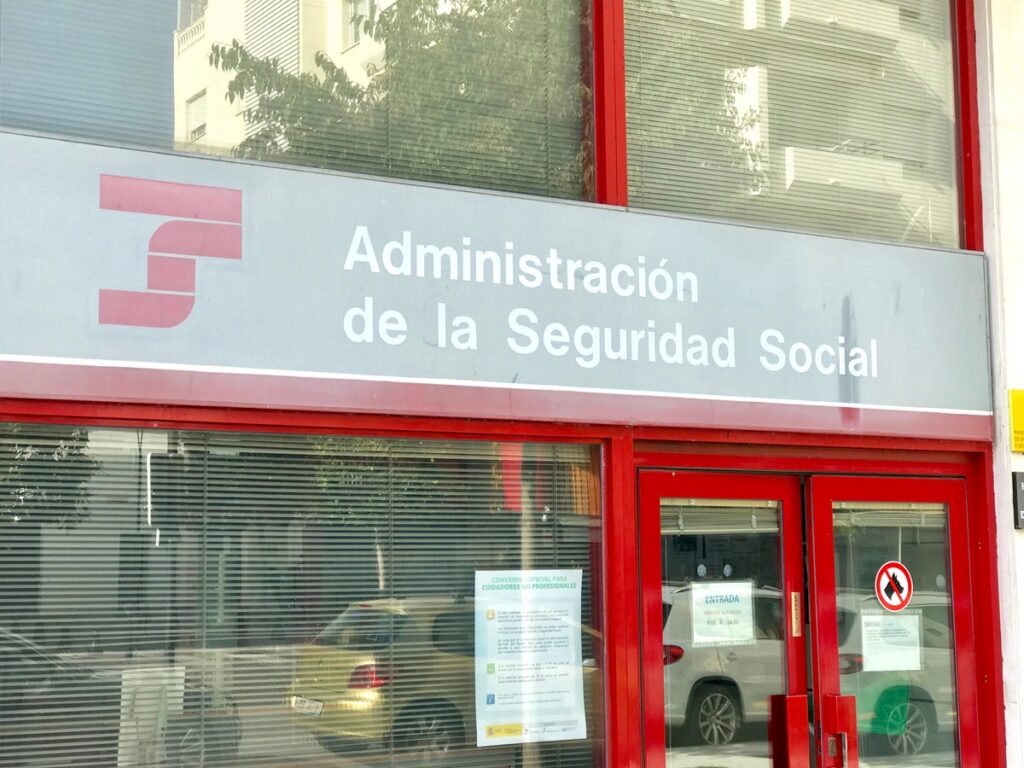
Spain's Social Security will stop sending paper letters to many workers from September. Credit : Viktoriyani, Shutterstock
If you are on sick leave, receiving maternity or paternity benefits, or claiming certain other Social Security payments in Spain, there is an important change coming your way. From September 1, many workers will no longer receive official letters through the post. Instead, notifications from Spain’s Social Security system will be sent electronically, meaning checking your online account could become just as important as checking your letterbox.
The change follows a new order published in Spain’s Official State Gazette (BOE) in June. While the government says the aim is to simplify communication and reflect the way most people already use technology, it also means thousands of people will need to get used to a different way of receiving important information about their benefits, medical leave and official procedures.
Missing one of these notifications could mean overlooking an appointment, a request for documents or a decision affecting your entitlement, so knowing whether the new rules apply to you is worth taking a few minutes to understand.
Who will stop receiving Social Security letters in Spain?
The changes are included in Order ISM/541/2026, which updates the notification rules introduced in 2020 and expands the list of people who must receive official communications electronically.
From September 1, digital notifications will become the standard for people who are applying for or receiving benefits linked to:
- Birth and childcare.
- Risk during pregnancy.
- Risk during breastfeeding.
- Temporary incapacity, better known as sick leave.
The same system will also be used when Social Security communicates decisions relating to permanent disability benefits or non disabling permanent injuries.
For many workers on sick leave, this marks a noticeable change. Until now, official decisions and communications often arrived by post. From September, those letters will disappear for most people covered by the new rules.
The government argues that the switch reflects everyday reality. In the order published in the BOE, it says people receiving maternity and related benefits are generally between the ages of 25 and 40 and already rely on digital services in their daily lives.
The same reasoning is applied to employees on sick leave. As active members of the workforce, they are considered likely to have access to electronic devices and the necessary knowledge to receive official communications online.
How will the new electronic notifications work?
The system does not mean that people will simply receive important decisions by email or text message.
Instead, Social Security will send an alert to the electronic contact details you have already provided, informing you that a new notification is available. The message will include a link allowing you to access the document through the Social Security Electronic Headquarters.
The official notification itself remains the document available on the online platform, not the alert that announces it.
For that reason, anyone covered by the new rules should make sure their contact details are up to date. If the administration cannot notify you that a document is waiting, there is a greater chance you could miss an important communication.
The change is part of Spain’s wider effort to move more public services online. Over the past few years, tax procedures, benefit applications and many dealings with public administrations have increasingly shifted towards digital platforms, and Social Security is continuing in the same direction.
That said, the government acknowledges that not everyone feels comfortable using online services.
Anyone needing help will still be able to visit a Social Security Information and Assistance Centre, where staff can assist people in accessing their electronic notifications and completing the necessary procedures through the official online portal.
When can Social Security still use paper notifications?
Although electronic communication will become the general rule for these groups, paper notifications are not disappearing completely.
The new regulation lists several situations where Social Security may still communicate using non electronic methods, even for people who would normally receive everything digitally.
One example is when someone visits a Social Security office voluntarily and asks to receive the notification in person during that appointment.
Paper delivery may also be used when a public employee considers direct hand delivery to be the most effective way of completing the administrative process.
Another exception covers situations where electronic notification would be too slow because the matter requires an immediate response.
Finally, if Social Security does not have the contact details needed to send an electronic alert, it can continue using traditional notification methods instead.
For everyone else, however, the familiar brown envelope could soon become a thing of the past.
From September, workers receiving maternity benefits, paternity benefits, pregnancy related payments or sick leave benefits will need to pay much closer attention to their digital notifications. While the government says the new system reflects the way most people already communicate, it also places more responsibility on individuals to keep track of official messages online.
For anyone who rarely logs into the Social Security portal, now may be the right time to start. From September, some of the most important letters you receive may never reach your front door.
Follow Euro Weekly News on Google News
Get breaking news from Spain, travel updates, and expat stories directly on your Google News feed.
Follow on Google NewsSign up for personalised news
Subscribe to our Euro Weekly News alerts to get the latest stories into your inbox!
By signing up, you will create a Euro Weekly News account if you don't already have one. Review our Privacy Policy for more information about our privacy practices.




Farah Mokrani
Farah is a journalist and content writer with over a decade of experience in both digital and print media. Originally from Tunisia and now based in Spain, she has covered current affairs, investigative reports, and long-form features for a range of international publications. At Euro Weekly News, Farah brings a global perspective to her reporting, contributing news and analysis informed by her editorial background and passion for clear, accurate storytelling.
Comments