After years of rising costs, bus travel in Spain is about to get much cheaper
By Molly Grace • Updated: 01 Jul 2026 • 0:45 • 3 minutes read
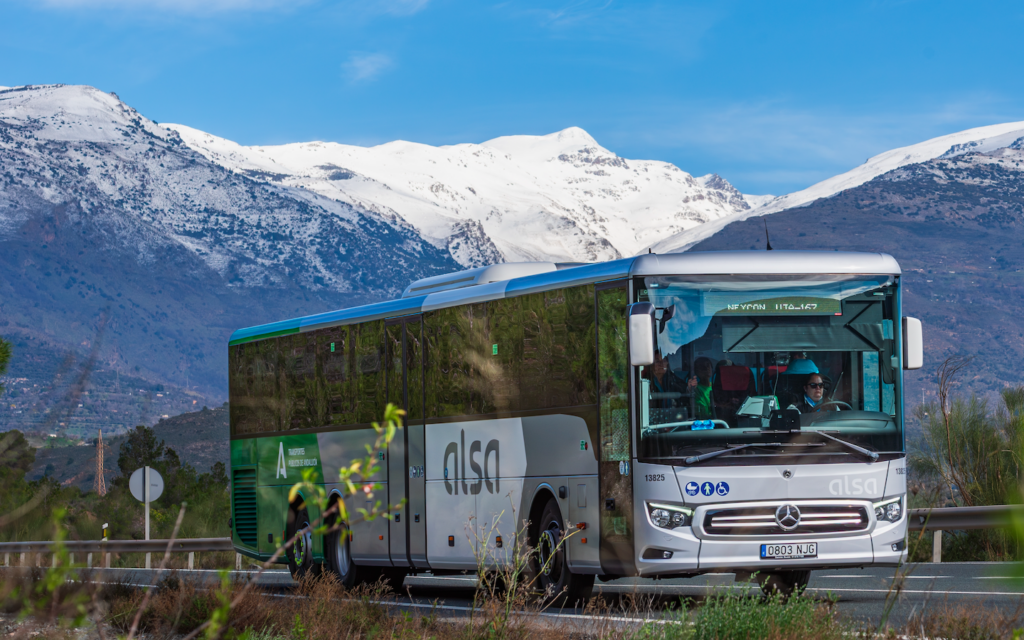
The redesigned network stretches across Spain. Photo credit: Miguel Perfectti/shutterstock
For millions of commuters and people who depend on buses for everyday life, getting from A to B isn’t optional. It’s how they get to work, attend hospital appointments, visit loved ones or travel between towns and cities. After years of rising household bills and expensive transport, there could finally be some welcome relief.
Long-distance bus fares across Spain are expected to fall by an average of 22 per cent, a move that could leave passengers with more money in their pockets every time they travel. For anyone who regularly relies on coach services, the savings could soon add up. While the cost of almost everything else has risen in recent years, paying less for essential journeys is the kind of good news many households have been waiting for.
Why passengers could soon pay less
The lower fares are part of the biggest redesign of Spain’s long-distance coach network in decades. The aim is simple: make travelling by bus cheaper, improve connections between towns and cities, and encourage more people to use public transport without reducing access to communities that depend on it.
Under the new network, average ticket prices are expected to fall by 22 per cent, while services will continue to reach 1,682 municipalities through 2,294 bus stops spread across the country. Around 31 million passengers use these long-distance services every year, meaning millions of journeys could become noticeably cheaper. For many people, the biggest change won’t be a new route or timetable. It’ll be seeing a lower price when booking their next journey.
The routes that could make travelling easier
The redesigned network stretches across Spain, linking some of the country’s busiest cities while continuing to serve hundreds of smaller communities. Among the key corridors included are:
Madrid–Málaga–Cádiz, Madrid–Albacete–Alicante, Valencia–Alicante–Murcia, and Murcia–Almería–Granada–Seville, making travel between the Costa del Sol, Costa Blanca, Costa Cálida and the rest of Spain more direct. Longer routes connecting cities such as Santiago de Compostela, Bilbao and Barcelona also form part of the overhaul.
Rather than reducing services, the focus is on creating more straightforward journeys, cutting unnecessary detours and making it easier for passengers to travel between regions.
Small savings can make a big difference
A 22 per cent reduction may not sound like much at first glance, but for people who travel regularly, the savings soon begin to add up. Think about the university student travelling home most weekends, the commuter making the same journey every week, or grandparents catching a coach to spend time with their grandchildren. Instead of paying today’s fares every time they travel, those journeys could soon cost noticeably less.
At a time when families continue to look for ways to stretch their household budgets, paying less for something they already rely on is a welcome change. Unlike cutting back on groceries or cancelling subscriptions, this is a saving that doesn’t ask people to give anything up.
Communities will continue to stay connected
Whenever transport networks are redesigned, one of the biggest fears is that smaller towns will lose services. Instead, almost 2,300 stops will remain part of the network, helping to ensure communities across Spain continue to have access to long-distance coach services while benefiting from quicker and more efficient connections.
For many rural areas where buses are the only realistic form of public transport, those links are about much more than convenience. They provide access to healthcare, education, employment and family, making them an essential part of everyday life.
What can we expect next?
Before cheaper fares become a reality, the plans will go through a public consultation before the new operating contracts are awarded and introduced in stages.
That means passengers won’t notice any immediate changes, but the direction is clear. Spain’s long-distance coach network is being reshaped with one goal in mind: making travel more affordable without sacrificing the services millions of people depend on.
For anyone who catches a bus every week, this is about far more than transport policy. It’s about keeping more money in their pocket at a time when every euro counts. When the weekly shop, electricity bill and everyday essentials all cost more than they once did, even saving a few euros on every journey can make a difference. Sometimes, the smallest changes are the ones people feel the most.
Follow Euro Weekly News on Google News
Get breaking news from Spain, travel updates, and expat stories directly on your Google News feed.
Follow on Google NewsSign up for personalised news
Subscribe to our Euro Weekly News alerts to get the latest stories into your inbox!
By signing up, you will create a Euro Weekly News account if you don't already have one. Review our Privacy Policy for more information about our privacy practices.




Molly Grace
Molly is a British journalist and author who has lived in Spain for over 25 years. With a background in animal welfare, equestrian science, and veterinary nursing, she brings curiosity, humour, and a sharp investigative eye to her work. At Euro Weekly News, Molly explores the intersections of nature, culture, and community - drawing on her deep local knowledge and passion for stories that reflect life in Spain from the ground up.
Comments