Spain property owners could see holiday rental plans blocked by one overlooked rule
By Farah Mokrani • Updated: 10 Jul 2026 • 12:33 • 3 minutes read
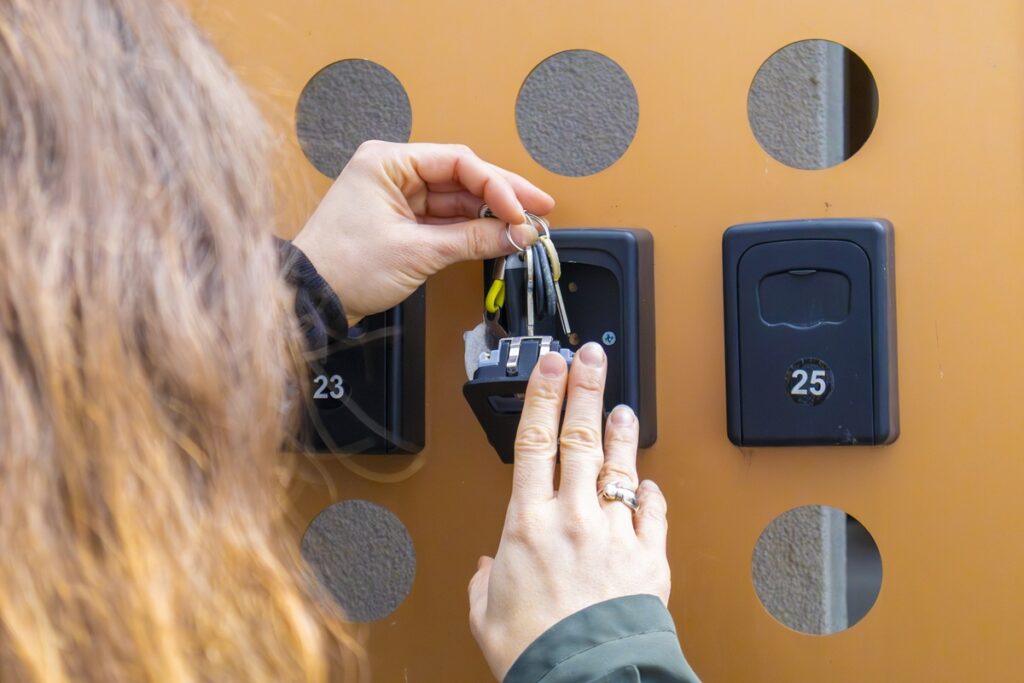
Foreign property owners in Spain should check their community statutes before planning a holiday rental. Credit : JairoMZ, Shutterstock
For many foreign property owners in Spain, turning an apartment into a holiday rental can seem like a straightforward process. Get the right paperwork, apply for the registration number and advertise the property online. But one detail that often goes unnoticed could stop those plans before they even begin.
Recent property registry rulings have highlighted that the rules written into an apartment community’s statutes may prevent a rental registration number from being granted, even if an owner has already taken other administrative steps.
The overlooked rule property owners need to check
When buying an apartment in Spain, many owners focus on the purchase contract, taxes and regional requirements. The community statutes are often signed, filed away and forgotten.
That can become a problem if you’re planning to rent the property out.
Apartment communities can include registered statutes setting out how homes within the development may be used. Some are straightforward, while others contain wording designed to preserve the residential character of the building or restrict commercial activities.
In one of the latest registry cases, a property owner applied for a short-term rental registration number. The application ran into difficulties because the registered community statutes stated that the development was intended to maintain its residential character and expressly prohibited offices or industrial activities within the homes. The property registry concluded that those provisions were incompatible with tourist short-term rentals, meaning the registration could not proceed.
It’s easy to think that once you’ve filled in the forms, getting a rental registration number is just a matter of time. Recent cases show that isn’t always the case.
Why the rental registration number matters
Spain now requires certain short-term accommodation providers to obtain a unique rental registration number before offering their property through online booking platforms.
The registration system is designed to ensure that properties meet the relevant legal requirements before they appear on holiday rental websites. As part of that process, the Property Registry may consider whether there are registered restrictions affecting the property’s intended use.
For most owners, the registration number is therefore much more than an administrative reference. Without it, advertising eligible short-term accommodation on many online platforms may not be possible.
That is why any restriction affecting the application can have significant practical consequences.
Check your community statutes before making rental plans
Before spending money on furnishing a property, hiring a management company or creating listings on booking websites, it’s worth checking exactly what your apartment community’s statutes say.
Pay particular attention to any wording referring to:
- tourist rentals
- holiday accommodation
- short-term lets
- commercial or business activity
- preserving residential use
- restrictions on changes of use.
Some statutes are decades old and may not mention holiday rentals directly. Instead, they may contain broader clauses about maintaining residential use or limiting commercial activities, and these can become relevant when a registration application is assessed.
If the wording is unclear, don’t rely on assumptions.
Speaking to a solicitor specialising in Spanish property law or an experienced property professional before advertising your home could save considerable time, expense and frustration later.
Why foreign owners could easily miss this
Many overseas owners naturally concentrate on regional tourist licences, local regulations and the newer registration requirements.
The community statutes, however, are often buried in the paperwork received when the property was purchased years earlier. Unless someone specifically checks those documents, it’s easy to overlook restrictions that may become important during the registration process.
The recent registry rulings are not introducing a blanket national ban on holiday rentals, nor do they mean every apartment community can automatically stop owners from renting their properties.
Instead, they serve as a reminder that existing registered community rules can play an important role when a short-term rental registration is being assessed.
For anyone considering entering the holiday rental market, reviewing those documents before making plans could avoid an unpleasant surprise.
Questions property owners are asking
Can my apartment community stop a holiday rental?
It depends. Some communities have registered statutes that may restrict or prohibit certain types of short-term rental use. Each case depends on the wording of those registered rules.
Does getting a registration number mean my rental is legal?
The registration number is an important requirement for eligible short-term rentals, but owners must still comply with all other applicable national, regional and local rules.
Where can I check my community statutes?
They are usually included with your purchase documents. Your property administrator, solicitor or the Property Registry may also be able to help you obtain a copy.
What should I do before advertising my property?
Check your community statutes first. If there’s any uncertainty about whether the wording affects holiday rentals or short-term lets, seek professional legal or property advice before investing money or listing the property online.
Follow Euro Weekly News on Google News
Get breaking news from Spain, travel updates, and expat stories directly on your Google News feed.
Follow on Google NewsSign up for personalised news
Subscribe to our Euro Weekly News alerts to get the latest stories into your inbox!
By signing up, you will create a Euro Weekly News account if you don't already have one. Review our Privacy Policy for more information about our privacy practices.





Farah Mokrani
Farah is a journalist and content writer with over a decade of experience in both digital and print media. Originally from Tunisia and now based in Spain, she has covered current affairs, investigative reports, and long-form features for a range of international publications. At Euro Weekly News, Farah brings a global perspective to her reporting, contributing news and analysis informed by her editorial background and passion for clear, accurate storytelling.
Comments