Could Spain scrap food expiry labels? The supermarket change that could save tonnes of food
By Molly Grace • Published: 14 Jul 2026 • 17:37 • 3 minutes read
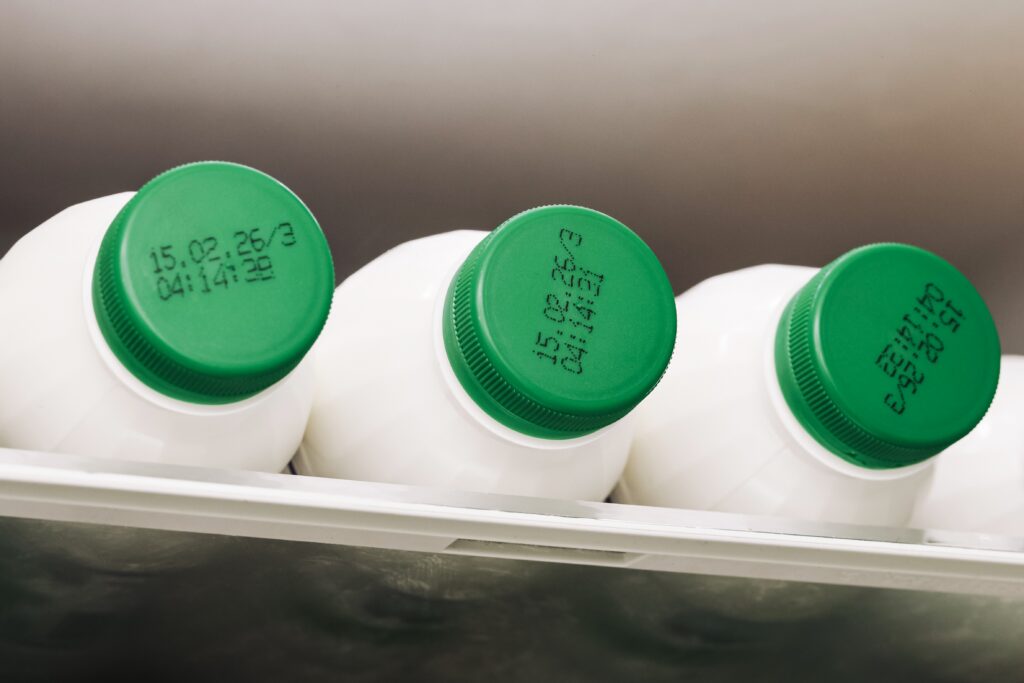
Spain has made tackling food waste a political priority. Photo credit: Pawel Michalowski/Shutterstock
Would you eat a yoghurt a day after its “best before” date? What about a packet of pasta that’s been sitting in the cupboard for a month beyond the date printed on the packet? For millions of people across Europe, the answer is a firm no. Every year, vast amounts of perfectly edible food end up in the bin because shoppers simply don’t trust the labels on the packaging.
Now, a bold move in the United States has reignited a debate that could eventually reach Europe. Could simplifying food expiry labels help slash food waste, save households money and even reduce carbon emissions? With food prices still putting pressure on family budgets across Spain and the rest of Europe, it’s a question that’s becoming harder to ignore.
Why food expiry labels confuse so many shoppers
For decades, supermarkets have used a mixture of phrases including “best before”, “use by” and, in some countries, “sell by”. While they may seem interchangeable, they mean very different things. A “use by” date is about food safety. It applies to highly perishable foods such as fresh meat, fish and ready meals that should not be eaten after the stated date because harmful bacteria can develop.
A “best before” date is completely different. It refers to quality rather than safety. In many cases, the food remains perfectly safe to eat after that date if it has been stored correctly, although its flavour, texture or appearance may not be quite as good. Despite years of public information campaigns, confusion remains widespread. Many consumers continue to throw away food the moment the date passes, regardless of whether it’s still perfectly edible.
Could Europe follow with simpler food expiry labels?
The debate has gathered fresh momentum after California became the first US state to standardise food date labels, replacing multiple phrases with just two clear terms: “Best if Used By” for quality and “Use By“ for food safety. Supporters believe the simpler wording will help shoppers understand the difference at a glance, reducing unnecessary waste while making food safety advice clearer. Could Europe eventually do the same?
The European Union already regulates food date labelling, requiring foods to carry either a “best before” or “use by” date depending on the product. However, consumer organisations have long argued that many shoppers still misunderstand the labels, leading to millions of tonnes of edible food being discarded every year. Any changes would have to be agreed at EU level, but with governments under increasing pressure to tackle food waste and reduce emissions, the conversation is unlikely to disappear any time soon.
Spain is already trying to cut food waste
Spain has made tackling food waste a political priority, the country’s Law on the Prevention of Food Loss and Waste aims to reduce waste throughout the food chain by encouraging supermarkets, restaurants and food businesses to donate surplus food and improve how edible products are managed instead of sending them to landfill.
Yet households remain one of the biggest sources of food waste, according to the European Commission, around 59 million tonnes of food waste are generated across the European Union every year, with households responsible for more than half of it. Besides wasting food, it also squanders the water, energy and resources used to produce, transport and package it. With grocery bills remaining high, every unnecessary item thrown away is money that families simply can’t afford to lose.
Which foods are often still safe to eat?
Understanding food expiry labels could make a significant difference to both household budgets and food waste. Foods carrying a “use by” date should never be eaten after that date because of the potential health risk. However, many foods labelled “best before” remain perfectly safe long afterwards if they’ve been stored correctly and the packaging hasn’t been damaged.
Products such as dried pasta, rice, biscuits, cereals, coffee, chocolate and canned foods can often be consumed well beyond their best-before date. Even some hard cheeses and unopened yoghurts may still be safe after careful inspection, although consumers should always use common sense and never eat food that smells, tastes or looks unusual. Knowing the difference between quality and safety could prevent countless products from ending up in the rubbish unnecessarily.
A simple change that could have a big impact
Changing food expiry labels won’t solve Europe’s food waste problem overnight. But supporters argue it could be one of the simplest and cheapest ways to help consumers make better decisions, reduce the amount of edible food thrown away and save households money at a time when every euro counts.
California has taken the first step, but the debate now stretches far beyond one US state. As Europe looks for new ways to cut waste, lower emissions and make life more affordable for consumers, one question is becoming increasingly difficult to ignore: if clearer food expiry labels can help keep millions of tonnes of food out of the bin, should Brussels be the next to act?
Follow Euro Weekly News on Google News
Get breaking news from Spain, travel updates, and expat stories directly on your Google News feed.
Follow on Google NewsSign up for personalised news
Subscribe to our Euro Weekly News alerts to get the latest stories into your inbox!
By signing up, you will create a Euro Weekly News account if you don't already have one. Review our Privacy Policy for more information about our privacy practices.




Molly Grace
Molly is a British journalist and author who has lived in Spain for over 25 years. With a background in animal welfare, equestrian science, and veterinary nursing, she brings curiosity, humour, and a sharp investigative eye to her work. At Euro Weekly News, Molly explores the intersections of nature, culture, and community - drawing on her deep local knowledge and passion for stories that reflect life in Spain from the ground up.
Comments