Feeling lost at the meat counter? How to find your favourite British meat cut equivalents in Spain
By Lucy Ramnought • Published: 16 Jul 2026 • 10:01 • 3 minutes read
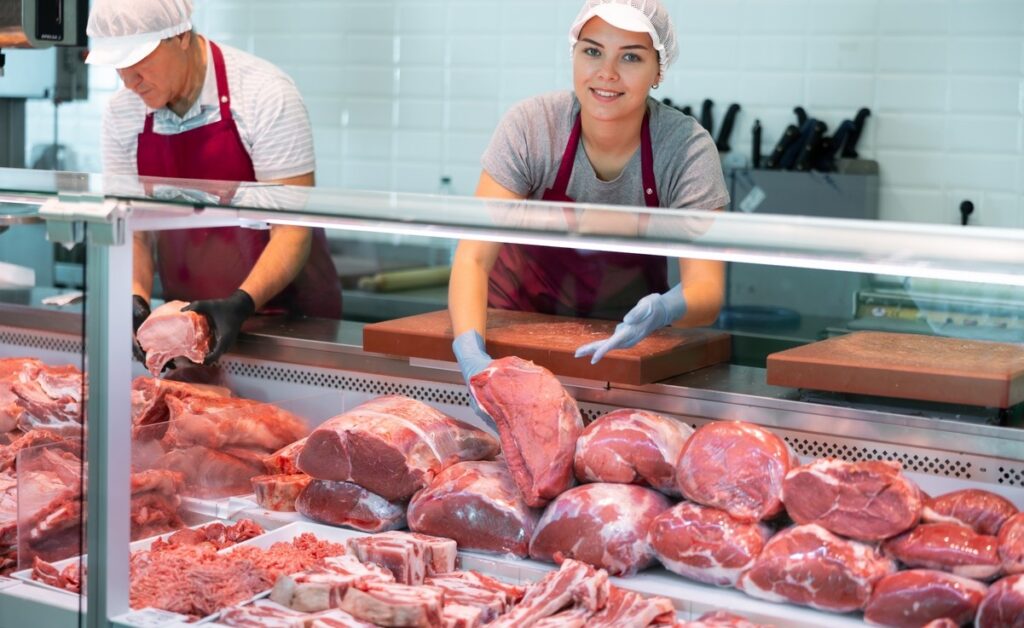
Finding your ideal cut Credit: BearFotos/shutterstock
If you’ve ever tried to translate your favourite piece of meat directly at a Spanish supermarket or butchers, you’ve probably ended up with the wrong cut for your barbecue or roast dinner. Because butchers cut differently, finding your home style favourites can feel like a bit of a puzzle.
Understanding the cut Spain vs UK
The first thing to keep in mind is that Spanish and British butchers approach a carcass quite differently, because butchery is as much an art form as a science, the two countries divide beef, pork, and lamb along different lines. This means that a “direct translation” rarely exists. Instead, it is much more helpful to look for close culinary equivalents, cuts that behave and cook in a very similar way.
Spain is a country of rich regional diversity, and this extends to the carniceria (butcher). Terminology can vary massively between the north and the south, or even from one local village to the next. Rather than focusing on exact names, you will often get the best results by, if you can, telling your butcher what you plan to cook, whether it’s a slow-braised stew, a quick-fry steak, or a slow oven roast.
Finding the closest beef equivalents
Beef is where you will notice the biggest differences in cutting styles. If you are hunting for a juicy ribeye steak, your best bet is to ask for lomo alto, which is often served on the bone as a magnificent chuleton, a thick-cut, bone-in rib steak. For those who prefer a sirloin, lomo bajo is usually the closest match, while the prized, melt-in-the-mouth fillet steak is known as solomillo.
If you like to cook a classic Sunday roast in the heat, the translation gets a little more nuanced. Leg muscles are sliced differently here, but tapa makes a very reliable substitute for topside, with contra behaving similarly to silverside. If you want something akin to top rump, look for babilla, and cadera is the closest equivalent to a rump joint.
For comfort food and slow cooking, Spain has some incredible options. Ask for aguja if you want a tender chuck roast, or pecho for brisket. Shin of beef is known as jarrete or morcillo, which is perfect for stews. If you fancy a delicious skirt steak for the grill, ask for entraña or falda.
Navigating the pork counter
Pork is king in Spain, and you will find an incredible variety of exceptionally high-quality cuts. The classic British pork loin corresponds closely to lomo, while the lean pork tenderloin is solomillo de cerdo.
If you are planning a feast of pulled pork or a slow-roasted shoulder joint, you will want to ask for paletilla or espaldilla. For those crispy Sunday crackling cravings, pork belly is known as panceta , and ribs are simply costillas.
Selecting lamb and poultry
Lamb has always been a firm favourite for family celebrations, though it is worth noting that Spanish lamb is often sold much younger and smaller than the grass-fed lamb typical of the UK. For a show-stopping roast, the leg of lamb is pierna de cordero, but many locals actually prefer the shoulder, known as paletilla, which is prized for its tenderness. Lamb chops are chuletas, the rack is costillar, and the neck is cuello. If you are looking for lamb shanks to slow-braise, ask your butcher for jarrete de cordero.
Fortunately, chicken is the simplest meat of all to buy. A standard breast is pechuga, wings are usually alas, and a whole bird is pollo entero. When buying thighs, you might see them labelled generally as muslos, though some butchers will split them into contramuslos (the upper thigh) and jamoncitos or muslitos (the drumsticks).
Tips for success at the meat counter
The best tool in your culinary kit is a friendly relationship with your local butcher where you can, most take massive pride in their work and are usually more than happy to prep meat exactly to your specifications. Whether you want your steaks cut extra thick or a joint deboned and tied.
By embracing these close equivalents and remembering that things can differ depending on where you are in Spain, you will find that shopping at the Spanish meat counter becomes less of a head scratcher. This leaves you with more time to pour a glass of wine and enjoy the sunshine before your meat feast, whatever it may be.
Follow Euro Weekly News on Google News
Get breaking news from Spain, travel updates, and expat stories directly on your Google News feed.
Follow on Google NewsSign up for personalised news
Subscribe to our Euro Weekly News alerts to get the latest stories into your inbox!
By signing up, you will create a Euro Weekly News account if you don't already have one. Review our Privacy Policy for more information about our privacy practices.


Lucy Ramnought
Lucy Ramnought is a local news writer and mother of 4 from the UK who has lived in the Costa Del Sol for just over 4 years. With a background in content writing and social media for various companies, and with vast experience in PA and project management, Lucy is committed to producing accurate, engaging and reliable stories to her work at Euro Weekly News.
Comments