Expensive pet travel certificates could be scrapped as new UK-EU rules take shape
By Molly Grace • Published: 26 Nov 2026 • 22:32 • 3 minutes read
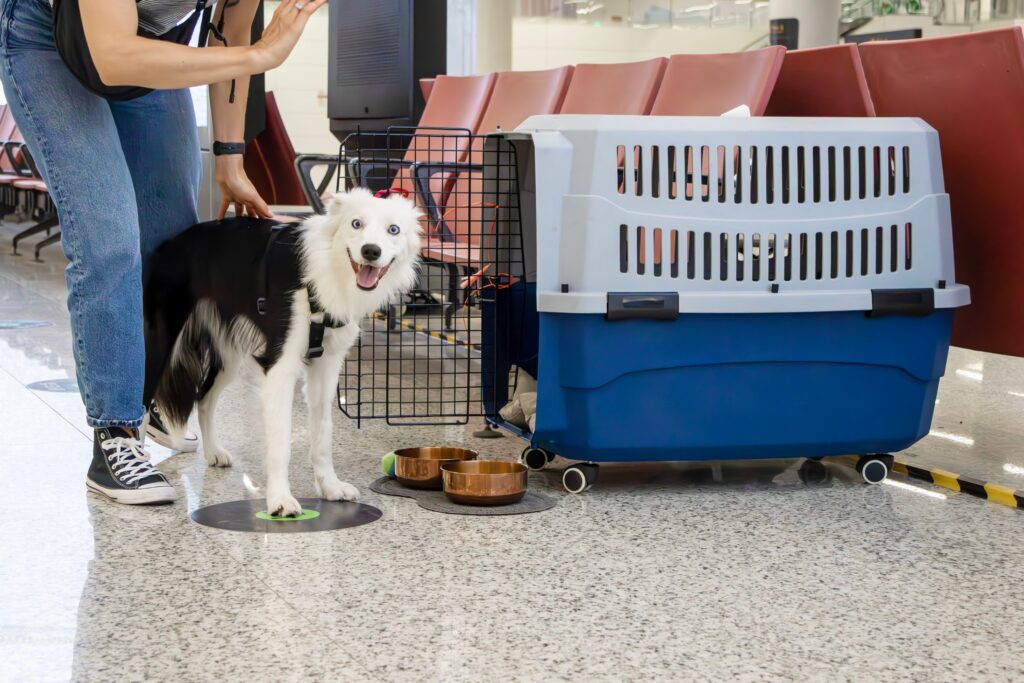
Eligible owners will be able to obtain a multi-use pet passport instead. Photo credit: yar-andy/Shutterstock
Anyone planning to move to Spain with a dog or cat, or regularly travelling between Britain and the continent with a pet, could soon face a smaller bill at the vet. From 1 March 2028, British residents will be able to use a multi-use pet passport for trips to Spain and other EU countries, ending the need to buy a new Animal Health Certificate for every journey.
The change is part of a new UK-EU agreement on animal and plant health rules. It will help people who split their time between Britain and Spain, or regularly holiday in other European countries.
What will change for pet owners?
Since Brexit, people living in Great Britain have generally needed an Animal Health Certificate (AHC) each time they take a dog, cat or ferret into the EU. The document must be issued by an official vet within 10 days of the animal entering the EU.
The current certificate has a short window for entering the EU: it must be issued no more than 10 days before arrival. Once the pet has entered, it can be used for further travel within the EU and for returning to Great Britain for up to six months, provided the rabies vaccination remains valid. But it is still a single-use document for a new trip from Britain. Depending on the veterinary practice and location, an AHC currently costs between £90 and £250. Several trips a year can therefore mean hundreds of pounds in certificate fees alone.
Under the new arrangements, eligible owners will be able to obtain a multi-use pet passport instead. It will cover repeated travel to EU countries, removing the need to arrange and pay for a fresh AHC before every separate trip. It will cover dogs, cats, ferrets and assistance dogs, reducing repeated veterinary appointments as well as paperwork.
Spain, France and Portugal trips
For people considering a move to Spain, it could simplify trips back to visit family. It may also help those who keep homes in both countries and travel between them regularly. The passport will cover travel across the EU, including France, Portugal, Germany and the Netherlands.
There is an important distinction for people relocating permanently. The new scheme is designed for pet owners resident in Great Britain travelling to the EU. People who move their main home to Spain may fall under the EU pet passport rules as residents there, rather than relying on the new British scheme. The Government has yet to publish the detailed application process.
Horse owners will also benefit from separate changes
The agreement also includes new arrangements for horses and other equines, which could make a considerable difference to people who compete, breed or keep horses in Britain and Spain. At present, taking a horse from Great Britain to an EU country involves veterinary certification and health checks, with Export Health Certificates potentially costing up to £200 per journey.
The new arrangements are intended to replace these with Intra-Trade Animal Health Certificates (ITAHCs) for eligible movements, reducing duplicated paperwork and the costs associated with repeated journeys. This could benefit British riders competing in Spain, Spanish-based competitors travelling to Britain, breeders and equestrian businesses transporting horses between countries.
It may also make it easier for owners who move horses between the UK and countries such as France, Portugal, Germany and the Netherlands. The changes will also bring new requirements for equine premises, including registration, identification, movement records and biosecurity. This means yards, riding schools, studs and other establishments may need to prepare for updated responsibilities.
What happens before 2028?
Nothing changes immediately. The new passports cannot be issued yet, and the Government says further information about how to apply will be published in 2027. Until the scheme starts on 1 March 2028, people travelling from Great Britain to an EU country must continue to obtain an Animal Health Certificate. Owners will still need to meet health requirements, including microchipping and a valid rabies vaccination. A pet that needs its first rabies vaccination may also have to wait before it can travel.
The rules follow changes introduced in April 2026, when British residents lost the right to use EU pet passports to enter the EU, even if they had a holiday home there. For anyone weighing up a move to Spain with a four-legged family member, or already making regular journeys across the Channel, the return of multi-use passports is a welcome change. It will not remove every travel requirement, but it should mean one less expensive veterinary bill every time they set off.
Follow Euro Weekly News on Google News
Get breaking news from Spain, travel updates, and expat stories directly on your Google News feed.
Follow on Google NewsSign up for personalised news
Subscribe to our Euro Weekly News alerts to get the latest stories into your inbox!
By signing up, you will create a Euro Weekly News account if you don't already have one. Review our Privacy Policy for more information about our privacy practices.




Molly Grace
Molly is a British journalist and author who has lived in Spain for over 25 years. With a background in animal welfare, equestrian science, and veterinary nursing, she brings curiosity, humour, and a sharp investigative eye to her work. At Euro Weekly News, Molly explores the intersections of nature, culture, and community - drawing on her deep local knowledge and passion for stories that reflect life in Spain from the ground up.
Comments