The 3-second ‘tug test’ that proves your scorched Spanish lawn isn’t actually dead
By Lucy Ramnought • Published: 17 Jul 2026 • 14:53 • 2 minutes read
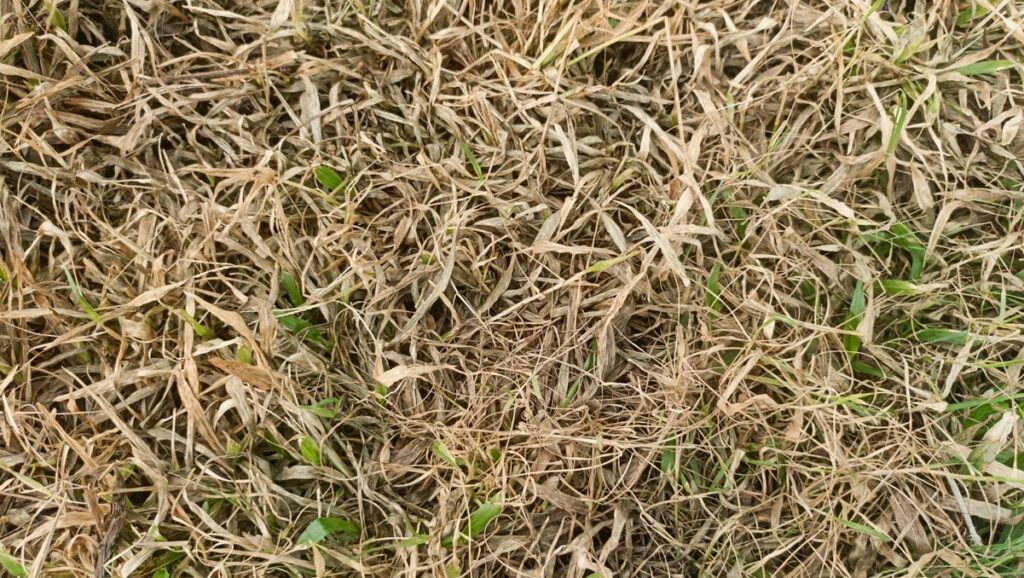
Check if your grass is dead Credit:Imam Pasradi/shutterstock
As Spain’s brutal heat leaves gardens looking like a sea of straw, some desperate homeowners are reaching for the hose or even worse, a shovel. But before you write off your parched patio view, leading turf experts say that crispy brown grass might just be sleeping. Here is the exact way to test if your lawn is salvageable, and the critical watering mistake that could accidentally kill it for good.
Why grass turns brown in extreme heat
Persistent high temperatures and a lack of rainfall push many grass varieties into a survival mode known as dormancy. Blades lose their colour to conserve moisture while roots stay alive underground, waiting for cooler, wetter conditions. Once decent rain or proper watering arrives, a lawn typically bounces back to its usual green.
Dormancy has its limits however, prolonged drought without any moisture can eventually cause permanent root damage, so knowing how to tell a resting lawn apart from a dying one really matters. Species and soil type both affect how long grass can hold out before that tipping point is reached.
To find out where your lawn stands, use the simple “tug test.” Grab a handful of the brown grass and pull gently. If it resists, the roots are alive and dormant. If it pulls out effortlessly with no resistance, the root system has likely died.
A simple way to check soil moisture
Pushing a finger roughly five centimetres into the soil reveals whether it still holds any moisture. Bone-dry earth is a sign that some watering is needed to protect the roots underneath.
How much water does a lawn actually need?
Gardening specialists say heavy watering isn’t necessary during a drought. Around 6 to 13 millimetres per week is usually enough to keep roots ticking over without encouraging fresh growth that demands even more water. Full, lush green isn’t the goal during a heatwave, survival until temperatures drop is.
Mistakes to avoid during a heatwave and optimal watering
Mowing should be reduced or paused while grass is under water stress, since cutting it too short speeds up moisture loss and slows recovery. Walking across parched patches is best avoided too, as brittle blades and weakened roots damage easily underfoot. Fertilisers and herbicides should wait until growth resumes, since using them during extreme heat only adds to the plant’s stress. Watering during the hottest hours wastes water through rapid evaporation before it reaches the roots. Very early morning is the best time, making the most of every drop and allowing the grass to dry during the day.
Not every brown patch is down to heat
Drought is usually to blame, but irregular yellow or brown patches, particularly in warm, humid spells, can sometimes signal a fungal disease called Rhizoctonia solani, which commonly affects perennial ryegrass and tall fescue. This tends to strike when daytime temperatures exceed roughly 27°C and night-time readings stay above 20°C with high humidity.
First signs are usually small yellow spots that spread quickly and can cover several square metres, weakening or even killing the grass if left untreated. Identifying the cause correctly before treating it matters, since overwatering, especially during the late evening, can actually help the fungus spread further rather than solve the problem.
Check local water restriction rules to avoid fines
Water restrictions vary from one area to the next, and some town halls introduce garden-watering bans with little warning during a heatwave. Checking your local council’s website or social media before setting up a watering routine is always worth the extra few minutes, as fines for ignoring an active ban typically range from €750 to €3,000.
Follow Euro Weekly News on Google News
Get breaking news from Spain, travel updates, and expat stories directly on your Google News feed.
Follow on Google NewsSign up for personalised news
Subscribe to our Euro Weekly News alerts to get the latest stories into your inbox!
By signing up, you will create a Euro Weekly News account if you don't already have one. Review our Privacy Policy for more information about our privacy practices.





Lucy Ramnought
Lucy Ramnought is a local news writer and mother of 4 from the UK who has lived in the Costa Del Sol for just over 4 years. With a background in content writing and social media for various companies, and with vast experience in PA and project management, Lucy is committed to producing accurate, engaging and reliable stories to her work at Euro Weekly News.
Comments