Johnson & Johnson offers $5.5 billion to end baby powder cancer lawsuits
By Molly Grace • Published: 29 Jul 2026 • 22:39 • 3 minutes read
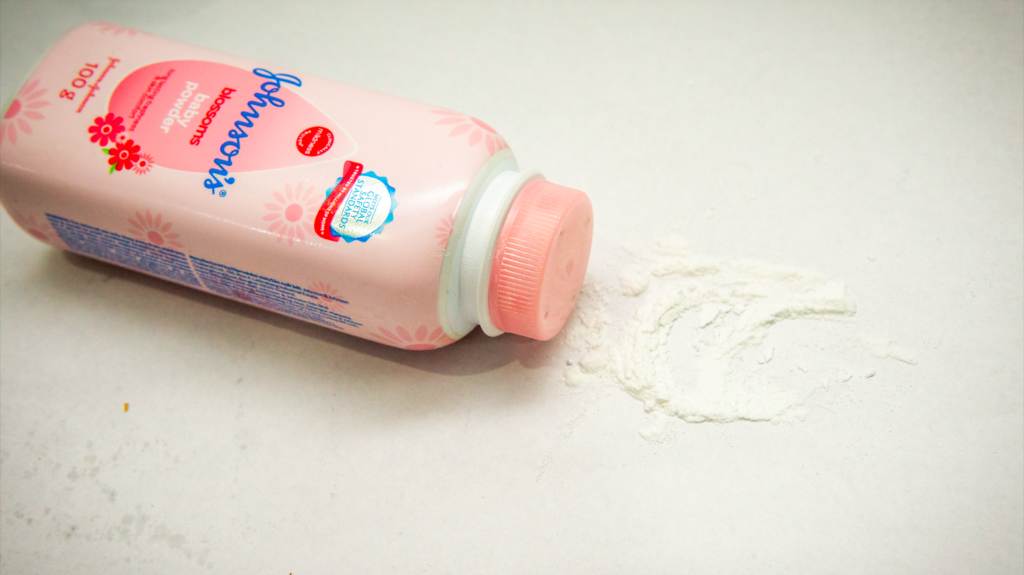
Johnson & Johnson have consistently rejected the allegations. Photo credit: Aiman Khair/shutterstock
For generations, it was one of the most recognisable products in bathrooms and nurseries around the world. Johnson’s Baby Powder became a household staple, trusted by parents, recommended by families and used by millions of women long after childhood. That familiar white bottle represented comfort, care and safety.
Now, one of the world’s most iconic consumer products is once again making headlines, after Johnson & Johnson announced it is offering US$5.5 billion (around €4.7 billion) to settle tens of thousands of lawsuits linking its talc-based products to ovarian cancer. The proposed agreement could finally bring an end to one of the biggest product liability battles in history. But while billions of dollars are on the table, one thing has not changed: Johnson & Johnson continues to insist its products were safe.
A settlement without admitting blame
The agreement aims to resolve around 76,000 remaining lawsuits filed by women who claim years of using the company’s talc-based baby powder caused them to develop ovarian cancer. The settlement is still subject to approval and requires at least 95 per cent of eligible claimants to agree before it can move forward. Despite the enormous financial offer, Johnson & Johnson has not admitted liability.
Instead, the company says it is choosing to settle because continuing years of legal battles is costly and creates uncertainty for everyone involved. It maintains that decades of scientific research support the safety of its talc products and disputes claims that they cause ovarian cancer. It is a position that has remained unchanged throughout more than a decade of courtroom battles.
Why did one of the world’s biggest brands end up here?
The controversy centres on talc-based baby powder sold for decades across the world. Thousands of women alleged that regular use of the product over many years contributed to ovarian cancer. Some lawsuits also claimed certain talc products were contaminated with asbestos, a known carcinogen.
Johnson & Johnson has consistently rejected those allegations, pointing to studies it says found no asbestos in its cosmetic talc and maintaining that scientific evidence does not support a causal link between its products and ovarian cancer. The legal dispute has produced mixed verdicts over the years, with some juries awarding substantial compensation while other claims have been dismissed or overturned.
The baby powder disappeared long before the lawsuits did
Although the legal fight continues, the product itself has already changed. In 2022, Johnson & Johnson announced it would stop selling talc-based baby powder worldwide, replacing it with a cornstarch-based formula.
The company insisted the decision was driven by changing consumer habits and what it described as “misinformation” surrounding talc, rather than concerns over the product’s safety. For many consumers, however, the move raised an obvious question. If the product was safe, why stop selling it? That question continues to fuel debate today.
Millions grew up with it
Unlike many corporate legal battles, this one feels personal. Millions of people across Europe, including in Spain and the UK, remember Johnson’s Baby Powder as part of everyday family life. Parents used it on babies, adults used it as a cosmetic product and many households kept a bottle in the bathroom for decades.
That familiarity is one reason the lawsuits have attracted such widespread attention. The dispute is not about an unfamiliar medicine or specialist treatment. It is about a product people trusted for generations.
One of the biggest settlements in pharmaceutical history
If approved, the agreement would rank among the largest product liability settlements ever reached by a pharmaceutical and healthcare company. It also represents another attempt by Johnson & Johnson to finally close a chapter that has dominated headlines for years.
Previous efforts to resolve the litigation through bankruptcy proceedings were rejected by US courts, forcing the company back to the negotiating table. This latest proposal is viewed as its strongest attempt yet to draw a line under the claims.
The debate is unlikely to disappear
Even if the settlement succeeds, the wider debate surrounding cosmetic talc is unlikely to end. Scientists continue to study potential links between talc use and ovarian cancer, while health organisations have published differing assessments over the years depending on the available evidence. The settlement itself does not establish that Johnson & Johnson’s products caused cancer, nor does it prove they did not. Instead, it reflects the reality that lengthy legal disputes can end through financial agreements rather than definitive scientific or legal conclusions.
For many of the women involved, the settlement represents the possibility of closure after years of litigation. For Johnson & Johnson, it could finally bring an end to one of the most damaging chapters in the company’s history. But for millions of people who grew up seeing that familiar white bottle on the bathroom shelf, the baby powder scandal proves that even the world’s most trusted brands can find themselves at the centre of questions that refuse to go away.
Follow Euro Weekly News on Google News
Get breaking news from Spain, travel updates, and expat stories directly on your Google News feed.
Follow on Google NewsSign up for personalised news
Subscribe to our Euro Weekly News alerts to get the latest stories into your inbox!
By signing up, you will create a Euro Weekly News account if you don't already have one. Review our Privacy Policy for more information about our privacy practices.


Molly Grace
Molly is a British journalist and author who has lived in Spain for over 25 years. With a background in animal welfare, equestrian science, and veterinary nursing, she brings curiosity, humour, and a sharp investigative eye to her work. At Euro Weekly News, Molly explores the intersections of nature, culture, and community - drawing on her deep local knowledge and passion for stories that reflect life in Spain from the ground up.
Comments