Monks in Florence stumble on a 19th-century recipe that could shake up the story of the world’s favourite fizzy drink
By Lucy Ramnought • Published: 30 Jul 2026 • 23:00 • 2 minutes read
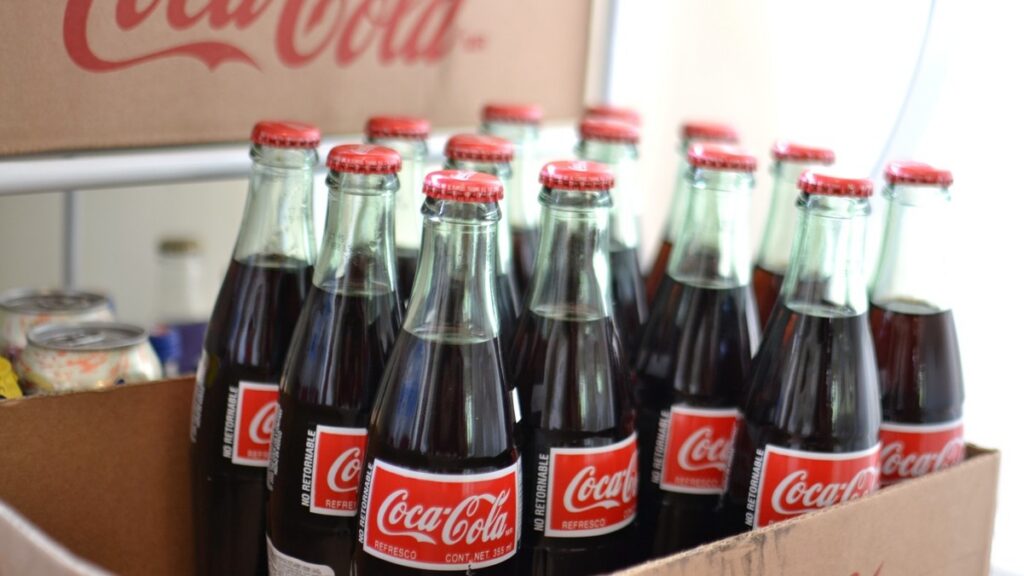
Was the recipe from Italy? Credit:MargJohnsonVA / Shutterstock.com
An old archive clean-up inside a centuries-old Florentine convent has just thrown up a surprise that is turning heads outside of Italy.
Dusty discovery in a Florentine convent
Hidden for more than a century in the pharmacy archives of the Convent of San Marco, a faded promotional leaflet has just been found during routine cleaning. Father Manuel Russo, rector of the convent, told local press that the tonic was once among the pharmacy’s top sellers.
Ingredients that mirror a global brand
The recipe lists 30 grams of kola nuts and 10 grams of Bolivian coca leaves, infused in one litre of an alcoholic mixture. These exact components would later appear in John Stith Pemberton’s French Wine Coca in the 1880s, and, after the alcohol was removed, the non-alcoholic drink became Coca-Cola in 1886. Missionaries are thought to have brought both nuts and leaves from South America and Africa to Tuscany, where monastic pharmacies prepared such remedies for the local population.
Older than the American original
The Tuscan formula predates Pemberton’s creation by several decades, according to the friars. That timing has fuelled speculation that Europe may have beaten the United States to the idea of a coca‑and‑kola tonic. Yet the rector cautioned that there is no documentary proof of a direct link between the San Marco elixir and the later global brand. Coca‑Cola’s own formula is a closely guarded secret, first written down in 1919 and stored in a secure vault.
Wine, not water, made the difference
Where the two drinks diverge is the base. The Florentine monks steeped their ingredients in a litre of alcohol, producing a wine-based restorative common across 19th-century Italy and France. Pemberton’s version originally used wine as well, but when Fulton County in Atlanta introduced temperance measures, he swapped alcohol for water and sugar syrup, launching Coca-Cola as a “temperance drink” at soda fountains in 1886.
For curious readers
For fans of odd history and culinary curiosities, the find offers a rare glimpse into how monastic pharmacies served their communities with fortified tonics long before today’s energy drinks. The discovery also adds a European twist to a story often told as purely American, inviting bartenders, food writers and travellers to imagine a 19th-century bar crawl in Florence that might have featured a local “proto-cola” on the menu.
Follow Euro Weekly News on Google News
Get breaking news from Spain, travel updates, and expat stories directly on your Google News feed.
Follow on Google NewsSign up for personalised news
Subscribe to our Euro Weekly News alerts to get the latest stories into your inbox!
By signing up, you will create a Euro Weekly News account if you don't already have one. Review our Privacy Policy for more information about our privacy practices.



Lucy Ramnought
Lucy Ramnought is a local news writer and mother of 4 from the UK who has lived in the Costa Del Sol for just over 4 years. With a background in content writing and social media for various companies, and with vast experience in PA and project management, Lucy is committed to producing accurate, engaging and reliable stories to her work at Euro Weekly News.
Comments