Why Málaga is seeing fewer jellyfish this summer – but beachgoers shouldn’t relax just yet
By Lottie Verrier • Published: 30 Jul 2026 • 10:43 • 3 minutes read
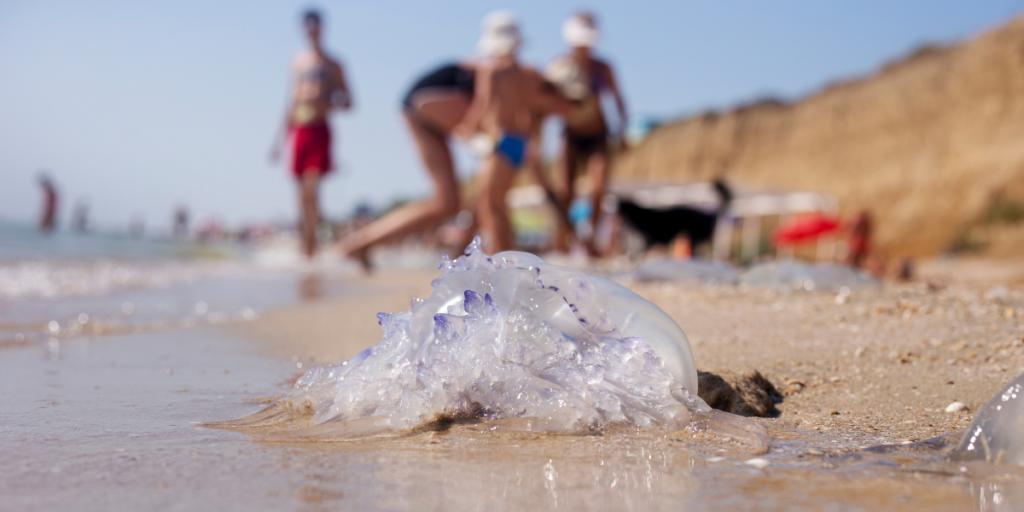
Málaga is seeing fewer jellyfish this summer (but things could change) Credit: Shutterstock/SAGStock
If you’re heading to Málaga’s beaches this summer and love a good dip in the ocean, there’s some reassuring news that means you won’t feel the dreaded sting when you swim. Despite another hot Mediterranean season, jellyfish numbers along much of the Costa del Sol have so far remained surprisingly low.
The reason lies offshore rather than on the sand.
Marine experts say unusual sea currents in the Alborán Sea are currently acting as a natural barrier, making it much harder for jellyfish drifting in open water to reach Málaga’s coastline. While other parts of the Mediterranean have experienced periodic jellyfish sightings, conditions off Málaga have largely kept them away from the beaches where thousands of locals and tourists are swimming each day.
That means, for now at least, beachgoers have a better chance of enjoying a sting-free dip.
The invisible barrier protecting the coast
Scientists point to a large circular current known as the western Alborán gyre.
Created as Atlantic water flows through the Strait of Gibraltar into the Mediterranean, this rotating current effectively traps floating material offshore rather than allowing it to drift towards the beaches.
As long as the current remains stable and weather conditions stay relatively calm, it acts like a natural shield, preventing many jellyfish from reaching the Costa del Sol. According to experts, this is why current forecasts show only a low probability of significant jellyfish arrivals along Málaga’s coastline over the coming days.
It is a reminder that jellyfish are largely passengers rather than powerful swimmers. Their movements depend far more on winds and currents than on where they choose to go.
Why that could change quickly
Unfortunately, that doesn’t mean Málaga is guaranteed a jellyfish-free summer.
A change in weather can rapidly alter conditions at sea. If winds shift direction or marine currents weaken, jellyfish that have been held offshore can suddenly be pushed towards the coast.
Historically, prolonged easterly or Levante winds have been one of the biggest triggers for jellyfish appearing on Costa del Sol beaches, even after weeks of relatively clear water.
For that reason, marine experts stress that beach conditions should be checked daily rather than assuming the coast will remain jellyfish-free for the rest of the holiday season.
Not every jellyfish is dangerous
Several jellyfish species found in the waters around Málaga are relatively harmless and cause only mild irritation if touched.
Others, however, can deliver much more painful stings.
Among the species occasionally seen off the Costa del Sol is Pelagia noctiluca, often recognised by its pinkish-purple colouring. Beachgoers may also encounter larger species, while the Portuguese man o’ war, although not technically a jellyfish, deserves particular caution because its long tentacles can inflict severe stings.
Even jellyfish washed up on the beach should never be touched, as their tentacles can continue to sting long after the animal has died.
How to stay safe at the beach
The easiest way to avoid problems is to pay attention to beach safety information before entering the sea.
Lifeguarded beaches display coloured flags indicating bathing conditions, and many will also post notices if jellyfish have been spotted nearby.
If you see a jellyfish in the water, avoid sudden movements and calmly swim away rather than splashing towards it. Children should also be warned not to pick up stranded jellyfish or fragments washed onto the sand.
If you are stung:
- Rinse the affected area with seawater, not fresh water.
- Do not rub or scratch the skin, as this can release more venom.
- Carefully remove any visible tentacles using tweezers or while wearing gloves if available.
- Apply a cold pack wrapped in cloth to ease pain.
- Seek help from lifeguards or medical professionals if pain is severe, symptoms spread, or breathing difficulties develop.
For now, Málaga’s beaches are benefiting from a fortunate combination of marine currents that are keeping many jellyfish at bay. But with winds and sea conditions capable of changing within days, visitors should continue checking local beach warnings before taking to the water. A little awareness could help keep an otherwise perfect summer beach day that way.
Follow Euro Weekly News on Google News
Get breaking news from Spain, travel updates, and expat stories directly on your Google News feed.
Follow on Google NewsSign up for personalised news
Subscribe to our Euro Weekly News alerts to get the latest stories into your inbox!
By signing up, you will create a Euro Weekly News account if you don't already have one. Review our Privacy Policy for more information about our privacy practices.




Lottie Verrier
Lottie Verrier is a journalist and digital media specialist based in Mallorca. After a decade in London media, including a role as Deputy Editor for the MailOnline’s eCommerce division, she now combines her editorial expertise with a passion for the island to create engaging content that celebrates the best of life in Spain. Instagram @lottieinmallorca
Comments