Iberian lynx record numbers rise to 2,663 as Spain’s wild comeback delights nature watchers
By Adam Woodward • Updated: 31 Jul 2026 • 13:20 • 3 minutes read
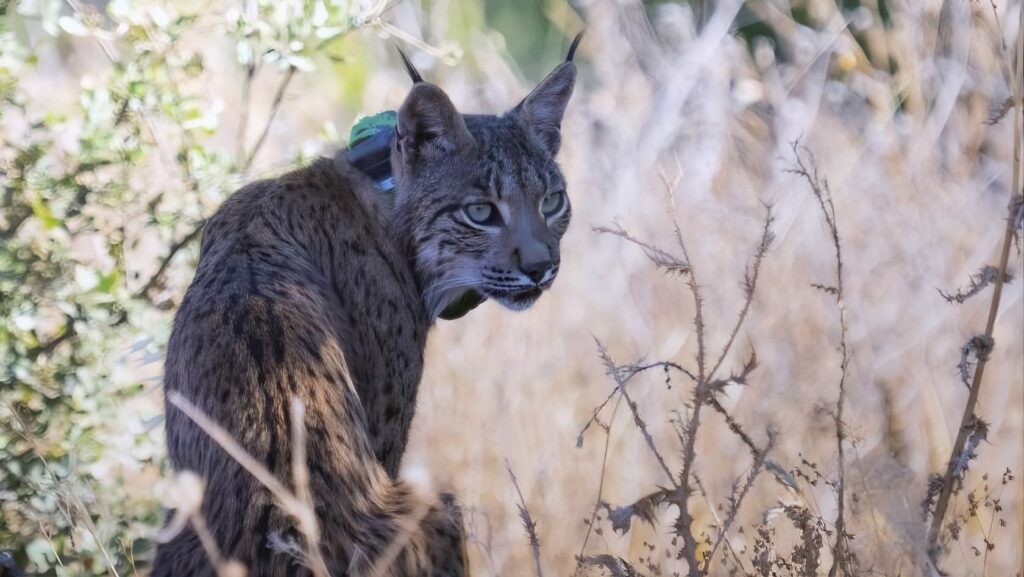
Spotting increases in Iberian lynx numbers. Credit: Com de Madrid
From fewer than 100 animals to 2,663, and now you can try to see them yourself in the wild. Spain’s most charismatic wild cat has just delivered the kind of good news that puts a spring in every outdoor lover’s step. Official 2025 census figures put the Iberian lynx population at an all-time high of 2,663 animals across Spain and Portugal, up 10.9 per cent on the previous year and more than double the total recorded only four years earlier. What began as a desperate rescue from fewer than 100 individuals in 2002 has turned into one of Europe’s brightest conservation stories, with healthy cubs, expanding ranges and fresh hope for anyone keen to catch a glimpse of this spectacular native species.
🦊🐗🦌
En las vías que atraviesan espacios naturales, una señal de fauna nos recuerda que, en cualquier momento, una vida puede cruzarse en nuestro camino.Se prudente, reduce la velocidad, aumenta la atención y deja que “otra familia” siga su camino.#SeguridadVial pic.twitter.com/K2SIlu9Nhf
— Bomberos Madrid (@BomberosMad) July 31, 2026
Record numbers light up the landscape
Castilla-La Mancha is now home to the largest share with 1,051 lynxes, while Andalucia has counted 885. Sierra Morena is still the heartland, supporting 1,145 animals spread across its Andalucian and Castilian stretches. Extremadura holds a reported 302, Murcia 19, Castilla y Leon 11 and even Madrid has one settled individual in the east of the region. Altogether the cats occupy 26 distinct geographic nuclei, with successful breeding confirmed in 18 of them during 2025. Of the total, 1,711 are adults or sub-adults and an impressive 952 are cubs born that same year.
New territories open doors for the future
Captive-breeding and carefully planned releases have proved decisive. Since the first animals went free in 2011, 424 lynxes have been returned to suitable habitat. Work began in the Cerrato area of Palencia in 2025, and 2026 has already seen the first animals released into the Ebro Valley around the river Huerva. These fresh footholds mean the species is no longer confined to its historic southern strongholds. More space reduces pressure on established groups and gives young animals room to claim their own patches without competing with relatives.
Breeding females behind the recovery
An even bigger boost comes from the 542 territorial females counted – some 72 more than the year before. Those females raised the 952 cubs at an average of 1.75 young per breeding female. The long-term technical target of 750 breeding females for favourable conservation status is drawing steadily closer. Biologists say that the biological engine of the species is running smoothly, turning each successful litter into the next generation of wild cats roaming Spanish hills and scrub.
How to observe this spectacular native species
Anyone hoping to see an Iberian lynx in the wild can improve their chances with a few practical steps. Sierra de Andujar Natural Park in Jaen province is still the most reliable place on the planet for sightings. Focus on the public tracks leading towards the Jandula reservoir, especially the La Lancha dirt road, where wooden viewpoints give clear views over valleys favoured by the cats. Early morning and late afternoon offer the best activity windows, while the December-to-February mating season brings extra movement and calling.
Bring decent binoculars or a spotting scope, keep noise and sudden movements to a minimum, and stay on marked routes so the animals are never disturbed. Local guided operators run 4×4 excursions and photography hides on private land that boost success rates dramatically. Winter clothing is wise even in southern Spain, and patience is essential – some days deliver several sightings, others require a second visit. Always drive slowly on rural roads through lynx country; a moment of extra care helps keep these animals safe while they expand their range.
Conservation success that keeps delivering
International recognition arrived when the IUCN moved the Iberian lynx from Endangered to Vulnerable on its Red List in 2024. Ongoing work continues to restore rabbit populations, the cats’ main prey, and to create safe corridors between nuclei. Readers of Euro Weekly News can take quiet pride in the fact that patient, science-led effort across Spain and Portugal has rewritten the future of a species once written off. Fresh territories, rising cub numbers and growing public interest all point to many more years of lynx watching for those willing to rise early and tread lightly.
From near-vanishing act to thriving presence in more than two dozen areas, the Iberian lynx now offers British expats and visitors a genuine wildlife spectacle right on their doorstep. Plan a winter trip to Sierra de Andujar, pack the binoculars, and you may just join the lucky few who have watched this elegant cat slip through the scrub as living proof that careful conservation can still deliver miracles in modern Spain.
Follow Euro Weekly News on Google News
Get breaking news from Spain, travel updates, and expat stories directly on your Google News feed.
Follow on Google NewsSign up for personalised news
Subscribe to our Euro Weekly News alerts to get the latest stories into your inbox!
By signing up, you will create a Euro Weekly News account if you don't already have one. Review our Privacy Policy for more information about our privacy practices.




Adam Woodward
Adam is a writer who has lived in Spain for over 25 years. With a background in English teaching and a passion for music, food, and the arts, he brings a rich personal perspective to his work at Euro Weekly News. As a father of three with deep roots in Spanish life, Adam writes engaging stories that explore culture, lifestyle, and the everyday experiences that shape communities across Spain.
Comments