Secret talks, intelligence reports and Ceuta: Vox wants it all revealed
By Molly Grace • Published: 31 Jul 2026 • 22:32 • 3 minutes read
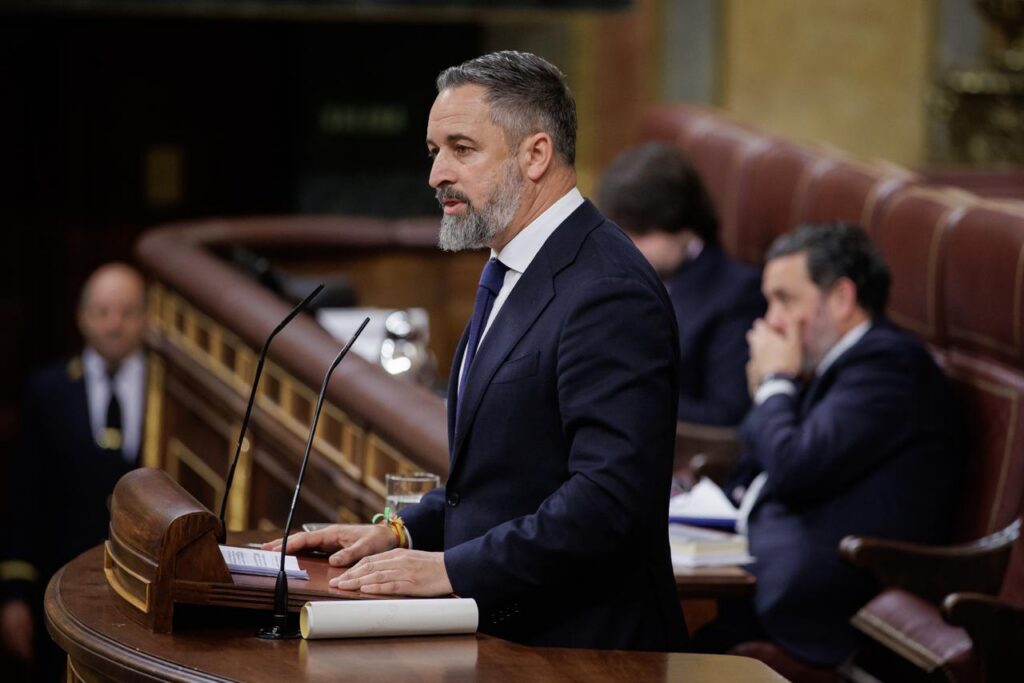
The party wants copies of communications, emails and official documents exchanged between Prime Minister Pedro Sánchez. Photo credit: Congreso de los Diputados
Vox, is demanding answers, not from Morocco, but from Spain’s own government. The party has launched a parliamentary offensive calling for Foreign Minister José Manuel Albares and CNI director Esperanza Casteleiro to appear before Congress following the migration crisis that overwhelmed Ceuta. At the centre of the row is one question: what was being discussed between Madrid and Rabat before thousands of migrants crossed into Spanish territory?
For Vox, this is no longer simply a migration issue. The party argues that Parliament has a duty to establish exactly what information the government had before the crossings, what discussions took place with Morocco and whether ministers acted quickly enough as the situation deteriorated. Rather than accepting official statements, Vox wants both senior figures to answer questions publicly before MPs.
Vox wants ministers in the hot seat
Vox has formally requested that Albares appear before the Foreign Affairs Committee to explain what it describes as the government’s handling of the July migration crisis and its contacts with Morocco throughout the month. The party is also demanding that Esperanza Casteleiro, head of Spain’s National Intelligence Centre (CNI), appear before the relevant parliamentary committee to explain the intelligence services’ role before and during the crisis.
According to Vox, Parliament deserves to know exactly what information the government received before the mass arrivals into Ceuta, what warnings may have been issued and what conversations took place with Moroccan authorities. The party argues that both the diplomatic and intelligence response should now be examined by elected representatives, insisting that the scale of the crisis justifies full parliamentary scrutiny.
Demand for government documents
The requests go well beyond public appearances, alongside the calls for both officials to testify, Vox is seeking access to a wide range of government documents. The party wants copies of communications, emails and official documents exchanged between Prime Minister Pedro Sánchez, ministers and senior government officials relating to the migration crisis. It is also requesting intelligence reports produced by the CNI before and during July, along with communications between the Spanish government, Morocco and the EU’s border agency, Frontex.
Vox is also asking for details of National Security Council meetings held in recent months, particularly any discussions relating to Ceuta, Melilla and border security. The party believes those documents would help establish how the government assessed the situation before the crossings intensified, whether concerns were raised internally and what decisions were taken as events unfolded. Vox says MPs cannot properly examine the government’s response without access to the same information ministers received during the crisis.
Questions over Morocco contacts
The timing of those communications is central to Vox’s argument, the party says Congress should know what contacts took place between Spanish and Moroccan officials before the crisis escalated and while migrants continued arriving in Ceuta. Spain and Morocco remain in regular contact over migration, border security and policing, particularly when pressure increases around Ceuta and Melilla.
Vox is not questioning whether those conversations took place, instead, the party wants Parliament to know exactly what was discussed during July and whether any warnings or concerns were communicated before the situation reached breaking point. The government has already acknowledged that Albares remained in regular contact with his Moroccan counterpart, Nasser Bourita, during the emergency. Officials have described those conversations as part of ongoing cooperation aimed at reducing the crossings and coordinating the response. Vox argues Parliament should now hear exactly what was discussed.
Political pressure grows
The migration crisis has quickly become one of the biggest political issues facing the government. The mass arrivals into Ceuta prompted emergency deployments, humanitarian concerns and renewed debate over Spain’s border policy and relationship with Morocco. Opposition parties have accused the government of failing to control the situation, while ministers insist they acted responsibly under exceptionally difficult circumstances.
Vox has taken the strongest position, using the crisis to press for greater transparency over Spain’s diplomatic and intelligence contacts. The party maintains that any discussions held with Morocco before the crossings should be fully explained to elected representatives. It also argues that Parliament should establish whether government departments, intelligence services and diplomatic officials had access to information that could have altered Spain’s response had it been acted upon sooner.
The government rejects suggestions that it failed to respond appropriately, maintaining that cooperation with Morocco remained essential throughout the emergency.
Congress now faces another battle
Whether Albares or Casteleiro will appear depends on parliamentary procedures and the decisions of the relevant committees. For now, the government’s position remains that diplomatic contacts with Morocco were part of efforts to manage the crisis and maintain cooperation between the two countries.
Vox, however, says those assurances are not enough, the party wants ministers to answer questions publicly, intelligence officials to explain what they knew and Parliament to examine the documents surrounding one of Spain’s most serious migration emergencies in recent years. With the political fallout from Ceuta continuing to dominate the national debate, the row over what happened behind closed doors between Madrid and Rabat now looks set to move into Congress, where Vox hopes ministers will be forced to explain exactly what was known, what was discussed and how Spain responded before the crisis reached its peak.
Follow Euro Weekly News on Google News
Get breaking news from Spain, travel updates, and expat stories directly on your Google News feed.
Follow on Google NewsSign up for personalised news
Subscribe to our Euro Weekly News alerts to get the latest stories into your inbox!
By signing up, you will create a Euro Weekly News account if you don't already have one. Review our Privacy Policy for more information about our privacy practices.




Molly Grace
Molly is a British journalist and author who has lived in Spain for over 25 years. With a background in animal welfare, equestrian science, and veterinary nursing, she brings curiosity, humour, and a sharp investigative eye to her work. At Euro Weekly News, Molly explores the intersections of nature, culture, and community - drawing on her deep local knowledge and passion for stories that reflect life in Spain from the ground up.
Comments