Spain’s DGT issues eclipse travel warning as millions prepare for August 12 spectacle

Spain’s DGT Issues Eclipse Travel Warning as Millions Prepare for August 12 Spectacle

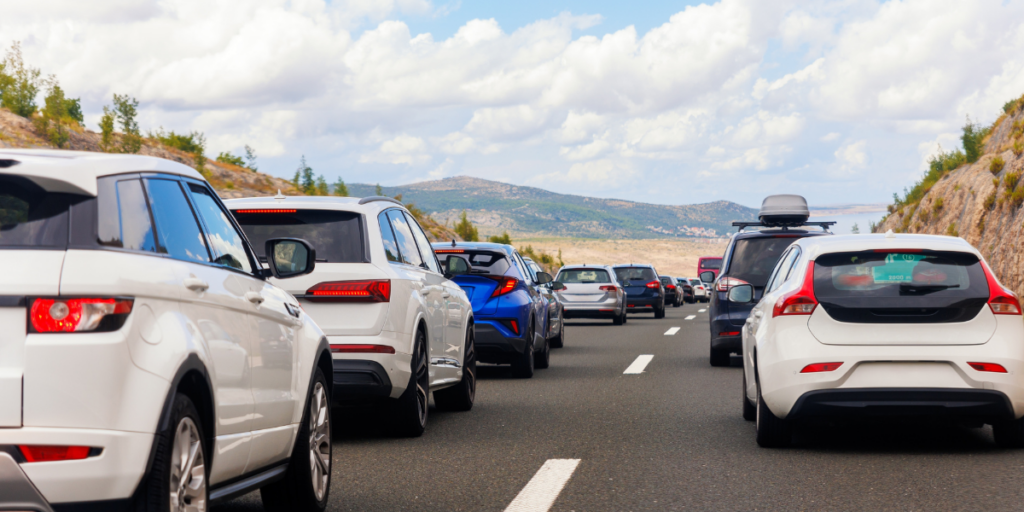
DGT issues key advice Credit: Shutterstock/K-FK

As excitement builds for Spain’s once-in-a-generation total solar eclipse, the country’s traffic authority is warning that the journey could become just as memorable as the celestial spectacle itself. With millions expected to head for the best viewing spots on August 12, the Directorate-General for Traffic (DGT) says roads could become heavily congested unless drivers plan ahead.

Rather than announcing new permanent driving rules, the DGT has issued special guidance aimed at keeping motorists safe during what is expected to be one of the busiest travel periods of the summer. Officials say the combination of peak holiday traffic, evening journeys and thousands of eclipse-chasers travelling to the same destinations could place exceptional pressure on Spain’s road network.

Plan ahead… or stay local

One of the DGT’s clearest messages is simple: if you can enjoy the eclipse safely from where you are, there is no need to travel.

For those determined to experience totality from one of Spain’s prime viewing locations, the authority recommends choosing a destination well in advance, setting off early and allowing far more time than usual for the journey. Popular rural viewpoints, mountain roads and coastal lookouts are all expected to attract huge crowds, with parking likely to fill up hours before the eclipse begins.

Drivers are also warned not to rely solely on navigation apps, as temporary traffic measures or road closures may not be reflected in real time.

Never stop to watch from the roadside

The DGT is urging motorists to resist the temptation to pull over as the sky darkens.

Stopping on motorway hard shoulders, bridges, slip roads or road verges to watch the eclipse is both illegal and dangerous. Instead, anyone wishing to observe the event should leave the road safely in advance and park only in designated areas.

The authority also stresses that drivers should never attempt to watch the eclipse while behind the wheel. Even the changing light conditions before totality could become a distraction, increasing the risk of collisions if attention drifts from the road.

Keep routes clear for emergency services

Another major concern is ensuring emergency vehicles can reach people quickly if they are needed.

Many of Spain’s most sought-after viewing locations are in remote countryside or mountainous areas where roads are narrow and access is limited. Illegally parked vehicles could block ambulances, firefighters or police from reaching emergencies, while August’s high temperatures also mean wildfire risks remain elevated in many regions.

The DGT is asking visitors to park responsibly, obey temporary restrictions and always follow instructions from Guardia Civil officers, local police and traffic officials, even if those directions differ from satellite navigation systems.

Expect delays after the eclipse

Traffic experts believe the biggest queues could come after the eclipse, when thousands of spectators begin travelling home at the same time.

Motorists are advised to prepare for lengthy delays by checking their vehicle before setting off, ensuring they have sufficient fuel or battery charge, carrying drinking water, fully charging their mobile phones and packing anything they might need if journeys take considerably longer than expected.

Families travelling with children, elderly passengers or pets are encouraged to plan extra comfort stops and allow plenty of flexibility in their travel schedule.

A rare event worth planning for

The total solar eclipse on August 12 is expected to be one of the most significant astronomical events visible from Spain in decades, drawing visitors from across Europe to locations along the path of totality.

The DGT says the best way to enjoy the spectacle is with careful planning rather than last-minute travel. That means deciding where to watch in advance, avoiding unnecessary journeys if a good view is available closer to home, parking only in authorised locations, keeping roads clear for emergency services and using only ISO 12312-2 certified solar eclipse glasses when looking directly at the sun outside the brief period of totality.

For drivers, however, the message is clear: no view of the eclipse is worth putting lives at risk. By planning ahead and following the advice, spectators can help ensure the day is remembered for the skies above rather than the traffic below.

Eclipse driving checklist: The DGT’s key advice

To help everyone enjoy the eclipse safely, the DGT is urging motorists to remember these eight points:

  1. Plan your journey in advance and allow much longer than usual for travel.
  2. Stay local if possible rather than making an unnecessary trip to chase the eclipse.
  3. Never stop on motorways, hard shoulders, bridges or road verges to watch the event.
  4. Park only in authorised areas and never block roads or access routes.
  5. Don’t watch the eclipse while driving – pull over safely before looking at the sky.
  6. Expect heavy congestion, especially after the eclipse as thousands head home at the same time.
  7. Follow instructions from the Guardia Civil, police and traffic officers, even if they differ from your sat-nav.
  8. Prepare for delays by checking your vehicle, carrying water, ensuring you have enough fuel or battery charge and keeping your phone fully charged.

Google News

Follow Euro Weekly News on Google News

Get breaking news from Spain, travel updates, and expat stories directly on your Google News feed.

Follow on Google News
Written by

Lottie Verrier

Lottie Verrier is a journalist and digital media specialist based in Mallorca. After a decade in London media, including a role as Deputy Editor for the MailOnline’s eCommerce division, she now combines her editorial expertise with a passion for the island to create engaging content that celebrates the best of life in Spain. Instagram @lottieinmallorca

Comments


    Leave a comment

    Your email address will not be published. Required fields are marked *