The shocking Booking.com scam leaving tourists with nowhere to stay
By Molly Grace • Published: 07 Aug 2026 • 22:48 • 3 minutes read
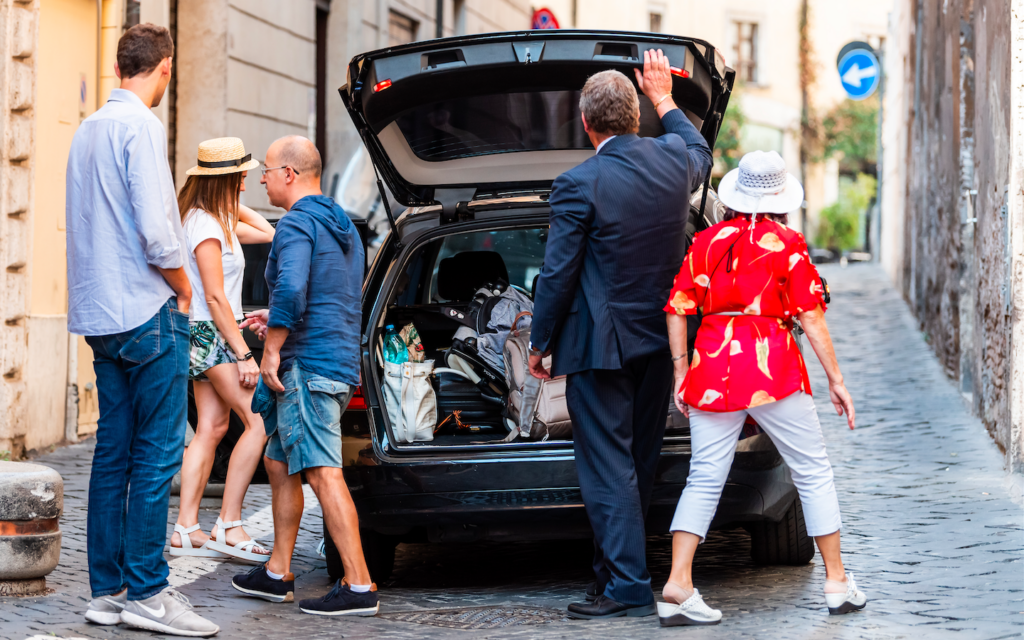
The scale of the fraud is what makes the case extremely shocking. Photo credit: Kristi Blokhin/Shutterstock
Imagine arriving in Rome after carefully planning your holiday, only to discover that the apartment you paid for does not exist, and that the apparently genuine Booking profile you trusted belonged to a completely different property. That is the nightmare facing travellers caught up in a sophisticated accommodation scam in Italy, where criminals allegedly took control of the online profile of a legitimate property in the Siena area and used it to sell bookings for a fictitious apartment in Rome.
The scam was well orchestrated as well as effective simply because the fraud did not begin with an obviously fake website or an unknown accommodation. Instead, the criminals reportedly exploited the credibility of a genuine property already listed on Booking, making the fake offer appear considerably more trustworthy to potential guests. The case has drawn attention to the increasingly sophisticated methods being used to target holidaymakers online, particularly at a time when travellers are making large numbers of bookings for summer trips.
A genuine Booking profile was allegedly hijacked
According to reports from Italian media, the criminals gained access to the Booking account of a real accommodation in the Siena area. They then used that legitimate profile to promote an apartment supposedly located in Rome. The accommodation being advertised to travellers did not actually exist, for someone searching for somewhere to stay in the Italian capital, however, there was little reason to immediately suspect that something was wrong.
The listing appeared through a recognised booking platform and was connected to an established accommodation profile. That gave the fraudulent property something many fake holiday listings struggle to obtain: credibility. The criminals were reportedly able to exploit that trust to generate a huge number of supposed reservations, with reports suggesting that the operation was handling around 200 bookings a day.
Travellers paid for an apartment that wasn’t there
The scale of the fraud is what makes the case extremely shocking. Rather than targeting one or two travellers with an isolated fake advert, the compromised account was reportedly being used on a much larger scale, potentially exposing hundreds of people to the same deception. For those who had booked, the danger was not just about losing money.
A traveller arriving in Rome without a genuine address, keys or host could suddenly find themselves in an unfamiliar city with nowhere to stay, potentially during one of the busiest periods of the tourist season. The incident also demonstrates why checking the name and appearance of a property alone is no longer necessarily enough to establish that an online accommodation is genuine.
Why the scam is particularly difficult to spot
Holiday accommodation fraud has become increasingly sophisticated, with criminals exploiting the familiarity and reputation of major booking platforms. Earlier this year, Booking.com acknowledged a cyberattack in which unauthorised third parties may have gained access to customer information associated with reservations, including names, contact details and other booking information. The company said banking information had not been compromised.
The travel industry has also warned about a rise in fraudulent websites, phishing messages and attempts to impersonate Booking.com and accommodation providers. Security researchers reported a sharp increase in malicious websites connected to travel brands during the run-up to summer this year. That makes the Italian case particularly worrying: the fraud relied not simply on copying Booking.com, but on exploiting a real accommodation’s existing presence on the platform.
What holidaymakers should watch for
Travellers should be particularly cautious if a supposed accommodation provider suddenly asks them to make a payment outside the normal Booking process, click an unfamiliar verification link or provide card information through email, WhatsApp or another messaging service. Booking.com has previously warned customers about attempts to impersonate the platform or individual properties, including messages claiming that a reservation will be cancelled unless payment details are confirmed.
The safest approach is to keep communications and payments within the official booking platform and to be suspicious of urgent requests for additional payment or personal information. A particularly cheap price can also be a warning sign, especially when combined with pressure to make a rapid payment.
The holiday that existed only online
The Siena case offers a particularly reminder of how much trust travellers place in booking platforms. For the people behind the fake Rome apartment, the attraction was not simply the money from individual reservations. It was the credibility attached to an existing property and a well-known platform. For the holidaymakers, meanwhile, the consequences could begin only when they arrived at their destination.
A booking confirmation can feel like the final guarantee that the difficult part of organising a holiday is over. But this particular situation proves that even an apparently legitimate online reservation can conceal something very different from what the traveller believes they have purchased. The apartment in Rome looked real on a screen, the problem was that there was nothing waiting for the guests when they arrived.
Follow Euro Weekly News on Google News
Get breaking news from Spain, travel updates, and expat stories directly on your Google News feed.
Follow on Google NewsSign up for personalised news
Subscribe to our Euro Weekly News alerts to get the latest stories into your inbox!
By signing up, you will create a Euro Weekly News account if you don't already have one. Review our Privacy Policy for more information about our privacy practices.



Molly Grace
Molly is a British journalist and author who has lived in Spain for over 25 years. With a background in animal welfare, equestrian science, and veterinary nursing, she brings curiosity, humour, and a sharp investigative eye to her work. At Euro Weekly News, Molly explores the intersections of nature, culture, and community - drawing on her deep local knowledge and passion for stories that reflect life in Spain from the ground up.
Comments