Britain abandoned a possible £5.5bn treasure near Gibraltar. Now an explorer says he would go back
By Harry Dennis • Published: 10 Aug 2026 • 19:38 • 3 minutes read
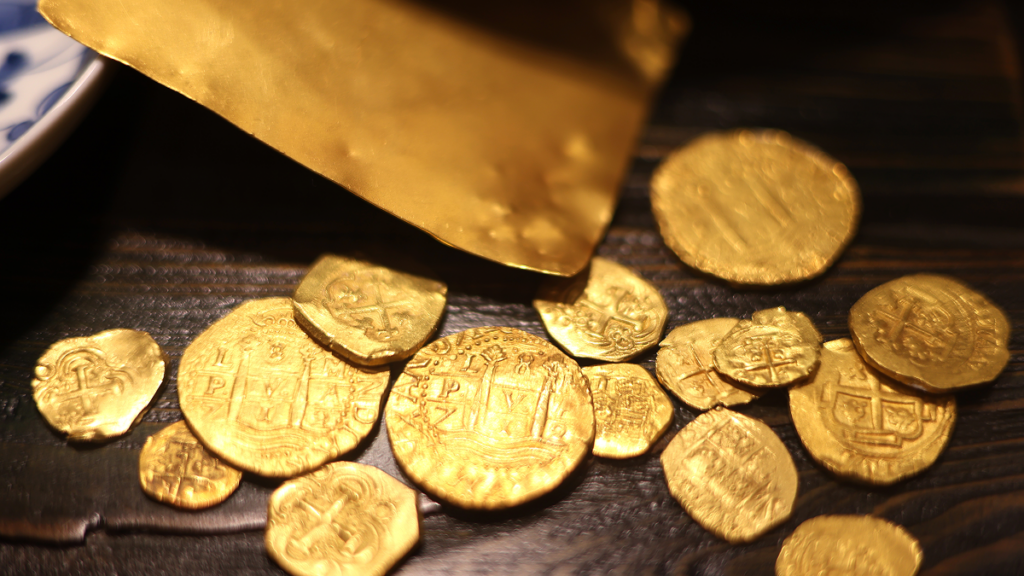
A suspected fortune in gold and silver may have gone down with HMS Sussex near Gibraltar in 1694, but no treasure has yet been recovered. Credit: KeatonDPhotographer / Shutterstock
Ten tonnes of gold may have been laying untouched 821 metres below the sea for more than three centuries off the coast of Gibraltar. Britain once backed a search for it, but a furious dispute involving Spain, the Rock and a different shipwreck brought the project to a halt.
The £5.5bn fortune no one has proved exists… yet
HMS Sussex, an 80-gun Royal Navy flagship, sank in a violent storm near Gibraltar on 1 March 1694. Around 500 men died and only two are believed to have survived. The warship was reportedly carrying a secret payment intended to keep the Duke of Savoy allied with England against Louis XIV’s France. British government accounts later described the suspected cargo as gold and silver coins worth an estimated £1 million at the time.
Modern calculations have put a possible haul of up to ten tonnes of gold at £5.5 billion in value by today’s standards. No treasure has been recovered yet, so this is still an estimate. The cargo’s size remains disputed and even the wreck itself has not been conclusively identified as HMS Sussex.
An 821-metre search produced a wreck but no answer
The British government signed an agreement with US company Odyssey Marine Exploration in September 2002, allowing further archaeological investigation and possible recovery. Britain maintained that the wreck and its contents would belong to the government if its identity were confirmed. Odyssey surveyed and carried out a limited trial excavation on a wreck known as Site E-82 in December 2005 and January 2006. An academic report on the project placed it 821 metres down in international waters in the Strait of Gibraltar, but did not establish that it was the missing flagship.
Andalucía’s own heritage register is also cautious. Its 2009 designation of underwater archaeological sites describes remains east of Punta Europa as a modern wreck that “some identify” as HMS Sussex.
How a separate treasure already broke Spain’s trust
The search had already become entangled in arguments over who could authorise work and how underwater heritage would be protected. A 2005 US diplomatic cable recorded Spanish culture minister Carmen Calvo saying Odyssey could search if it supplied Andalucía with a work plan. The same cable noted that she had previously said the company would search for HMS Sussex “over her dead body”.
The relationship collapsed in 2007 after Odyssey announced a separate recovery, codenamed Black Swan, and flew 17 tonnes of coins out through Gibraltar. Spanish officials felt they had been “had” by the company, according to another US cable, and suspended cooperation on HMS Sussex. The British delegation was formally told immediately before the Americans. However, the Black Swan cargo did not come from HMS Sussex. US courts found that it had been carried by the Spanish frigate Nuestra Señora de las Mercedes, sunk off Portugal in 1804, and ordered it returned to Spain. EWN reported on the ruling in 2011.
The Telegraph reported that Britain later declined to provide Royal Navy support for Odyssey’s vessels leaving Gibraltar, amid concern that another confrontation with Spain could escalate.
Explorer says modern equipment could reopen the hunt
Tom Dettweiler, one of the original HMS Sussex project managers, said that better ships and recovery equipment would make the task easier today. He mentioned a possible return if British ministers backed it.
Dettweiler is now president of American Ocean Minerals. The company entered into a proposed merger agreement with Odyssey on April 8, 2026, bringing two names from the earlier project back into the same corporate story.
But as much history as these two companies share with the project, there is still no announced expedition, new licence or government approval. Any return would reopen the same difficult questions over ownership, archaeological protection and authority in waters close to Gibraltar.
Will anyone eventually unravel the history behind the site? Perhaps one day there will be enough goodwill between the two countries to give it another go. But for now, Site E-82 remains 821 metres below the surface, with a mysterious story that could include a haul of billions of euros in treasure.
Follow Euro Weekly News on Google News
Get breaking news from Spain, travel updates, and expat stories directly on your Google News feed.
Follow on Google NewsSign up for personalised news
Subscribe to our Euro Weekly News alerts to get the latest stories into your inbox!
By signing up, you will create a Euro Weekly News account if you don't already have one. Review our Privacy Policy for more information about our privacy practices.



Harry Dennis
Born in the UK and raised on the Cádiz coast, Harry brings his background in design, music, and photography to his writing for Euro Weekly News, sharing stories that celebrate culture and lifestyle across Spain and beyond.
Comments