Shoppers and tourists in Spain can say goodbye to these everyday items from August 12
By Natascha Rivera • Published: 11 Aug 2026 • 16:20 • 3 minutes read
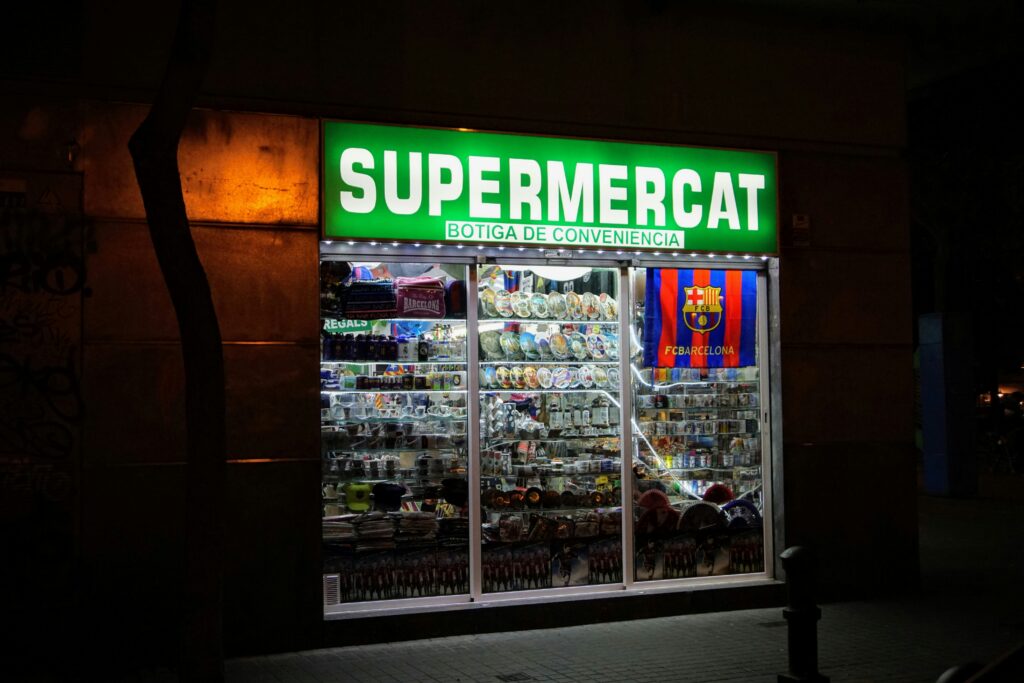
New EU regulations gradually phase out single-use plastic packaging items. Photo Credit: Ricky Singh / Unsplash
Shoppers can say goodbye to mini shampoo bottles and plastic bags. Beginning Wednesday, August 12, the European Union will enforce a regulation that will transform the management of packaging in stores throughout Europe, including Spain. The measure is being implemented as a method to reduce waste, promote recycling and reusing, and work towards the goal of climate neutrality by 2050.
Plastic bags, coffee capsules and shrink-wrap: Sweeping EU legislation targets single-use plastic waste
The regulation requires that all packaging be recyclable and the usage of lightweight plastic bags, single-serving packets, and plastic fruit and vegetable packaging be limited. Among some of the framework of the legislation, new colour-coded labels must also be introduced, in order to make the separation of materials for recycling easier. These coloured labels will be applied in as many as 24 different categories. Glass, for example, will be divided into clear, coloured, green, and brown classifications for recycling.
This measure aims to put extra pressure on producers, who assume the responsibility of designing sustainable packaging that can be recycled, following the “polluter pays” rule.
The affected products
To be specific, the kinds of products that will be affected by the new packaging rules include:
- Fresh produce: Plastic wrap, netting, and shrink-wrap on fresh fruit and vegetables weighing under 1.5 kg.
- Single-serve items & condiments: Individual sauce sachets (ketchup, mayo, dressing), mini sugar packets, milk pods, and single-use condiment trays in restaurants and cafes.
- Hotel toiletries: Miniature shampoo, body wash, and lotion bottles provided in hotels and accommodations.
- Plastic bags: Ultra-lightweight plastic bags used for loose food items or at checkout counters.
- Takeaway containers: Expanded polystyrene (Styrofoam) food boxes and single-use plastic cups/bowls used for fast food and prepared meals.
- Airport luggage wrapping: Heavy plastic shrink-wrap used at airport terminals.
- Everyday packaged goods: Any consumer product whose packaging contains high levels of “forever chemicals” or non-recyclable materials.
Gradual rollout timeline for retail and hospitality sectors
However, the average consumer may not see a noticeable difference for years. Though the measure is officially being implemented from mid-August, 2026, it will also be enforced in a gradual rollout.
Hospitality establishments have their own timeline for restrictions. From 2027, establishments including hotels and hostels will be required to accept reusable containers from customers for takeaway food. In 2028, they will be required to offer reusable options. By 2030, single-serving portions will be completely banned in the hospitality sector, and hotels will not be allowed to offer single-use complimentary items except upon request.
The coffee capsule conundrum
Coffee capsules, though they seem unassuming, are already causing debate and headaches with regard to the new regulations. Under the rule, they are classified as packaging, and must therefore be made sustainable by producers.
When it comes to the hospitality sector, though they are a staple in many hotels for their efficiency and simplicity of use, they are now creating technical challenges for collection and recycling, and the hospitality sector will soon be required to charge an extra fee for their use – an irritating development for faithful coffee drinkers who swear by their Nespresso capsules.
What changes for shoppers from Wednesday, August 12, 2026
Though the changes will be immediately implemented for producers, who must scramble to redesign sustainable packaging, it will take a few years yet for shoppers to notice big changes. The first, most noticeable change shoppers will begin to see from 2026 are the colour-coded labels. Over time, residents will begin to see thin plastic bags, shrink-wrapped fruit and vegetables, and mini hotel shampoo and soap bottles gradually disappearing.
Ultimately, whether shoppers are glad to be rid of single-use plastics or lamenting the loss of mini shampoo bottles and plastic grocery bags, the measure marks a decisive, sweeping step towards a greener and less wasteful future for the EU, and for Spain in particular.
Follow Euro Weekly News on Google News
Get breaking news from Spain, travel updates, and expat stories directly on your Google News feed.
Follow on Google NewsSign up for personalised news
Subscribe to our Euro Weekly News alerts to get the latest stories into your inbox!
By signing up, you will create a Euro Weekly News account if you don't already have one. Review our Privacy Policy for more information about our privacy practices.




Natascha Rivera
Natascha is a Dominican writer based in Spain with a background in audiovisual and marketing communication. A lifelong reader and passionate storyteller, she brings a creative edge to her work at Euro Weekly News. Her multicultural perspective informs her coverage of lifestyle and community stories, offering fresh angles and relatable storytelling that connects with a diverse audience.
Comments