Spain’s new 10-cent deposit could have an unexpected effect on rubbish bins
By Adam Woodward • Published: 12 Aug 2026 • 9:57 • 5 minutes read
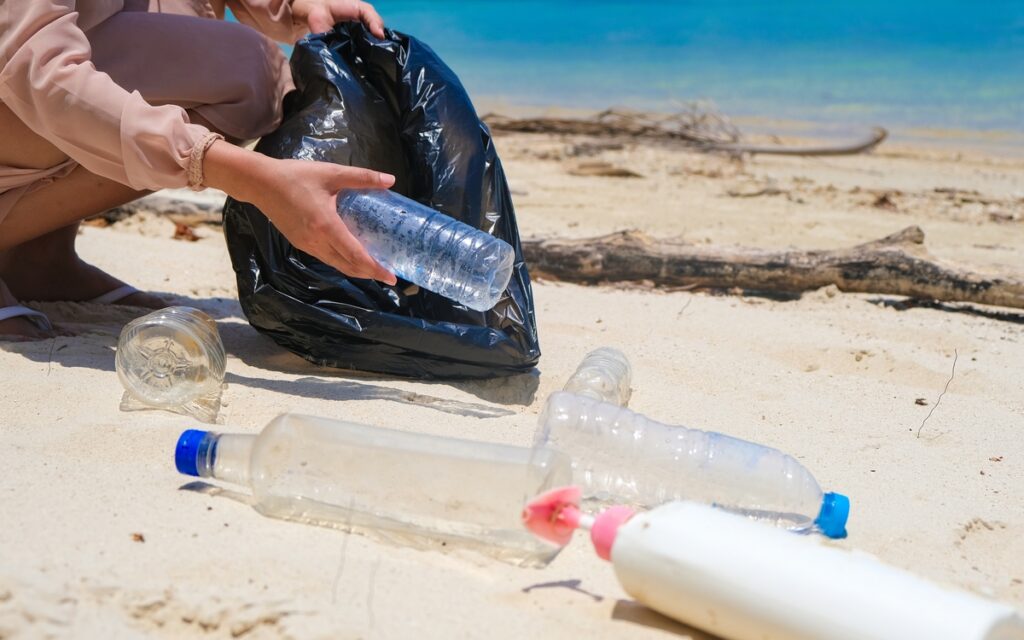
Things that the everyday folks leave behind. Credit: Me dia - Shutterstock
Spain’s new drinks deposit system, starting today, August 12, could create an unexpected side effect: rubbish bins may soon contain something that looks a lot more like cash.
Once eligible bottles, cans and other drinks containers carry a refundable deposit, throwing one away will effectively mean throwing away money. That could change what happens to discarded drinks packaging on streets, beaches, outside bars and inside household rubbish bins.
Spain is introducing its national Deposit, Return and Refund System, known as SDDR, with a 10-cent deposit planned for eligible single-use drinks containers. The precise rollout timetable remains a moving target, with November still cited as the legal deadline for the national system despite some reports linking the changes to August 12.
For consumers, the basic principle is simple. Pay the deposit when buying the drink, then recover it by returning the empty container through an authorised collection system. But what happens when somebody else gets there first?
Could Spain see people collecting cans from litter bins?
A discarded can worth 10 cents is no longer quite the same thing as ordinary rubbish. People who spot deposit-bearing containers in public places could have a reason to pick them up and return them for the refund. That could include cans and bottles left beside bins, discarded after a day at the beach or abandoned outside busy bars and restaurants.
Spain would not be the first country to see this behaviour. Germany has a well-established culture of collecting deposit bottles and cans from public places. The German practice known as Pfandsammeln involves people collecting discarded containers from bins and other public spaces before taking them to shops for the refund.
Informal collectors can therefore become part of the recycling system, particularly in busy urban areas where large numbers of drinks containers are consumed.
Could rubbish bins become hunting grounds for 10-cent deposits?
Whether people actually start searching Spanish bins will depend on how easy the containers are to return and how much effort is involved. Ten cents might not sound like much, but 10 containers are worth €1, while 100 are worth €10, and 1,000 are worth €100. Collectors may appear to be Wombles, but potentially this could give someone a full-time job in tourist-heavy areas.
Busy tourist areas could potentially provide plenty of opportunities, particularly around beaches, promenades, festivals, nightlife areas and large public events. Another possibility is that people simply start looking beside bins rather than inside them.
In Germany, it is not unusual for people to leave deposit bottles beside public rubbish bins so somebody else can collect them rather than allowing them to disappear into general waste. The behaviour has become sufficiently established to have its own name and social recognition.
What happens to cans and bottles left on Spanish beaches?
Litter could suddenly acquire a value. A plastic bottle abandoned on a pavement or a can left on the sand would no longer represent just an environmental problem. If it carries a refundable deposit, it also represents money that somebody can recover.
Ireland offers an interesting example. Its Deposit Return Scheme began in February 2024, covering eligible plastic bottles and aluminium cans. Empty, undamaged containers can be returned to participating retailers for the deposit.
Irish authorities subsequently reported a near-50 per cent reduction in the prevalence of plastic bottles and cans found as litter, while also reporting hundreds of millions of containers being returned.
Officials have even pointed to the incentive for passers-by to pick up bottles and cans thrown away as litter and claim the deposit. That could be particularly relevant for Spain’s coastal resorts, where discarded drinks containers can become part of the summer litter problem.
Could people make money from other people’s rubbish?
Possibly, although that does not necessarily mean Spain will suddenly see armies of people raiding bins. Some collectors may simply pick up containers they find on the ground. Others could collect bottles and cans from locations where large quantities of drinks are consumed.
Charities and community groups could also potentially use returned containers for fundraising, as has happened in Ireland. More than 2,000 schools, clubs and community organisations had registered for fundraising through the Irish scheme by its first anniversary. That creates an interesting distinction between bin scavenging and organised collection.
One involves somebody looking for discarded containers to earn a little money. The other could see households, businesses, charities or community groups deliberately collecting deposit-bearing packaging and returning it in bulk.
What condition must a bottle or can be in?
Collectors will not necessarily be able to grab every crushed or filthy container and expect an automatic refund. Ireland’s system, for example, requires returned containers to be empty and undamaged, with the relevant scheme logo. Consumers are advised not to crush or squeeze bottles and cans because reverse-vending machines need to identify them.
Germany has similar practical restrictions. German consumer advice notes that bottles and cans can be refused when they are badly crushed or when the label is missing. Spain’s final operating rules will determine exactly how its machines and collection points handle damaged or unidentifiable containers.
That means somebody pulling a can from the bottom of a rubbish bin may find that its 10-cent value disappears if the barcode or packaging is too badly damaged.
What could this mean for Spain’s rubbish collectors?
Council waste services could face a new situation once deposit-bearing containers become valuable. A can or bottle that would previously have travelled through household recycling or general waste could instead be removed before the rubbish truck arrives.
That could reduce the amount of valuable recyclable material entering council waste streams, which is one of the intended effects of a deposit-return scheme. Germany’s system already operates with a separate return network, while official German guidance confirms that eligible one-way deposit containers can be returned even when they were purchased somewhere else.
Spain will therefore need to consider not just the machines and shops accepting returns, but also what happens around public bins and municipal collection points.
Spain may discover that rubbish has a price
Perhaps the strangest change for shoppers will be psychological. A discarded bottle will no longer necessarily look like something with no value. It could represent 10 cents waiting to be collected.
That may encourage people to keep their own empties rather than throw them away. It could also encourage somebody else to collect containers that have been abandoned.
Experience from Ireland suggests the financial incentive can reduce the amount of deposit-bearing packaging appearing as litter. Germany shows that informal collection can become an established part of everyday life.
Spain’s beaches, streets and rubbish bins could therefore become part of a new recycling economy in which yesterday’s rubbish is tomorrow’s pocket change. For shoppers, the message is simple: once a bottle or can carries a refundable deposit, putting it in the bin could be the equivalent of putting a 10-cent coin in the rubbish.
Follow Euro Weekly News on Google News
Get breaking news from Spain, travel updates, and expat stories directly on your Google News feed.
Follow on Google NewsSign up for personalised news
Subscribe to our Euro Weekly News alerts to get the latest stories into your inbox!
By signing up, you will create a Euro Weekly News account if you don't already have one. Review our Privacy Policy for more information about our privacy practices.





Adam Woodward
Adam is a writer who has lived in Spain for over 25 years. With a background in English teaching and a passion for music, food, and the arts, he brings a rich personal perspective to his work at Euro Weekly News. As a father of three with deep roots in Spanish life, Adam writes engaging stories that explore culture, lifestyle, and the everyday experiences that shape communities across Spain.
Comments