British families flying between UK and Spain given fresh EES warning for under-12s
By Molly Grace • Published: 18 Aug 2026 • 18:54 • 3 minutes read

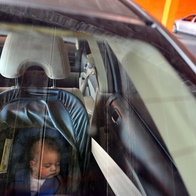
A child under 12 will still have a facial image taken as part of the border process. Photo credit: BalkansCat/Shutterstock
Parents flying from Britain to Spain with young children may have been left wondering whether the new biometric border checks apply to their sons and daughters. Fresh guidance has now cleared up one important part of the rules, and it is not a complete exemption for under-12s.
Children below 12 will not have their fingerprints taken when they cross the Spanish border, but they will still need to have a facial scan. That means families should not expect younger children to simply bypass the new biometric process when they arrive at a Spanish airport. The clarification comes from ABTA’s travel guidance, which was updated on August 17 and says people of all ages must go through EES checks.
The part parents could easily misunderstand
The confusion comes from the fingerprint rule, Under-12s are exempt from providing fingerprints, which could lead parents to believe that their children are exempt from the new checks altogether. ABTA’s latest guidance makes clear that this is not the case. A child under 12 will still have a facial image taken as part of the border process.
For a family arriving in Spain after a flight from the UK, that means the adults and children cannot simply be treated as separate groups at passport control. The younger members will still need to be included in the process. The system records entries and exits electronically instead of relying on the traditional passport stamp.
What happens when the family reaches Spanish passport control
The process will depend on the airport and the way its border facilities have been set up, but travellers should expect biometric checks as part of entering Spain. Adults covered by EES provide a facial image and fingerprints. Parents should therefore have their children’s passports ready and expect the children to be involved when the family reaches the border. There is another reason families may want to leave more time for the airport: ABTA warns that EES can make passport control take longer.
It advises travellers to allow additional time at the border and to follow instructions from their airline and airport. For families with young children, a longer wait can mean more than an inconvenience. It can affect onward transport, airport transfers and connections, particularly when flights arrive at busy Spanish holiday airports.
British holidaymakers are among those affected
The system applies to most people travelling from Britain to Spain for short stays. A short stay covers visits of up to 90 days within a 180-day period, which includes most holidays and family trips. British passport holders with EU residency are exempt, while Irish passport holders are also outside the system. For British families without those exemptions, the new process applies when entering and leaving participating European countries.
Spain is one of the countries listed by ABTA as using EES, alongside destinations including France, Portugal, Italy, Germany and Greece. The system has been fully operational since 10 April, although the way checks are carried out can still vary between individual borders.
Parents should allow time for the checks
Families travelling to Spain should factor the border procedure into their plans rather than assuming passport control will work exactly as it did before. ABTA advises passengers departing Europe to go to passport control as soon as possible after completing check-in and security. It recommends treating two hours before a flight as the minimum arrival time, while also checking the requirements of the airline and airport being used.
Travellers may also be asked questions about their stay. This is not a new requirement for British citizens, but EES gives countries the option of asking some of these questions electronically. ABTA advises keeping details such as accommodation information and other travel documents readily available. The first registration can take longer because the traveller’s details have to be entered into the system. Once fully registered, travellers do not normally have to complete the entire registration again on every journey for up to three years, provided they continue using the same passport. They will still need to use the EES process when crossing the border.
The message for British parents
For families travelling between Britain and Spain, the under-12 rule comes down to one distinction. No fingerprints does not mean no biometric check, Children younger than 12 still need a facial scan when they are processed under EES. Parents should therefore expect their children to be included at Spanish passport control and allow enough time for the procedure.
The new ABTA clarification means families can now prepare for the process with a clearer understanding of what will happen: young children will not have their fingerprints taken, but they will not simply bypass the new biometric border checks either.
Follow Euro Weekly News on Google News
Get breaking news from Spain, travel updates, and expat stories directly on your Google News feed.
Follow on Google NewsSign up for personalised news
Subscribe to our Euro Weekly News alerts to get the latest stories into your inbox!
By signing up, you will create a Euro Weekly News account if you don't already have one. Review our Privacy Policy for more information about our privacy practices.



Molly Grace
Molly is a British journalist and author who has lived in Spain for over 25 years. With a background in animal welfare, equestrian science, and veterinary nursing, she brings curiosity, humour, and a sharp investigative eye to her work. At Euro Weekly News, Molly explores the intersections of nature, culture, and community - drawing on her deep local knowledge and passion for stories that reflect life in Spain from the ground up.
Comments