Spain’s 30,000-strong Costa Blanca community begins bid for independence
By Molly Grace • Published: 22 Aug 2026 • 23:40 • 4 minutes read
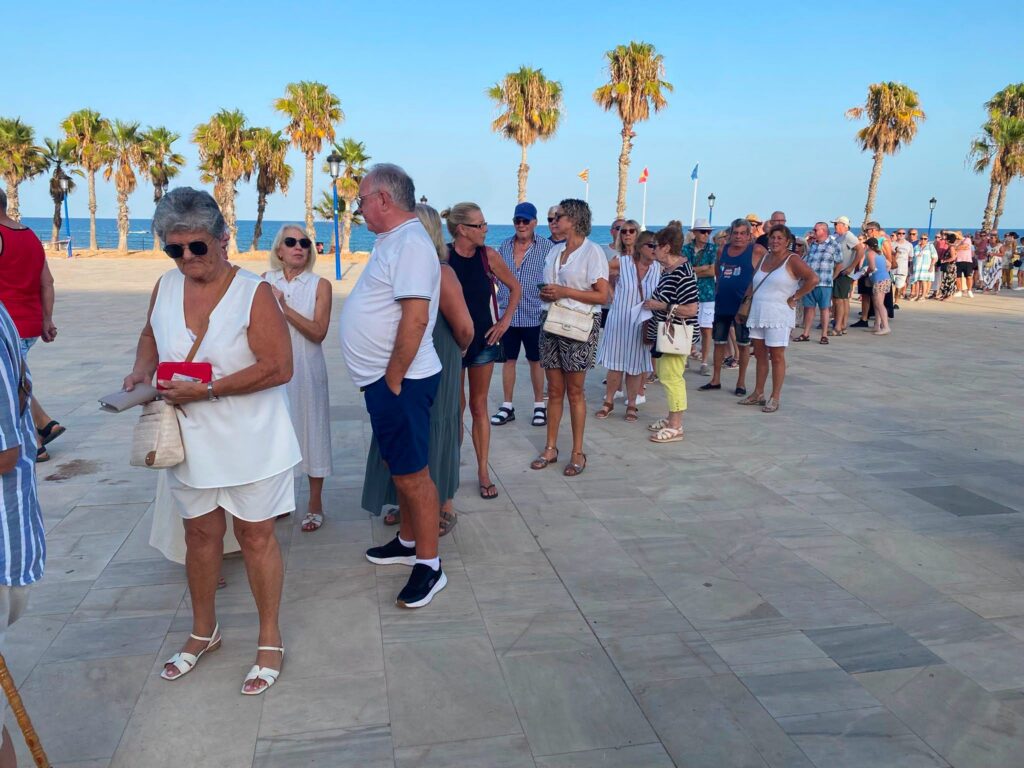
PIOC says Orihuela Costa now has around 30,000 registered residents. Photo credit: PIOC on Facebook
British and Spanish residents living on the Costa Blanca could soon find themselves voting for a new local authority, after a growing movement in Orihuela Costa began the formal process of seeking independence from Orihuela. The group behind the campaign has already collected more than 800 signatures and is preparing a segregation dossier, with the 2027 municipal elections now seen as a crucial test of support.
For people living along Orihuela Costa, this is no longer simply an argument on social media about whether the coastal area receives enough attention from the town hall. The Partido para la Independencia de Orihuela Costa (PIOC) says the process to create a separate municipality has officially begun, and its latest campaign is focused on securing enough political support to take the proposal further.
More than 800 signatures collected
PIOC launched its latest push on July 30, when residents began signing the documentation needed for the proposed segregation. The group says more than 800 signatures were collected on the first day, with the campaign expected to continue for several months. It is aiming for around 10,000 signatures before submitting its case to the relevant authorities. The planned dossier is expected to include technical reports covering the area’s population, finances, territory and ability to operate as a separate municipality.
PIOC says those reports will be used to demonstrate that an independent Orihuela Costa could function as its own local authority rather than remaining part of Orihuela’s much larger municipality. The campaign is particularly relevant to the large international community living on the coast. PIOC describes itself as a party made up of residents of different nationalities and says it is seeking support from across the community.
Why residents want their own council
The central argument from PIOC is that Orihuela Costa has become a substantial population centre but remains dependent on a town hall located far inland. The group says residents are frustrated by what it describes as a lack of public services and investment, arguing that decisions affecting the coast should be made locally.
Its president, Román Jiménez, has said the campaign is driven by what the party calls the “constant lack” of public services and what it describes as the neglect of the coastal area by Orihuela Town Hall. The complaints cover everyday issues rather than an abstract political dispute. PIOC has highlighted rubbish collection, infrastructure, security and other services as reasons why it believes the coast needs its own administration. Its campaign material argues that money generated in the coastal area should be used according to local priorities.
Population is strengthening the argument
Demographics are another major part of the campaign. PIOC says Orihuela Costa now has around 30,000 registered residents, while material published by the party indicates that the number could rise substantially over the coming years. The movement argues that continued growth makes it increasingly difficult to justify governing the coast as a peripheral part of Orihuela.
The physical distance is also significant. Orihuela’s historic centre is roughly 30 kilometres from the coast, according to current reporting on the campaign. For PIOC, the combination of population growth, distance and local demands strengthens its case for a council based in the coastal area itself.
The 2027 election could be crucial
The next major opportunity comes with the May 2027 municipal elections. PIOC is now working to secure representation on Orihuela Town Council, believing that winning seats would give the independence campaign a stronger political platform. The party has said it wants to obtain several councillors and use that representation to push the segregation proposal from inside the municipal system.
That means the 2027 vote could become more than a choice between the traditional political parties for coastal residents. It could also become a referendum of sorts on whether the independence movement has enough local support to gain a place at the decision-making table.
Orihuela mayor rejects the idea
The proposal is facing opposition from Orihuela’s mayor, in a recent interview, the mayor said achieving independence for Orihuela Costa was legally impossible, arguing that the coastal area does not meet the relevant legal, physical and territorial requirements. He also pointed to ongoing investment in the coast, including projects involving water, lighting, drainage, roads, children’s areas, security, emergencies and waste collection.
PIOC disputes the idea that the question can simply be dismissed. A recent local analysis of the legal position argues that the legislation does provide a procedure for municipal segregation and that the proposal therefore needs to be assessed against the specific requirements rather than ruled out outright. The proposed municipality would still have to demonstrate that it could provide services and sustain itself financially, while the segregation process would involve technical, legal and administrative scrutiny.
A new municipality is still a long way off
For now, there is no new municipality and no confirmed date for Orihuela Costa to separate from Orihuela. What has changed in this year is that the independence movement has moved from campaigning for support to preparing a formal case.
With signatures being collected, technical reports planned and a push for representation in the 2027 elections underway, the question is no longer simply whether some coastal residents would like greater autonomy. The real test now is whether the movement can turn that frustration into enough signatures, votes and legal evidence to persuade the authorities that Orihuela Costa should govern itself.
Follow Euro Weekly News on Google News
Get breaking news from Spain, travel updates, and expat stories directly on your Google News feed.
Follow on Google NewsSign up for personalised news
Subscribe to our Euro Weekly News alerts to get the latest stories into your inbox!
By signing up, you will create a Euro Weekly News account if you don't already have one. Review our Privacy Policy for more information about our privacy practices.





Molly Grace
Molly is a British journalist and author who has lived in Spain for over 25 years. With a background in animal welfare, equestrian science, and veterinary nursing, she brings curiosity, humour, and a sharp investigative eye to her work. At Euro Weekly News, Molly explores the intersections of nature, culture, and community - drawing on her deep local knowledge and passion for stories that reflect life in Spain from the ground up.
Comments