Spain holiday rental map reveals where thousands of homes are now tourist flats
By Molly Grace • Published: 23 Aug 2026 • 16:46 • 3 minutes read
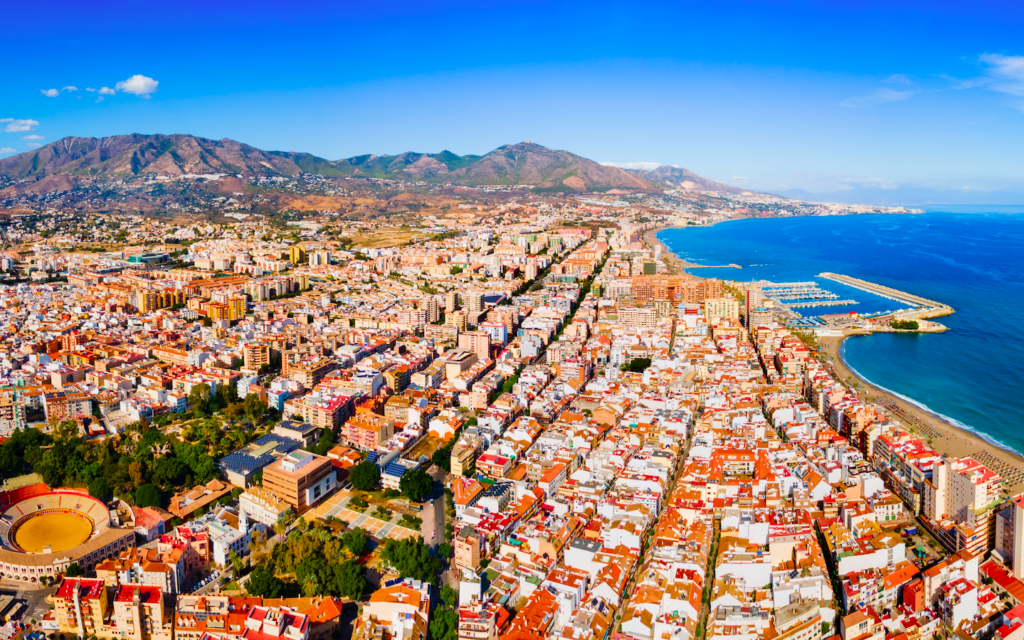
The latest figures also show that Spain's tourist accommodation market is moving in the opposite direction. Photo credit: saiko3p/Shutterstock
Anyone trying to find a home in Spain’s biggest holiday hotspots may be competing with more than just other residents. New figures show that 341,001 homes are being used as tourist accommodation this summer, with some of the country’s most popular destinations recording striking concentrations of holiday lets.
The total has actually fallen by 10.7 per cent in a year, but that reduction has not been spread evenly across the country. For people looking for permanent homes, long-term rentals or somewhere to live in Spain’s busiest coastal destinations, the figures show where holiday accommodation remains most concentrated.
Andalucía has the most tourist homes
Andalucía has the largest number of tourist-use homes in Spain, with 90,649 properties, Cataluña follows with 51,305, narrowly ahead of the Valencian Community with 51,268. The Canary Islands have 48,356, putting them fourth nationally. Those figures count the number of tourist properties rather than their share of the overall housing stock, which produces a different picture when the size of each region is taken into account.
The Canary Islands have the highest proportion, with tourist homes representing 4.44 per cent of all housing. The Balearic Islands follow at 3.27 per cent, while Andalucía stands at 1.94 per cent. That distinction matters for anyone living in or visiting these areas. A region can have fewer tourist properties overall but still have a much greater concentration within its available housing.
Málaga and Alicante stand out
The provincial figures are particularly relevant for people living on Spain’s southern and eastern coasts. Málaga has 45,176 tourist-use homes, the highest figure of any Spanish province. Alicante comes next with 32,148, followed by Las Palmas with 26,998 and Santa Cruz de Tenerife with 21,358.
The Balearic Islands account for another 21,304. Málaga also has one of the highest proportions of tourist accommodation relative to its total housing stock, at 4.5 per cent. Alicante stands at 2.38 per cent, while Cádiz reaches 2.33 per cent. For British residents and holidaymakers, these are some of the most familiar parts of Spain. They are also areas where demand for short-term accommodation remains closely linked to the tourism industry.
Madrid has the most at city level
The ranking changes again when individual municipalities are compared. Madrid has 10,836 tourist homes, making the capital the municipality with the largest number, Málaga follows with 8,288, while Barcelona has 8,231.
Marbella is fourth with 6,987, followed by Sevilla with 6,937, Valencia has 5,393, while Mijas records 4,465. Oliva has 3,979, and Arona in Tenerife has 3,967. The figures highlight the scale of tourist accommodation in both major cities and established holiday destinations. But the number of properties alone does not tell the whole story.
Smaller areas see the biggest concentrations
Some of Spain’s smaller municipalities have a far greater proportion of tourist homes than the country’s major cities, Valle de Bardají in Huesca has tourist accommodation representing 33.33 per cent of its housing stock. La Oliva in Fuerteventura reaches 23.55 per cent, while Roncesvalles in Navarra stands at 22.22 per cent.
These percentages show why national totals can disguise what is happening in individual communities. A destination with several thousand tourist properties can have a significant effect on the local housing market, but a small municipality with a much smaller absolute number can have an even greater proportion of its homes dedicated to visitors. For permanent residents, that difference can be more important than the national ranking.
Tourist homes are falling
The latest figures also show that Spain’s tourist accommodation market is moving in the opposite direction from the impression created by years of rapid growth. The country now has 341,001 tourist-use homes, down 10.7 per cent from the previous year. The fall comes as authorities across Spain continue tightening rules around holiday lets and requiring properties operating as tourist accommodation to comply with new registration and licensing requirements.
That means the reduction does not necessarily indicate that demand for holiday accommodation has collapsed. Instead, some properties may have left the tourist-rental market as regulations become stricter, while others continue operating in areas where tourism remains a major source of income.
Where the numbers matter most
For anyone planning a move to Spain, the figures offer a useful indication of where competition between tourism and residential housing remains particularly visible. Málaga and Alicante stand out because of the sheer number of tourist homes, while the Canary and Balearic Islands have much higher concentrations relative to their overall housing stock. The difference between the figures also explains why the debate over holiday rentals cannot be reduced to one national number.
A 10.7 per cent fall across Spain may sound significant, but someone looking for a permanent home in a municipality where almost one in four properties is used for tourism is facing a very different housing market, The latest figures therefore reveal a divided picture. Spain has fewer tourist homes than it did a year ago, but the properties that remain are concentrated heavily in the destinations most dependent on tourism, and in some smaller communities, holiday accommodation still accounts for a remarkable share of the homes available.
Follow Euro Weekly News on Google News
Get breaking news from Spain, travel updates, and expat stories directly on your Google News feed.
Follow on Google NewsSign up for personalised news
Subscribe to our Euro Weekly News alerts to get the latest stories into your inbox!
By signing up, you will create a Euro Weekly News account if you don't already have one. Review our Privacy Policy for more information about our privacy practices.


Molly Grace
Molly is a British journalist and author who has lived in Spain for over 25 years. With a background in animal welfare, equestrian science, and veterinary nursing, she brings curiosity, humour, and a sharp investigative eye to her work. At Euro Weekly News, Molly explores the intersections of nature, culture, and community - drawing on her deep local knowledge and passion for stories that reflect life in Spain from the ground up.
Comments