Mallorca tourists filmed giving goats a drink with a twist
By Molly Grace • Published: 30 Aug 2026 • 22:35 • 4 minutes read
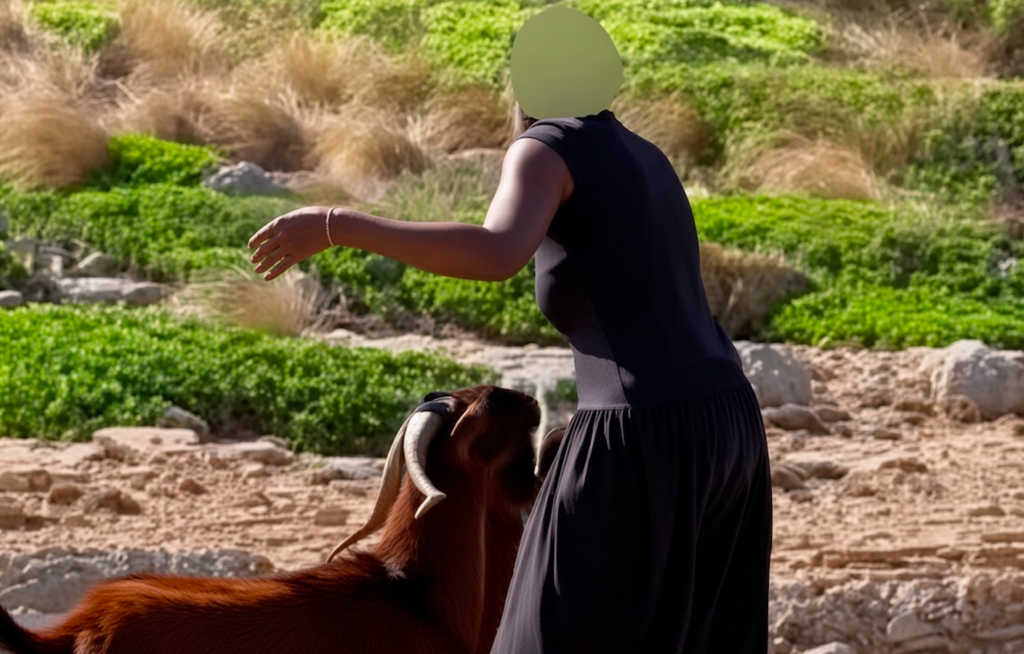
A few small sips are not the same as consuming a large quantity of alcohol. Photo credit: FAADA on X
There are some things you simply don’t expect to see when humans are interacting with wild or feral animals, most either remain at a respectful distance or pet them if they approach, however, recent footage from Mallorca has captured a group of tourists at Cala Figuera doing something particularly out of order, and then leaving litter behind when they walked away.
The video shows several feral goats gathered around the visitors before the situation takes an unexpected turn. The animals take small sips from what is being offered to them, while the group continues filming the encounter. The footage was recorded in Cala Figuera, Mallorca, and posted on Instagram by Mallorca Viral. It was later shared by animal welfare organisation FAADA on August 30.
Goats are not there for tourists’ entertainment
The goats can be seen taking small sips of beer from cans offered to them by the group before the visitors leave the empty containers on the ground. The footage does not establish how much each animal consumed, but the amounts visible appear to be small. There is no evidence that the goats later became ill afterwards, so there is no justification for claiming that they were poisoned. What is clear is that the visitors chose to give the animals beer.
The decision to feed animals encountered outdoors is a separate issue from simply observing them. Visitors cannot know the individual health or dietary requirements of animals they meet, and food or drink brought by people can be very different from what the animals would normally consume. FAADA criticised the behaviour when it shared the footage, questioning the treatment of animals as entertainment and pointing to the cans left on the ground.
🐐🍺 ¿En qué momento hemos dejado de ver a los animales como seres que sienten?
😢Nos indigna ver imágenes como estas, grabadas en Cala Figuera, Mallorca: un grupo de personas dando cerveza a unas cabras y dejando después las latas en el suelo.
❌No es divertido. No es una… pic.twitter.com/t6wNtQobkN
— FAADA (@FAADAorg) August 30, 2026
Giving goats beer is a different matter from feeding them
As someone who works with animal nutrition and has spent a large part of my life around farm animals, I want to make an important distinction here. I am absolutely not suggesting that people should start giving beer to goats. However, beer has historically been used with goats as well as other livestock in their diet. Stout and malt beer have also traditionally been used in horse feeding, particularly in small quantities.
The reason is not simply the alcohol, brewing products contain yeast and B vitamins, and these components have made them useful in traditional animal feeding. Dark beer has historically been given to goats in some circumstances, including when animals were off their feed or recovering from exertion. This is not simply an old wives’ tale. Brewer’s yeast, including Saccharomyces cerevisiae, is used in animal nutrition and has been studied in ruminants because of its potential effects on microbial activity and digestion.
Goats have also been included in research into yeast supplementation because their rumen depends on microbial fermentation. Studies have examined the effects of Saccharomyces cerevisiae on rumen function, nutrient use and B-vitamin production. So I would not claim that a few small sips of beer are automatically going to harm a healthy goat. That is very different from recommending that people give beer to goats.
The circumstances are completely different
Traditional use of beer with livestock is not the same as strangers encountering animals and offering them an alcoholic drink. When a traditional feeding practice is used, the animal, the quantity and the reason for giving it are known. The people in this footage were not preparing a measured feed or managing the goats’ nutrition and were merely doing it for their own amusement .
They were offering beer directly from cans, nobody watching the footage can establish precisely how much each goat drank, nor can they know anything about the individual animals’ health, diet or condition. Those factors matter whenever an animal is given something outside its normal diet.
The fact that goats have historically received beer in some circumstances does not mean they should be encouraged to drink it whenever they encounter people. There are also modern animal-feed products containing yeast and other nutritional components that can be used when supplementation is appropriate. There is no need to use an alcoholic drink simply because it happens to contain some of the same nutritional components.
The cans were left on the ground
The visitors not only offered beer to the goats they decided to litter and leave the beer cans with the animals. Goats are inquisitive and known to eat anything put in front of them and may investigate objects in their surroundings. A discarded drinks can is not something that needs to be added to an environment where animals are feeding and moving around.
The litter also creates an unnecessary environmental problem. Whatever the circumstances behind the interaction, the cans could have been taken away by the people who brought them there.
Traditional practice does not make this a good idea
There is a long history of beer being used with livestock, including goats, and stout and malt beer have traditionally been used with horses. The nutritional reasoning behind those practices relates to brewing ingredients such as yeast and B vitamins. That history should not be confused with telling tourists to feed alcoholic drinks to animals they encounter.
A few small sips are not the same as consuming a large quantity of alcohol, and there is nothing in the footage to establish that these goats suffered any ill effects. But there is equally no reason for visitors to interfere with an animal’s diet when they do not know what that animal needs.
The most questionable part of the incident may ultimately be the fact that the people involved brought beer to drink, ended up offering it to the feral goats whilst taking selfies and then left the cans behind. The goats at Cala Figuera may have happily taken their small sips, but that does not make handing beer to animals a sensible tourist activity, particularly when the people involved then leave their empty cans behind.
Follow Euro Weekly News on Google News
Get breaking news from Spain, travel updates, and expat stories directly on your Google News feed.
Follow on Google NewsSign up for personalised news
Subscribe to our Euro Weekly News alerts to get the latest stories into your inbox!
By signing up, you will create a Euro Weekly News account if you don't already have one. Review our Privacy Policy for more information about our privacy practices.



Molly Grace
Molly is a British journalist and author who has lived in Spain for over 25 years. With a background in animal welfare, equestrian science, and veterinary nursing, she brings curiosity, humour, and a sharp investigative eye to her work. At Euro Weekly News, Molly explores the intersections of nature, culture, and community - drawing on her deep local knowledge and passion for stories that reflect life in Spain from the ground up.
Comments