Thinking of bringing home a rescue dog in Spain? Here’s what the law says
By Adam Woodward • Published: 31 Aug 2026 • 11:53 • 4 minutes read
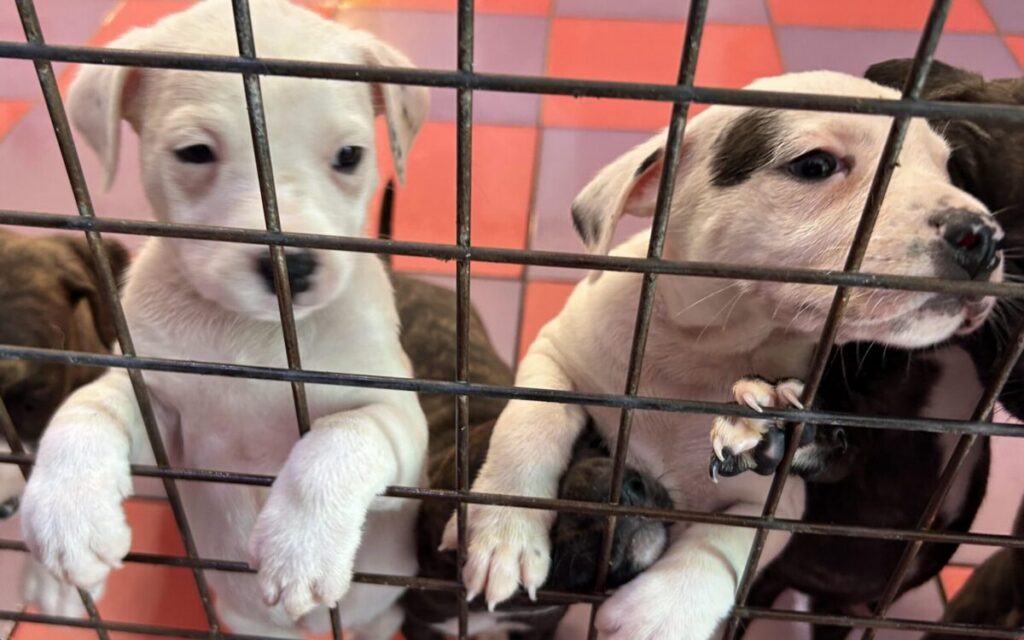
Looking to adopt a rescue dog? Credit: EWN
Thinking of bringing home a rescue dog? It’s something that can be highly rewarding as long as you know that Spanish law is stricter than a handshake at the kennel gate, and a serious charity will put you through more than a cuddle and a cash donation.
Spain’s Ley 7/2023 says formal adoption can only be carried out by a public animal-protection centre or a registered animal-protection organisation. A private owner can make a free transfer, but it must be done in writing, and the animal must already be properly identified as required by law.
A private transfer is legally different from an adoption, while anyone taking on a rescue dog should make sure the change of ownership is properly recorded afterwards. Dogs, cats and ferrets also cannot legally be transferred before they are eight weeks old.
ACE-SHIN in Mijas is one of the Costa del Sol’s most established animal rescues. Founder Fabienne Paques turned an old municipal killing station into a no-kill centre that now cares for hundreds of dogs and cats and relies on donations.
How a proper adoption runs
Start with a registered ‘protectora’ or your town’s ‘centro de proteccion animal’. In many cases, the rescue organisation will then arrange a home visit. That is their filter, not a government exam: family circumstances, garden, hours alone, other pets and whether your accommodation is suitable can all come into the conversation.
Expect to show a DNI or NIE and proof that you live in Spain and are not just in the country temporarily. Tourists on a two-week holiday are unlikely to be approved for a dog. If you rent, checking your tenancy agreement and getting the landlord’s agreement in writing is sensible before bringing an animal home. Building or tenancy rules may impose restrictions, although these are not general Spanish animal-adoption requirements.
After a firm yes in writing, you sign a contract. You promise vet care, no breeding, no dumping and to tell the rescue if the dog is lost or dies. Many contracts also allow the charity to take the animal back if you seriously breach those terms.
A proper adoption should also come with available information about the animal’s background and characteristics, together with veterinary paperwork detailing treatments, care and the responsibilities being taken on by the new owner.
What the dog must leave with … and what you pay
Dogs being adopted must be properly identified and registered as required by law, with their veterinary care up to date. Sterilisation is required for adopted animals unless their age or health means it is not yet appropriate. If a puppy is still too young, the adopter can commit to having it done later and provide proof.
Some of the best rescue centres currently ask for a €350+ adoption contribution for dogs adopted within Spain. The same contribution applies to dogs over 10 and rehomed dogs, while the figure is higher for adoptions to other European countries. A lot of the price is a contribution such as helping cover the veterinary treatment, care, rescue and other costs involved in preparing animals for adoption.
Smaller groups may ask for around €100 to €250, while some municipal centres may charge little or nothing beyond veterinary work already carried out.
Indicative costs include around €43 for a microchip and registration, €18 for an EU passport, €60 for vaccinations including rabies, tens of euros for leishmania and other blood tests, and around €200 to €400 for neutering depending on the dog’s size.
Ask for the passport and paperwork confirming the chip and ownership details. In Andalucia, the new owner has up to one month after acquiring the animal to register it in the municipal council register. Keep the paperwork safe, particularly if you later travel with the dog or need to prove ownership.
Extra rules if the dog is on the PPP list
Pit-bull type dogs, Rottweilers, Dogo Argentinos and the other breeds and types covered by the potentially dangerous dog rules need a local licence before you can legally keep and walk them.
In most places, applicants must be over 18 and provide, among other things, the required criminal-record documentation and a psychophysical fitness certificate. Third-party liability insurance of at least €175,000 is also required.
A suitable muzzle and a non-extensible lead no longer than one metre are compulsory when these dogs are being walked in public. PPP insurance is therefore not something to leave until after the dog comes home.
For regular dogs, the national liability-insurance requirement introduced by Ley 7/2023 still awaits the necessary implementing regulations.
Life after you take them home
Budget €60 to €150 a month for food depending on the size of the dog, preventatives and routine veterinary care. Costs can rise considerably if treatment for leishmania or another condition is needed. Costa vets see leishmania regularly, and some rescues have dogs tested before adoption, although this is not something to assume.
New owners are often advised to take things gently during the first few weeks. A rescue dog may need time to adjust to a completely different environment, while kennel life can mean poor muscle condition, unfamiliar household routines or toilet-training problems.
Food changes can also cause temporary tummy upsets, so switching diets gradually is generally kinder on the dog’s stomach. House training may need to be rebuilt after months or years in a kennel environment.
Found a lost or abandoned dog in Spain? It is not automatically yours
If you find a dog in the street, do not assume it is free to take home. Take it to a vet or the municipal animal collection service so the chip can be scanned. The police can also help if necessary.
A lost dog may still have a legal owner, even if it has been wandering for some time. Taking it home and treating it as your own without checking its identification can create problems for both the finder and the original owner.
Want to help without taking an animal?
Adoption is not the only way to help. To see if owning a dog is for you, volunteering to walk dogs, wash them, foster an animal or donate food can all make a real difference to a busy rescue centre and give you an idea of if you are ready to take on a four-legged friend.
Spain continues to deal with a huge number of abandoned and unwanted pets every year. One carefully matched home can change a rescue dog’s entire life, and its new owner’s, and it is far better than choosing a puppy simply because its photograph went viral online.
Follow Euro Weekly News on Google News
Get breaking news from Spain, travel updates, and expat stories directly on your Google News feed.
Follow on Google NewsSign up for personalised news
Subscribe to our Euro Weekly News alerts to get the latest stories into your inbox!
By signing up, you will create a Euro Weekly News account if you don't already have one. Review our Privacy Policy for more information about our privacy practices.





Adam Woodward
Adam is a writer who has lived in Spain for over 25 years. With a background in English teaching and a passion for music, food, and the arts, he brings a rich personal perspective to his work at Euro Weekly News. As a father of three with deep roots in Spanish life, Adam writes engaging stories that explore culture, lifestyle, and the everyday experiences that shape communities across Spain.
Comments