Urgent beach warnings after dangerous Portuguese man o’ war wash ashore
By Lottie Verrier • Published: 31 Aug 2026 • 10:49 • 2 minutes read
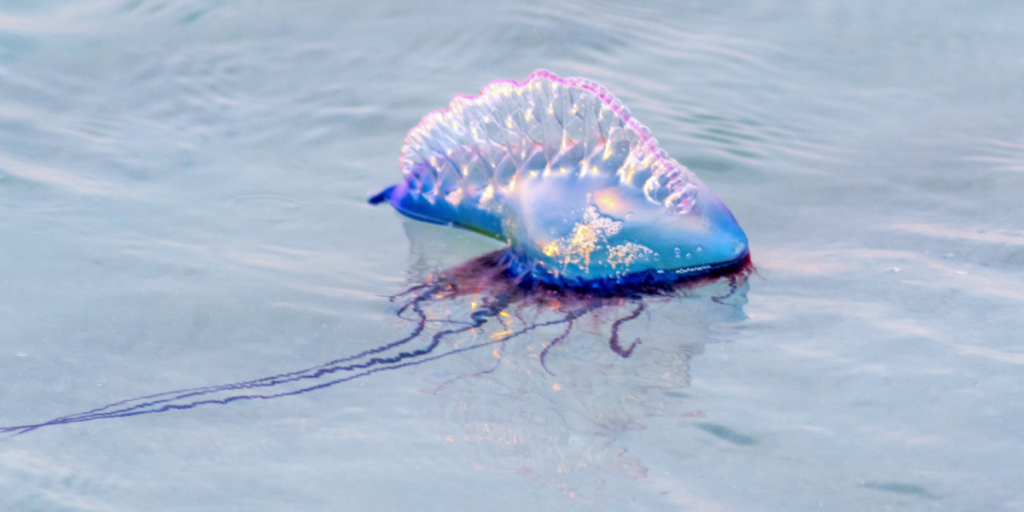
Warnings issued for Levante and Santa Bárbara beaches in La Línea de la Concepción Credit: Shutterstock/BSG_1974
Beach days are supposed to be all about warm sand, cooling swims and switching off in the sunshine. But relaxing by the sea becomes a very different experience when you are constantly scanning the water and shoreline for something that could leave you in agony.
That is the concern facing beachgoers in southern Spain after large numbers of Portuguese man o’ war have washed ashore at two popular beaches in La Línea de la Concepción. The striking blue-purple creatures may look unusual, but their long venomous tentacles can deliver an intensely painful sting, with victims describing a sudden burning sensation followed by severe pain and angry red marks on the skin.
Local authorities have issued a warning after mass arrivals were reported at Levante and Santa Bárbara beaches, urging residents and visitors not to touch the creatures, even if they appear to be dead on the sand.
Beaches under close watch
Municipal workers began removing the creatures from the shoreline after large numbers were spotted on the sand. Officials have warned beachgoers not to touch them under any circumstances, even if they appear dead, as their tentacles can remain venomous long after washing ashore.
Authorities believe recent weather conditions and sea currents have carried the jellyfish towards the coastline. They have warned that more could arrive over the coming days if conditions remain unchanged.
Although the beaches have not been permanently closed, visitors are being asked to remain vigilant and follow any instructions from lifeguards or local authorities.
Why Portuguese man o’ war are so dangerous
Unlike common jellyfish, Portuguese man o’ war can trail tentacles stretching several metres beneath the water’s surface. Their sting injects a powerful venom that causes immediate, intense pain and can leave raised red welts on the skin.
Most stings are not life-threatening, but some people can experience severe allergic reactions, breathing difficulties or other medical complications requiring urgent treatment. Children, older people and anyone with underlying health conditions are considered more vulnerable.
Experts stress that even detached tentacles or stranded specimens should never be handled.
What to do if you are stung
If you are stung, experts recommend leaving the water immediately and rinsing the affected area with seawater rather than fresh water, which can trigger more venom release. Any visible tentacles should be carefully removed using tweezers or another object, avoiding direct skin contact.
Medical advice should be sought if the pain is severe, spreads beyond the sting site, or if symptoms such as difficulty breathing, dizziness or chest pain develop. Folk remedies such as vinegar or urine are not recommended for Portuguese man o’ war stings and may make the injury worse.
With warm summer seas continuing to attract beachgoers across Spain, authorities are reminding people to pay attention to warning flags and lifeguard advice. A quick glance along the shoreline before entering the water could help prevent a painful encounter with one of the Mediterranean’s most dangerous marine visitors.
Follow Euro Weekly News on Google News
Get breaking news from Spain, travel updates, and expat stories directly on your Google News feed.
Follow on Google NewsSign up for personalised news
Subscribe to our Euro Weekly News alerts to get the latest stories into your inbox!
By signing up, you will create a Euro Weekly News account if you don't already have one. Review our Privacy Policy for more information about our privacy practices.



Lottie Verrier
Lottie Verrier is a journalist and digital media specialist based in Mallorca. After a decade in London media, including a role as Deputy Editor for the MailOnline’s eCommerce division, she now combines her editorial expertise with a passion for the island to create engaging content that celebrates the best of life in Spain. Instagram @lottieinmallorca
Comments