Cat lovers unite, hundreds take to the streets of Palma to demand action for Spain’s community cats
By Lucy Ramnought • Updated: 28 Sep 2026 • 16:34 • 2 minutes read
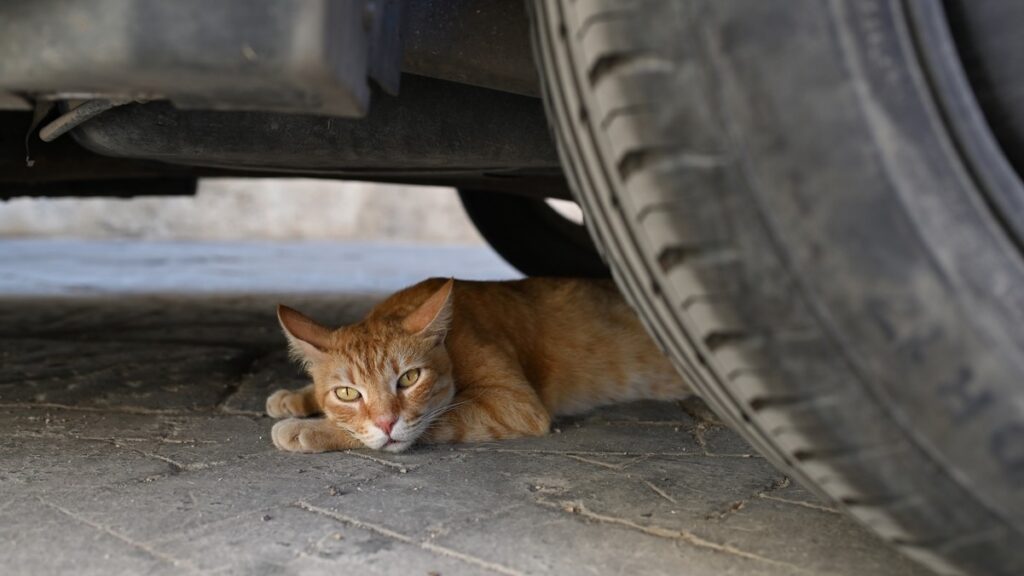
Stray cats need help Credit: Maryna Postryhan/shutterstock
Throughout Spain caring for a colony of street cats has become a labour of love for many, but campaigners say volunteers should not have to carry responsibilities that Spanish law assigns to local authorities.
Hundreds of people gathered in Palma on Sunday, September 6, as part of a nationwide campaign demanding that Spain’s animal welfare legislation is properly enforced and that community cat colonies receive the management and protection required by law.
The ‘Los Gatos Tienen Ley’ (‘Cats Have Rights Under the Law’) campaign held a demonstration in Palma where hundred and hundreds of people turned up to support.
Palma protest focuses on the felines
Starting at 12am in Plaza de España, the Palma march continued through the city before finishing at Plaza de Cort, where organisers read a manifesto calling for greater action from the authorities. Demonstrations also took place elsewhere in Spain, reflecting frustration among people involved in managing feline colonies, with protests including in Ibiza and Formentera.
Campaigners argue that the central problem is the uneven implementation of rules introduced under Spain’s Law 7/2023 on the Protection of the Rights and Welfare of Animals and not a lack of legislation.
What does Spain’s animal welfare law say about cats?
Law 7/2023 contains specific provisions covering community cats and feline colonies. Under Article 39, local authorities are responsible for managing community cats and must establish feline colony management programmes, unless regional legislation provides otherwise. Those programmes include identifying and recording colonies, controlling populations through sterilisation, providing veterinary care and ensuring community cats are microchipped.
Local authorities can work with registered animal protection organisations to implement these programmes, allowing volunteers and specialist groups to play an important role. However, campaigners stress that cooperation does not mean volunteers should effectively replace these services. The legislation establishes responsibilities for local authorities, including veterinary care for community cats requiring treatment.
Why are volunteers demanding more support?
People who manage colonies say they frequently provide food, arrange veterinary treatment and help organise sterilisation, sometimes with limited public support. Campaigners want councils to provide properly structured programmes, adequate resources, monitoring and closer cooperation instead of relying on individuals to fill gaps in the system.
Balearic island has thousands of feline colonies
The issue is particularly serious in the Balearic Islands. Figures published this year recorded 1,759 feline colonies across the islands, although the actual number is thought to be higher. Authorities have also been working to increase sterilisation as part of efforts to control colony populations.
Palma campaginers are not asking for another law, they are just demanding the legislation already in place be put into practice, and for local authorities, rather than unpaid volunteers alone, to take responsibility for making that happen.
Follow Euro Weekly News on Google News
Get breaking news from Spain, travel updates, and expat stories directly on your Google News feed.
Follow on Google NewsSign up for personalised news
Subscribe to our Euro Weekly News alerts to get the latest stories into your inbox!
By signing up, you will create a Euro Weekly News account if you don't already have one. Review our Privacy Policy for more information about our privacy practices.




Lucy Ramnought
Lucy Ramnought is a local news writer and mother of 4 from the UK who has lived in the Costa Del Sol for just over 4 years. With a background in content writing and social media for various companies, and with vast experience in PA and project management, Lucy is committed to producing accurate, engaging and reliable stories to her work at Euro Weekly News.
Comments