Couple fined €1,200 in Barcelona despite never having driven there
By Molly Grace • Published: 11 Nov 2026 • 18:47 • 3 minutes read
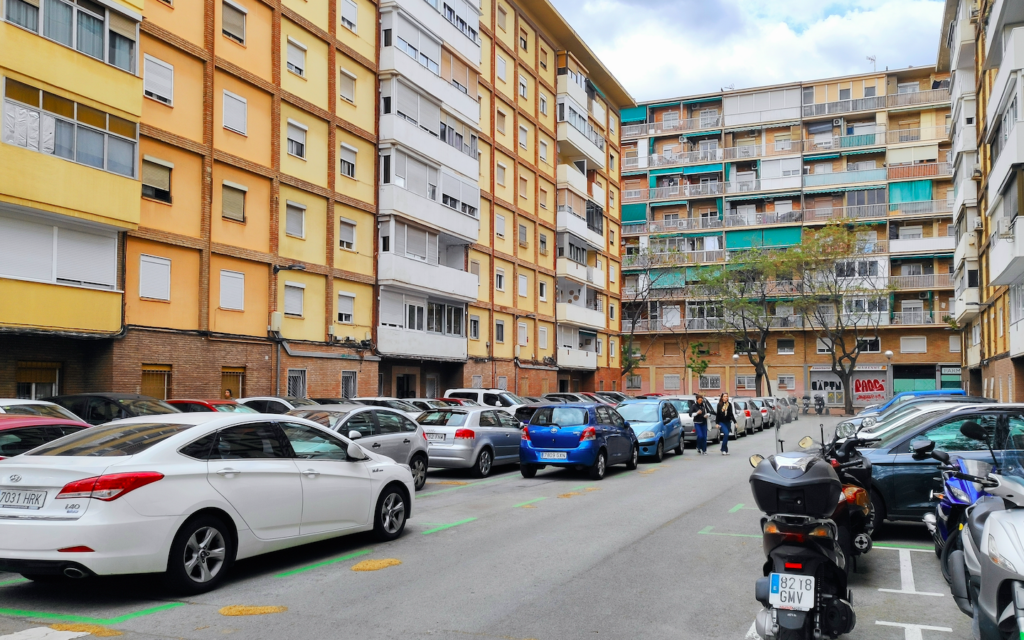
The first three penalties were successfully challenged and withdrawn. Photo credit: Alen Martisol/Shutterstock
A trip to the postbox has become a source of anxiety for a retired couple in Galicia after Barcelona City Council repeatedly accused them of driving illegally in the Catalan capital, despite their car never having left their home province. Carmen and José, both 78, have received six traffic fines totalling €1,200 for alleged journeys they insist they never made. The first penalty arrived in September 2024. Since then, five more have followed, each demanding €200 for entering Barcelona’s Low Emission Zone (ZBE) without the necessary environmental authorisation.
Although all six fines have now been cancelled, the couple are still worried that another could arrive at any time. “We are desperate,” José explained, describing how the situation has left them bewildered. The couple live in Bueu, in Pontevedra, and say their Audi A4, which is more than 20 years old, is only used for getting around their local area.
Six fines for journeys they never made
The penalties relate to three different locations in Barcelona: three alleged journeys along Travessera de les Corts, two on Avenida de Madrid and another on Avenida Paral·lel. José says the car does not leave Pontevedra province, making the accusations particularly difficult for the couple to understand. They initially had no idea how to challenge the fines and turned to a local gestoría in Bueu for help.
Francisco José Domínguez, who took on their case, began examining the evidence supplied with the penalty notices. One photograph appeared to offer a possible explanation for the repeated mistakes. According to Domínguez, the image shows what appears to be a tractor or trailer, rather than the couple’s Audi. Part of the registration plate is difficult to make out, and he suspects this may have led to the wrong vehicle being identified.
A registration plate may hold the answer
There is a small but important difference between Spanish registration plates for ordinary cars and those used on agricultural tractors. Both follow a similar combination of letters and numbers, but standard cars have the distinctive blue strip bearing the European Union flag and the letter E. Domínguez believes that a partially obscured letter could have caused the automatic recognition system to mistake another vehicle’s registration for the one belonging to Carmen and José. The gestoría does not believe the couple have been victims of identity theft. Instead, it suspects an error in the identification process, although the exact cause has not been established.
The first three penalties were successfully challenged and withdrawn by Barcelona City Council after the gestoría submitted appeals, including a specific request for the registration numbers to be checked. However, the matter did not end there. This year, the couple received another three fines for the same alleged offences, bringing the total to six and leaving them facing the prospect of having to challenge the same mistake all over again.
Barcelona admits a possible camera error
Barcelona City Council has attributed the problem to what it describes as a possible ‘one-off error’ in the reading of the registration plate. The city’s Low Emission Zone enforcement system uses cameras to photograph vehicles entering restricted areas. The images are then sent to the Barcelona Metropolitan Area (AMB), which checks whether the vehicle has permission to circulate or qualifies for an exemption. If the system identifies a vehicle without the required authorisation, the case is passed to the Institut Municipal d’Hisenda, which processes the penalty and sends the notification to the registered owner.
In this case, the council’s explanation points to an error during the initial identification process. However, the fact that three further fines were issued after the first batch had already been cancelled has raised questions about why the problem was not identified and corrected earlier. The council also maintains that the vehicle shown in the photograph cannot be a tractor, as tractors are not permitted to use the roads where the alleged offences took place.
€150 out of pocket despite winning their appeals
Although Carmen and José have escaped the €1,200 in penalties, fighting the accusations has not been entirely free. Their gestoría requested €150 in compensation from Barcelona City Council to cover the costs of preparing and submitting the paperwork needed to challenge the fines. That request was rejected.
The couple have therefore been left with the expense and frustration of defending themselves against six alleged traffic offences, none of which they say they committed. Domínguez has also questioned how the council could continue issuing penalties after cancelling the original three without identifying what had gone wrong.
The real driver may still be getting away with it
He described the situation as almost unbelievable, particularly given that the same registration-plate problem appeared to have continued unnoticed. The six fines have now been withdrawn, but there is still one question hanging over the case: who is actually driving the vehicle whose registration appears to have been confused with the couple’s Audi?
While Carmen and José have spent months dealing with fines for journeys they say they never made, the driver responsible for the Barcelona offences may still be going about their business without knowing anything about the confusion. As Domínguez pointed out, the real offender is potentially still driving around without a clue that someone else has been receiving their fines.
Follow Euro Weekly News on Google News
Get breaking news from Spain, travel updates, and expat stories directly on your Google News feed.
Follow on Google NewsSign up for personalised news
Subscribe to our Euro Weekly News alerts to get the latest stories into your inbox!
By signing up, you will create a Euro Weekly News account if you don't already have one. Review our Privacy Policy for more information about our privacy practices.





Molly Grace
Molly is a British journalist and author who has lived in Spain for over 25 years. With a background in animal welfare, equestrian science, and veterinary nursing, she brings curiosity, humour, and a sharp investigative eye to her work. At Euro Weekly News, Molly explores the intersections of nature, culture, and community - drawing on her deep local knowledge and passion for stories that reflect life in Spain from the ground up.
Comments