Italy school scare: Hundreds evacuated as tensions rise throughout Europe
By Adam Woodward • Published: 11 Nov 2026 • 15:39 • 3 minutes read
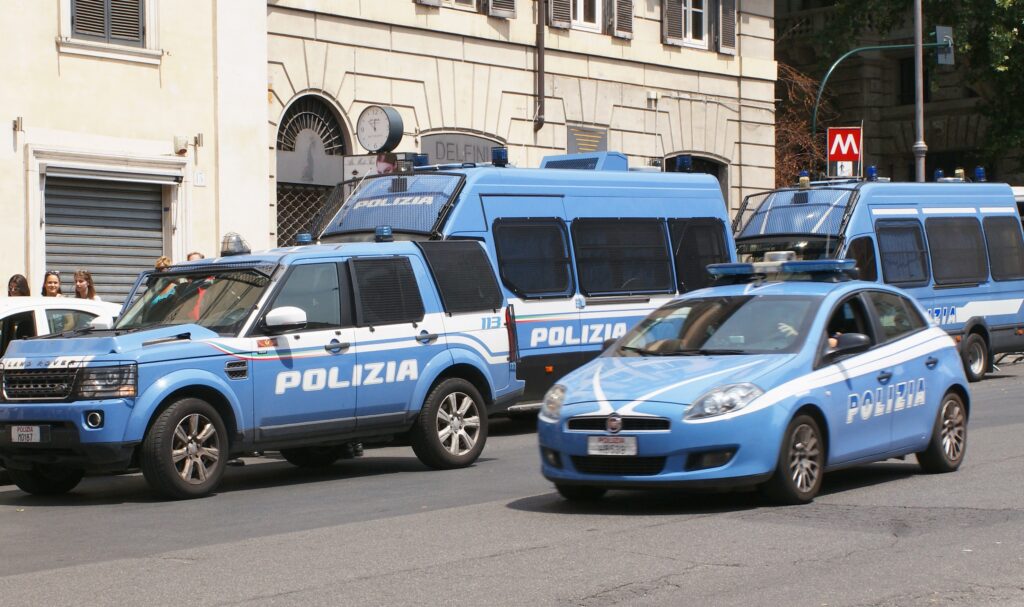
Italian police on high alert. Credit: AnMenshikova - Shutterstock
Bomb threats targeting schools add to growing concerns about security and disruption across Europe.
Hundreds of schools across Italy were evacuated on Wednesday, November 11, after receiving emails claiming explosive devices had been planted inside their buildings, adding to growing concerns about security threats affecting countries across Europe.
Around 6,300 Italian schools reportedly received the threatening messages, with at least 300 evacuations carried out as police investigated the claims and emergency procedures were activated.
The emails also contained a threat against Italian Prime Minister Giorgia Meloni, claiming a bomb had been placed in her car. They were signed by someone identifying himself as Mikhail Andropov, leader of the self-proclaimed Vilayat of Misoginistan. Similar messages have been received by schools in Scotland, Northern Ireland and the Republic of Ireland, while the same purported sender’s name has appeared in recent threats against broadcasters in Ireland and Bulgaria.
Italian authorities have so far found no evidence of an actual bomb threat being carried out. Investigations are continuing, with officials examining whether the messages form part of a wider campaign intended to cause fear and disruption.
The incidents follow a series of bomb threats affecting European aviation, with aircraft diverted or subjected to security checks. Recent bomb scares targeting flights from Spain and Britain have also prompted major security operations, as well as other reported attacks and threats involving public services and businesses.
Europe tells households to prepare for emergencies
The latest incidents come as the European Commission steps up its campaign encouraging citizens to prepare for major emergencies. On November 3, the Commission published new European emergency preparedness guidelines, urging households across the EU to be capable of looking after themselves for at least 72 hours during a serious disruption.
The recommendations include keeping supplies of drinking water, non-perishable food, essential medicines and first-aid equipment, as well as a torch, batteries, a radio, a mobile phone power bank and some cash. The plan is to give emergency services and public authorities time to organise assistance if essential services become unavailable.
The advice forms part of the EU’s Preparedness Union Strategy, introduced in March 2025, which addresses a wide range of potential emergencies, including natural disasters, cyberattacks, infrastructure failures and geopolitical crises.
EWN previously examined what the EU recommends putting in a 72-hour emergency survival kit, including the basic supplies families should keep at home.
Is Europe preparing for a wider security threat?
The Italian schools threat is just one such alert in a line of recent bomb threats throughout Europe. One of the growing concerns among European governments is the possibility of so-called hybrid warfare. This describes activities designed to disrupt or destabilise countries without conventional military action. They can include cyberattacks, sabotage, disinformation and attempts to undermine public confidence in institutions.
Recent incidents have raised questions about whether some of the threats affecting European schools, airlines and broadcasters could be connected. Russia has been accused by European governments of involvement in various hybrid operations, particularly targeting countries supporting Ukraine. However, no responsibility has been established for the latest school bomb threats, and investigators have not confirmed who is behind them.
What should British residents in Spain do?
The European Commission’s 72-hour recommendations also apply to households in Spain, including the millions of foreign residents living across the country.
While the advice is not a warning that a major emergency is imminent, it reflects a growing recognition that households should be prepared for temporary interruptions to everyday services. Spain experienced a reminder of how quickly normal life can be disrupted during the nationwide blackout in April 2025.
For residents in Spain, having drinking water, basic food supplies, essential medication and a way of receiving emergency information could prove useful during anything from severe flooding or wildfires to a major power outage. The Commission is also encouraging preparedness education in schools and better communication of risks to the public.
Its message is that emergency planning should not be left entirely to governments and rescue services. Ordinary households also have a role in making sure they can cope during the first hours and days of a crisis.
Follow Euro Weekly News on Google News
Get breaking news from Spain, travel updates, and expat stories directly on your Google News feed.
Follow on Google NewsSign up for personalised news
Subscribe to our Euro Weekly News alerts to get the latest stories into your inbox!
By signing up, you will create a Euro Weekly News account if you don't already have one. Review our Privacy Policy for more information about our privacy practices.



Adam Woodward
Adam is a writer who has lived in Spain for over 25 years. With a background in English teaching and a passion for music, food, and the arts, he brings a rich personal perspective to his work at Euro Weekly News. As a father of three with deep roots in Spanish life, Adam writes engaging stories that explore culture, lifestyle, and the everyday experiences that shape communities across Spain.
Comments