150 Guardia Civil officers storm Gibraltar border towns in dawn raid on cocaine gang
By Harry Dennis • Published: 10 Sep 2026 • 11:03 • 2 minutes read
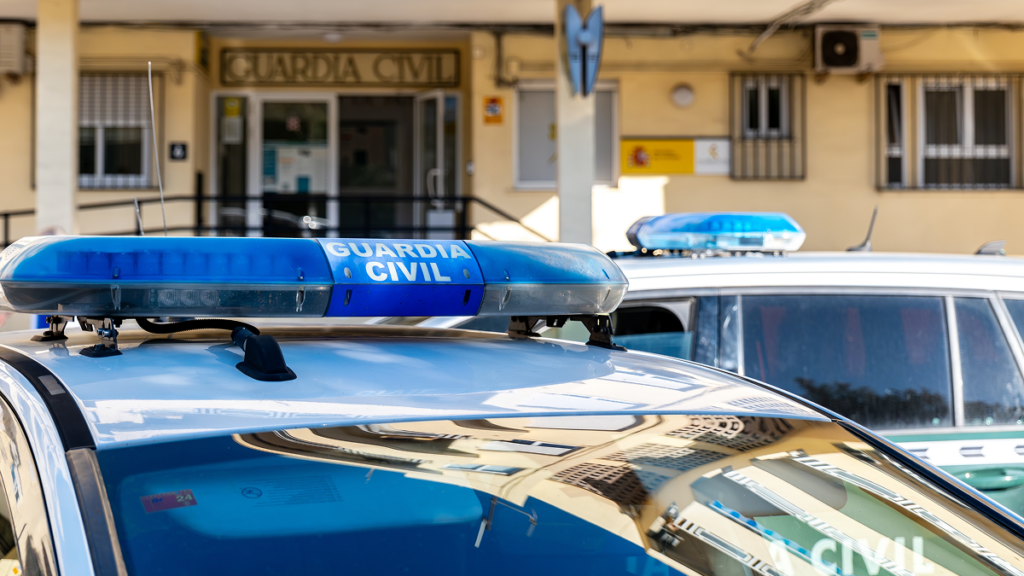
150 officers, nine raids, seven arrests. Credit: SSKH-Pictures / Shutterstock
Nine doors were forced open across three towns just a few miles from the Gibraltar border thousands of Britons cross weekly. Guardia Civil says the seven arrests made so far may not be the last, with searches still under way.
Nine addresses raided in a single morning
Almost 150 Guardia Civil officers moved in before dawn on Tuesday September 8, hitting nine addresses across Algeciras, San Roque and La Línea de la Concepción in a coordinated strike against a suspected cocaine trafficking network.
Seven people were arrested as the raids got under way. Most of the properties searched, seven of the nine, were in Algeciras, including a flat on Calle Ponce de León in the Saladillo neighbourhood. One further address was searched in San Roque and another in La Línea de la Concepción, on the frontier with Gibraltar.
Guardia Civil has named the investigation Operación Uroboros. Two days on, the force says the seven arrests are provisional and the total could still rise as officers continue searching properties and analysing whatever was seized inside them.
Why Campo de Gibraltar keeps drawing cocaine traffickers
Campo de Gibraltar’s mix of a working port, the narrow shipping lanes of the Strait and the border with Gibraltar has long made it one of Spain’s busiest entry points for drugs, and this is not the first time a large network has been dismantled in the district. Guardia Civil broke up a criminal gang running cocaine through the same area in 2023, while more than two tonnes of the drug were once found hidden inside tuna cans at the Port of Algeciras.
The comarca (the district covering all three towns) sits at the centre of a dedicated Interior Ministry security plan that has been running since 2018. Police pressure on trafficking networks in the area rose by 43 per cent in 2024 compared with the previous year, according to the ministry, with more than 12,000 operations carried out and nearly 6,000 arrests for trafficking or smuggling offences. Officers working under that plan, which since January 2024 has also covered Huelva, Málaga, Granada, Almería and Sevilla, seized more than 44 tonnes of cocaine and over 150 tonnes of hashish across the six provinces that year.
Prosecutors and the courts were involved before a single charge was filed
Tuesday’s raids were coordinated with the Fiscalía Antidroga (the Anti-Drug Prosecutor’s Office) and Campo de Gibraltar’s Juzgado de Instrucción número 2, the investigating court that examines evidence and authorises searches before any case reaches trial. This level of judicial oversight from the outset is typical for an operation of this scale, and points to weeks or months of preparatory work before officers even knocked on a door.
The case remains open, with more arrests possible
Guardia Civil has not released any detail on what was found inside the nine properties, or on the ages, nationalities or roles of the seven people held. With searches still active as of Thursday, investigators are wary of alerting anyone connected to the network who has not yet been arrested, therefore the lack of information shared to the public is deliberate.
For residents and visitors on both sides of the border, the raids are a reminder that the frontier towns feeding into Gibraltar remain squarely on the radar of one of Spain’s biggest anti-narcotics operations. Guardia Civil says further details, including any seizure figures, will follow once the investigation concludes.
Follow Euro Weekly News on Google News
Get breaking news from Spain, travel updates, and expat stories directly on your Google News feed.
Follow on Google NewsSign up for personalised news
Subscribe to our Euro Weekly News alerts to get the latest stories into your inbox!
By signing up, you will create a Euro Weekly News account if you don't already have one. Review our Privacy Policy for more information about our privacy practices.



Harry Dennis
Born in the UK and raised on the Cádiz coast, Harry brings his background in design, music, and photography to his writing for Euro Weekly News, sharing stories that celebrate culture and lifestyle across Spain and beyond.
Comments