University of Granada offers rare chance to excavate 5,000-year-old Almería site
By Molly Grace • Published: 20 Sep 2026 • 23:01 • 2 minutes read
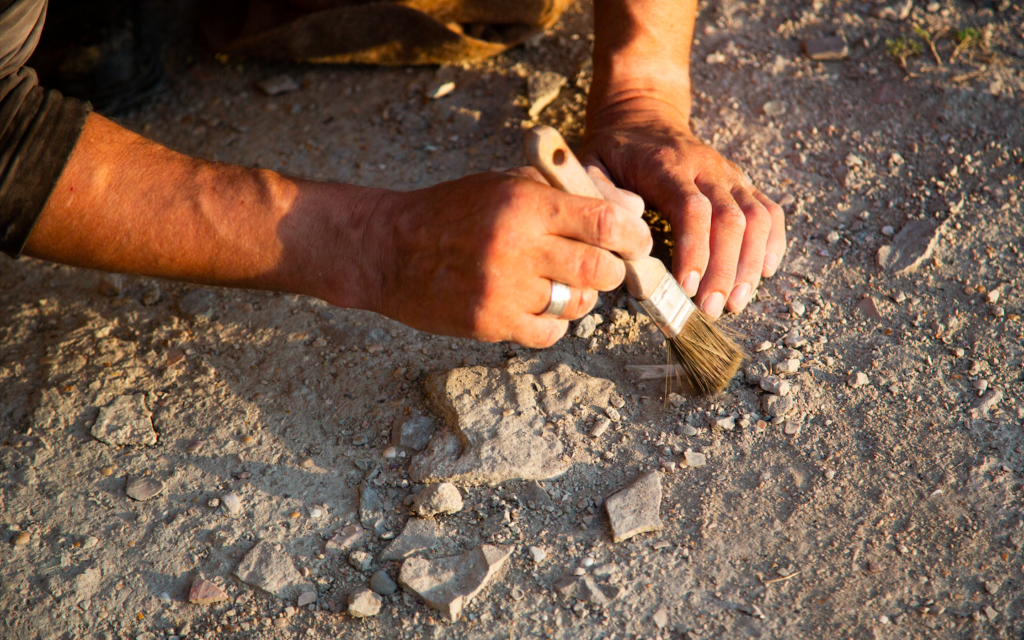
Volunteers won't simply be standing around watching the experts work. Photo credit: Kostyantyn Skuridin/Shutterstock
If you’ve ever dreamed of being an archaeologist, now is your chance, and look no further because the University of Granada is offering the opportunity to get your hands dirty uncovering the secrets of a 5,000-year-old archaeological site in Almería, with accommodation and meals thrown in.
The university is looking for volunteers to join its latest excavation campaign at Los Millares, the remarkable prehistoric settlement near Santa Fe de Mondújar. The site dates back more than 5,000 years and has given archaeologists an extraordinary glimpse into life in the Copper Age. For anyone fascinated by ancient history, it is about as close as you can get to discovering the past for yourself rather than simply reading about it.
A 5,000-year-old mystery beneath your feet
Los Millares was far more than a small prehistoric settlement, more than 1,000 people are believed to have lived there, with the community protected by four concentric defensive walls. The surrounding landscape also contains as many as 13 forts, while the settlement’s huge necropolis covers around 13 hectares and contains roughly 80 collective tombs.
The people buried there were placed alongside objects including pottery, weapons and ornaments, giving researchers clues about their lives, beliefs and connections with communities further afield. And there is still plenty left to discover. The new excavation campaign is being organised by the University of Granada’s Department of Prehistory and Archaeology, with support from Almería City Council. The project forms part of ongoing research into how complex societies and social inequality developed in prehistoric south-eastern Iberia.
From ancient pottery to tiny fragments
Volunteers won’t simply be standing around watching the experts work. They will take part in the excavation itself, helping to remove and record layers of soil under archaeological supervision. They can also become involved in cleaning and classifying material recovered from the site, including pottery, metal, stone and bone objects. Other jobs include photographic documentation and sieving excavated soil to recover tiny pieces of archaeological evidence that could easily be overlooked.
It may not sound quite as glamorous as the archaeology you see on television, but those small fragments can be important when researchers are trying to piece together what happened at a settlement thousands of years ago. The campaign is scheduled to take place in October, giving participants the unusual chance to spend time working at one of Europe’s most significant Copper Age sites while archaeologists continue investigating its past.
And you don’t have to pay for the stay
There is another reason the opportunity is likely to catch the attention of history buffs: accommodation and meals are provided for selected volunteers during the excavation. That makes this rather different from simply booking an archaeological holiday and paying to participate. Instead, volunteers will be contributing to an active university research project and gaining first-hand experience of archaeological fieldwork.
The University of Granada is now accepting applications, with people interested in taking part asked to send their CV to doradoalejos@ugr.es. For anyone who has ever wondered what it would actually feel like to uncover something that has been hidden beneath Almería’s soil for thousands of years, this could be a rather extraordinary way to find out. Disclaimer: fedora hat, bullwhip, leather jacket and satchel are not included.
Follow Euro Weekly News on Google News
Get breaking news from Spain, travel updates, and expat stories directly on your Google News feed.
Follow on Google NewsSign up for personalised news
Subscribe to our Euro Weekly News alerts to get the latest stories into your inbox!
By signing up, you will create a Euro Weekly News account if you don't already have one. Review our Privacy Policy for more information about our privacy practices.

Molly Grace
Molly is a British journalist and author who has lived in Spain for over 25 years. With a background in animal welfare, equestrian science, and veterinary nursing, she brings curiosity, humour, and a sharp investigative eye to her work. At Euro Weekly News, Molly explores the intersections of nature, culture, and community - drawing on her deep local knowledge and passion for stories that reflect life in Spain from the ground up.
Comments