These two Spanish supermarkets have pushed prices above inflation
By Molly Grace • Published: 26 Sep 2026 • 22:34 • 3 minutes read
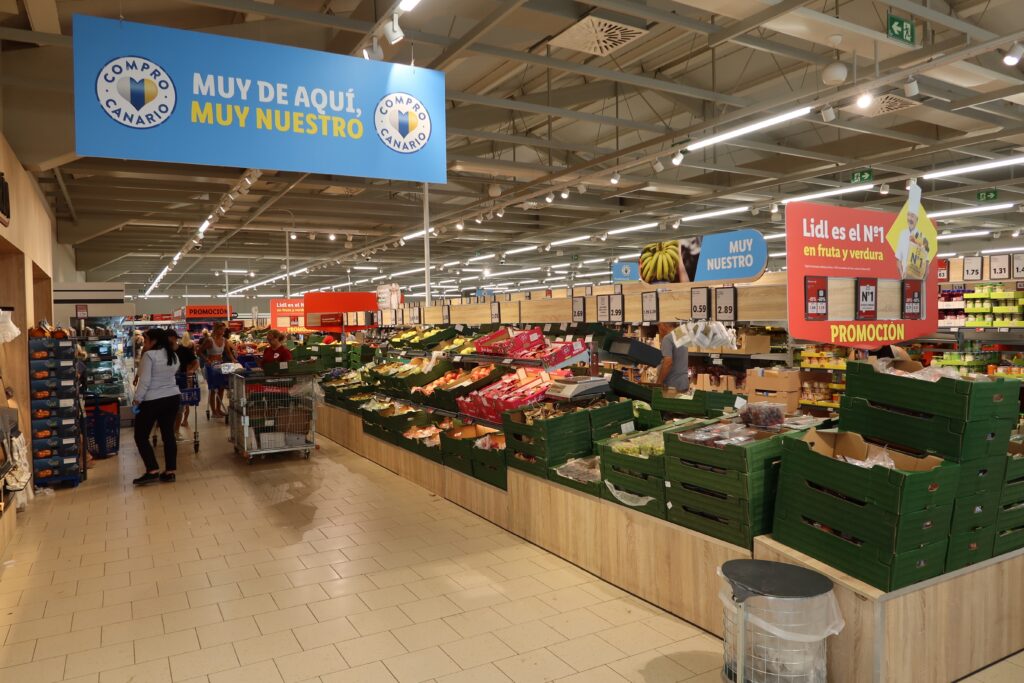
Prices increased by an average of just 1% between April 2025 and May 2026. Photo credit: Marco Gallo/Shutterstock
If your weekly supermarket bill seems to be creeping up faster than everything else, you might naturally blame inflation. But new figures show that shoppers at two major Spanish supermarket chains have faced price increases that went beyond the country’s overall inflation rate.
The difference is not enormous on a single shop, but over months of buying the same essentials, even a few percentage points can add up. The latest figures reveal which two chains moved above the inflation line while most of their competitors stayed below it.
Two chains stand out
Between April 2025 and May 2026, Spain’s general Consumer Price Index (CPI) increased by 3.2%. Over the same period, prices at BM Urban rose by 5.1%, while Ahorramás increased by 4.4%, according to the Organisation of Consumers and Users (OCU).
That means BM Urban’s increase was 1.9 percentage points higher than inflation, while Ahorramás was 1.2 percentage points above it. OCU identified these as the only two major supermarket chains in its comparison where overall prices increased faster than general inflation during the period examined.
BM Urban’s cheaper basket rose even more
The figure for BM Urban becomes particularly notable when OCU looks at its economic basket, which is made up of lower-priced products. Prices in this basket increased by 6.5% at BM Urban during the period studied.
That was considerably higher than the chain’s 5.1% overall increase, showing that the rise was not limited to more expensive products. It also stands out because OCU’s economic basket is designed to reflect the lower-priced options available to consumers. A rise of this size means that even the cheaper end of the supermarket’s range experienced substantial price increases during the comparison period.
These figures are not today’s inflation
There is an important date to bear in mind when looking at the figures. OCU’s supermarket comparison covers April 2025 to May 2026. The 3.2% CPI figure therefore describes inflation during that particular period and should not be confused with Spain’s current inflation rate, since then, annual inflation has continued to rise.
According to Spain’s National Statistics Institute (INE), it increased from 3.2% in June to 3.6% in July and 4.3% in August 2026. The August figure was therefore already higher than the 3.2% rate used in OCU’s supermarket comparison. That later increase was driven largely by higher energy and fuel prices, according to the INE, adding another source of inflationary pressure after the period covered by the supermarket study.
Most supermarkets stayed below inflation
Despite the increases recorded by BM Urban and Ahorramás, OCU found that the overall picture among the major supermarket chains was very different. Across the major chains included in its comparison, prices increased by an average of just 1% between April 2025 and May 2026.
That compares with the 3.2% increase in the CPI over the same period. OCU therefore found that only two of the major supermarket chains it examined had increased their overall prices faster than general inflation. The finding is significant because it shows that the inflation rate reported for the Spanish economy does not automatically translate into the same percentage increase at the supermarket checkout.
When supermarket prices outrun inflation
Inflation is a measure of how prices are changing across the economy as a whole. Supermarket prices form only one part of that picture, and individual chains can move above or below the national rate. For BM Urban and Ahorramás, OCU’s figures show that their overall price increases were already running faster than inflation during the period studied.
BM Urban’s 5.1% rise, and particularly its 6.5% increase for the economic basket, demonstrate how sharply prices can diverge from the headline inflation figure. And because the comparison ended in May, those figures cannot tell us what either chain is doing today. They do, however, provide a clear snapshot of how supermarket price increases were behaving as Spain moved through another period of rising inflation.
Follow Euro Weekly News on Google News
Get breaking news from Spain, travel updates, and expat stories directly on your Google News feed.
Follow on Google NewsSign up for personalised news
Subscribe to our Euro Weekly News alerts to get the latest stories into your inbox!
By signing up, you will create a Euro Weekly News account if you don't already have one. Review our Privacy Policy for more information about our privacy practices.





Molly Grace
Molly is a British journalist and author who has lived in Spain for over 25 years. With a background in animal welfare, equestrian science, and veterinary nursing, she brings curiosity, humour, and a sharp investigative eye to her work. At Euro Weekly News, Molly explores the intersections of nature, culture, and community - drawing on her deep local knowledge and passion for stories that reflect life in Spain from the ground up.
Comments