Rare twin oryx calves born at Terra Natura Murcia in huge conservation win
By Natascha Rivera • Updated: 30 Sep 2026 • 13:22 • 1 minute read
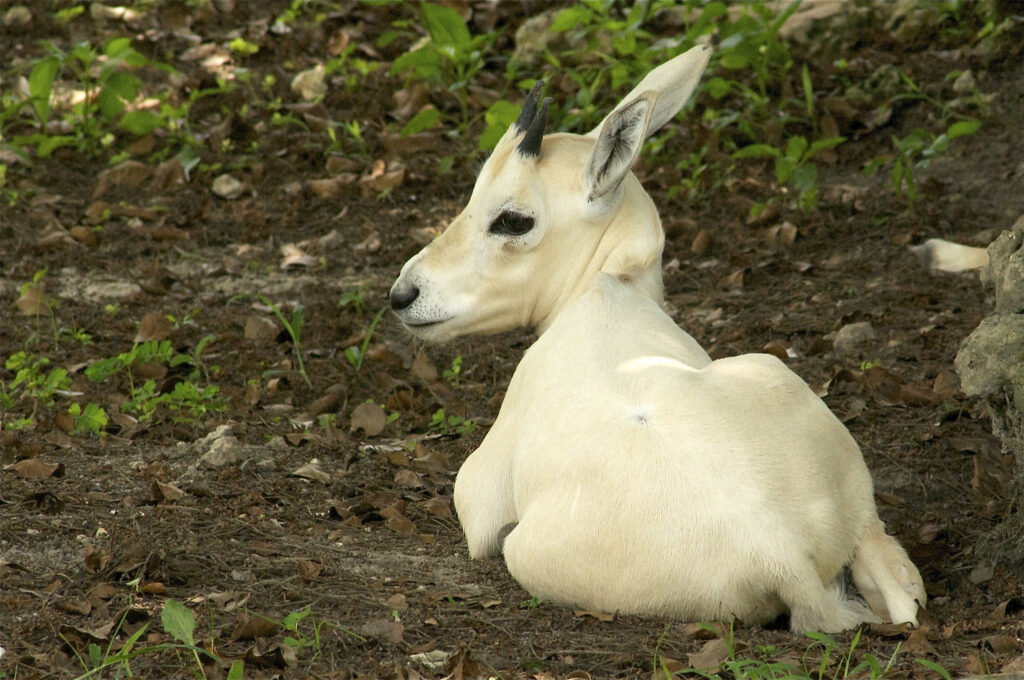
Terra Natura Murcia welcomes rare twin oryx calves, boosting conservation. Photo Credit: Ucumari Photography / Flickr
Two baby oryx calves have been welcomed at Terra Natura Murcia, a rare event and a major milestone for the park’s conservation. The park, located in Murcia and which boasts a spacious zoo and water park area, confirmed the successful arrival of the twin calves and that their herd of oryx has now reached 23 in number.
A major milestone for global wildlife conservation
The Murcia-based wildlife centre is heavily involved in international breeding programmes for endangered species, and the arrival of the healthy calves has marked a major success for the park. The species, once declared extinct in the wild, is now the focus of global recovery initiatives, with European parks like Terra Natura playing a vital role in the survival of these fascinating animals.
Specialised care for a rare twin birth
According to reports, both calves are in good health and are being closely monitored by the park’s specialist veterinary and animal care teams. Visitors may already be able to spot the pair alongside the rest of the herd, and the park is now offering a unique opportunity to see one of conservation’s most remarkable comeback stories in person.
The birth is particularly significant given the difficulties associated with breeding the species in captivity, especially when it comes to twin births, which are less common and require attentive care in the early stages. Staff are continuing to observe the calves’ development to ensure they thrive in their new home.
A dedicated centre for European endangered species
Located in the Espinardo area of Murcia, Terra Natura spans more than 165,000 square metres and is home to hundreds of animals across around 50 species, many of them endangered or part of international conservation programmes.
The park has cemented its reputation as a centre for education and conservation, participating in multiple European endangered species programmes and working alongside research institutions to support biodiversity and the protection of local and exotic wildlife.
The arrival of the twin calves offers another reason for visitors to explore the park this autumn, with the young oryx expected to remain a highlight attraction in the coming months as they grow and integrate fully into the herd.
Follow Euro Weekly News on Google News
Get breaking news from Spain, travel updates, and expat stories directly on your Google News feed.
Follow on Google NewsSign up for personalised news
Subscribe to our Euro Weekly News alerts to get the latest stories into your inbox!
By signing up, you will create a Euro Weekly News account if you don't already have one. Review our Privacy Policy for more information about our privacy practices.



Natascha Rivera
Natascha is a Dominican writer based in Spain with a background in audiovisual and marketing communication. A lifelong reader and passionate storyteller, she brings a creative edge to her work at Euro Weekly News. Her multicultural perspective informs her coverage of lifestyle and community stories, offering fresh angles and relatable storytelling that connects with a diverse audience.
Comments