Brussels warns Spain over 20-cent fuel discount as drivers face yet another price rise
By Molly Grace • Published: 07 Oct 2026 • 16:33 • 3 minutes read
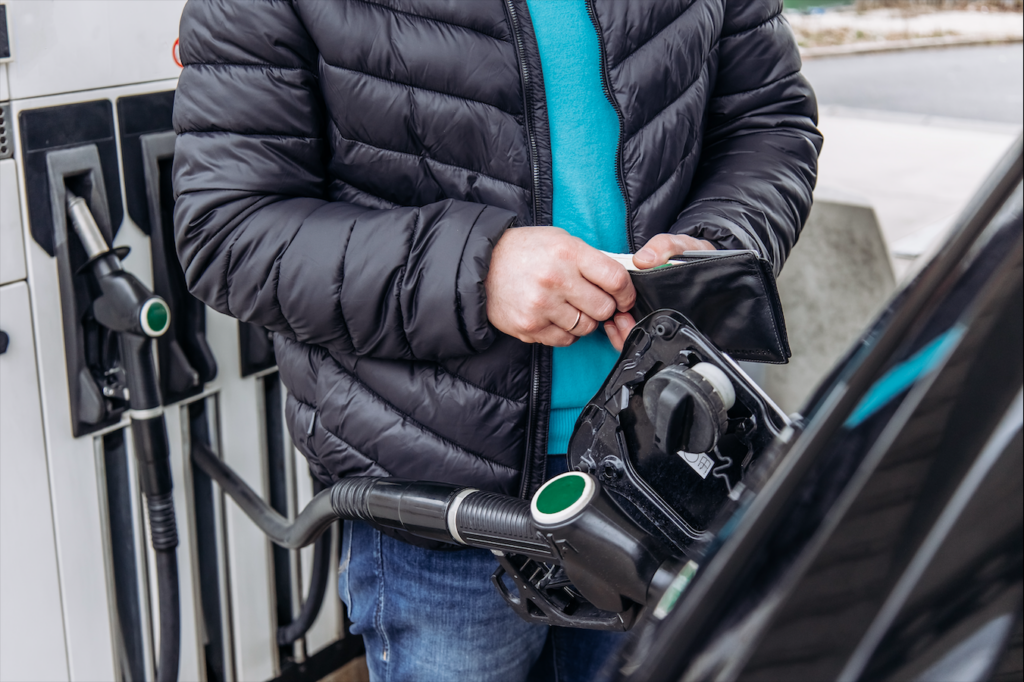
Brussels is pointing towards targeted support for households struggling with energy costs. Photo credit: Kej84/Shutterstock
For those of us who have watched fuel prices rise and fall, only for discounts to disappear and later reappear, there could be more bad news at the pump. Brussels is warning Spain, once again, to rethink the way it supports drivers, arguing that blanket fuel discounts are expensive and do not target the households that need help most.
The European Commission’s latest criticism comes just mere weeks after the Spanish government brought the 20-cent-per-litre reduction back for both petrol and diesel. The measure is currently due to become smaller over the next two months, unless fuel prices trigger the safeguard built into the scheme.
Brussels wants fuel help targeted
European Commission President Ursula von der Leyen criticised general fuel subsidies in the European Parliament on October 6, saying they increase demand, benefit higher-income households and create huge costs for public finances. Rather than reducing the price at the pump for everyone, Brussels is pointing towards targeted support for households struggling with energy costs. Von der Leyen cited energy vouchers used in France and Romania as examples of the approach the EU wants countries to consider.
Spain’s current measure works differently. The government has kept separate professional fuel support in place, meaning hauliers and other sectors are treated differently. The reduction applies to petrol and diesel purchased by consumers regardless of income, while separate measures exist for sectors including agriculture, fishing and professional transport. The argument from Brussels is not simply about how much drivers save. The Commission has also been pushing countries to reduce fossil fuel consumption and speed up the shift towards cleaner forms of transport. Lower fuel prices can encourage people to use more petrol and diesel, working against that longer-term objective.
What happens to the 20-cent discount?
For drivers in Spain, the immediate position has not changed. The government’s latest package reduced the Hydrocarbon Tax by 20 cents per litre during October. The scheduled reduction falls to 13 cents in November and six cents in December. There is a catch. If the price of petrol or diesel rises by more than 15 per cent year-on-year under the conditions set out in the law, the larger reduction can be restored for the relevant month.
The measure was approved on September 29 as part of the government’s response to the continuing energy shock linked to the conflict in the Middle East. The government said the tax reduction would help households and businesses cope with higher fuel costs. That means drivers are not facing an immediate removal of the 20-cent reduction because of the latest comments from Brussels. The Spanish measure remains in force under the timetable already approved. But the pressure from the EU adds another complication for Madrid as it decides what happens after the current emergency measures run their course.
Spain has already faced EU pressure
This is not the first time Brussels and Madrid have clashed over fuel support this year. EWN reported in April on the European Commission’s objections to Spain’s temporary cut in fuel VAT, which reduced the rate from 21 per cent to 10 per cent. That dispute concerned VAT rules rather than the current reduction through the Hydrocarbon Tax.
The latest disagreement is therefore about a different mechanism, but it comes against the same backdrop: how far governments should go in shielding motorists from unusually high energy prices while Europe tries to cut fossil fuel use. For drivers, the important date is not October 6 or the latest warning from Brussels. The current Spanish timetable runs through December, with the discount due to fall unless the safeguard is activated.
After that, motorists could face a very different calculation at the pumps if the government decides not to extend the measure. For households already spending more to fill the tank, even a few cents per litre can make a noticeable difference over the course of a month.
Follow Euro Weekly News on Google News
Get breaking news from Spain, travel updates, and expat stories directly on your Google News feed.
Follow on Google NewsSign up for personalised news
Subscribe to our Euro Weekly News alerts to get the latest stories into your inbox!
By signing up, you will create a Euro Weekly News account if you don't already have one. Review our Privacy Policy for more information about our privacy practices.





Molly Grace
Molly is a British journalist and author who has lived in Spain for over 25 years. With a background in animal welfare, equestrian science, and veterinary nursing, she brings curiosity, humour, and a sharp investigative eye to her work. At Euro Weekly News, Molly explores the intersections of nature, culture, and community - drawing on her deep local knowledge and passion for stories that reflect life in Spain from the ground up.
Comments