Electricity prices surge in Spain ahead of winter: these households could pay more
By Harry Dennis • Published: 07 Oct 2026 • 10:55 • 3 minutes read
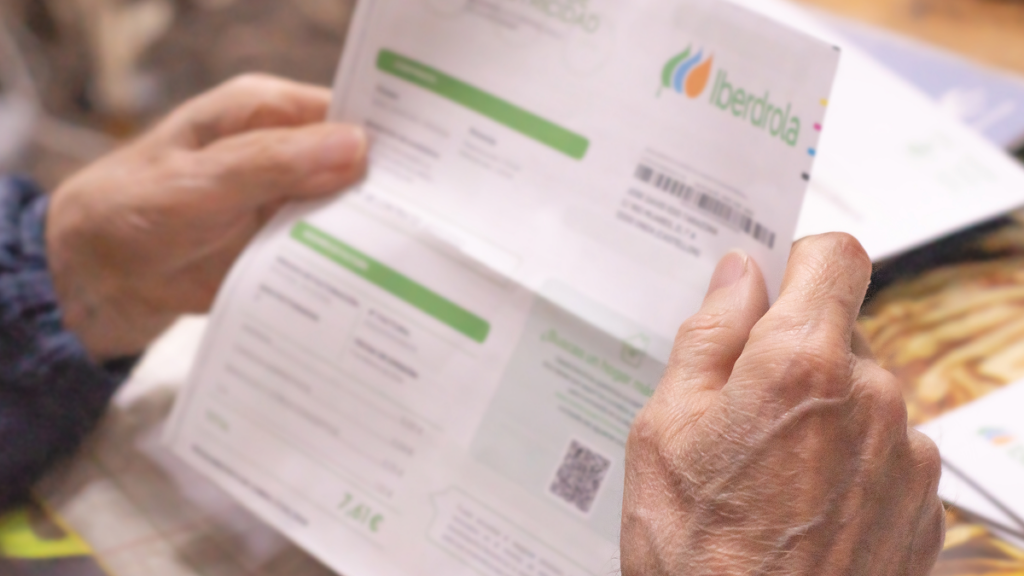
Winter electricity bills in Spain could depend on which tariff you're on. Credit: Tanyarico / Shutterstock
Households in Spain are about to switch the heating on, just as the wholesale electricity price has topped €200 for the first time since 2022. Yet that €200 isn’t your final bill, and whether you’ll feel it at all depends on one line of your contract.
Wholesale electricity topped €200 for the first time since 2022
The average price in Spain’s daily wholesale electricity market (where power is bought and sold the day before it’s used) reached €201.99 per megawatt hour (MWh) on Tuesday October 6, according to Energías Renovables. That’s the first daily average above €200 since Monday December 5, 2022, when it hit €209.30.
Prices swung through Tuesday, from €147.09 in the cheapest hour from 4pm to €281.31 between 9pm and 10pm. Sector sources point to higher demand and dearer gas, which sets the price in the hours when solar panels aren’t producing, with Spain’s benchmark gas price, Mibgas, at €75.25 per MWh on Monday.
It hasn’t come out of nowhere though. September averaged €143.26 per MWh, the highest monthly average since 2022 and 134.7 per cent more than September last year.
Wednesday’s price fell, but €200 isn’t your bill
Wednesday October 7 brought some relief, with the daily average dropping to €182.33 per MWh, according to Consumidor Global. However, 11 hours were still forecast above €200, with the cheapest hour, from 3pm to 4pm, at €86.33.
It’s worth being clear on what these numbers measure. A megawatt hour is 1,000 kilowatt hours (kWh), the unit on your bill, so €200 per MWh works out at about 20 cents per kWh for the raw energy alone. That’s what power costs on the wholesale market, and it isn’t what a household ends up paying.
Your bill also carries network charges, the supplier’s margin and taxes on top, so a couple of expensive days won’t show up as a higher bill overnight.
Around eight million households are on the regulated tariff
The households most directly in the firing line are the roughly eight million on the regulated tariff, known as PVPC (the Voluntary Price for Small Consumers). Its price changes through the day, with every hour carrying a different rate that follows the wholesale market. PVPC is also the tariff that carries the bono social (the government discount for vulnerable households).
However, it’s less exposed than it used to be. Since January 1 this year, 55 per cent of the PVPC energy price has been based on futures contracts (deals struck months or even years in advance), with only 45 per cent following the daily market. So the thought of ‘wholesale prices have more than doubled, so my bill will too’ isn’t how it works.
That cushion has limits though. A cold snap, weak wind or another jump in gas prices would still push the daily part up, and the regulated bill already jumped 17 per cent in July.
Free-market customers depend on what they signed
Households on a free-market contract, which means a supplier’s own offer rather than PVPC, are affected according to their contract terms. A fixed-price deal is protected against wholesale swings for as long as it runs, while one tied to market prices isn’t.
The price can also change when a contract ends or is renewed, so it’s worth knowing your renewal date and checking the terms before it arrives.
How to tell which tariff you’re on
Start with the supplier’s name on your bill. PVPC customers are supplied by a comercializadora de referencia (a reference supplier, authorised to sell the regulated tariff), such as Curenergía (Iberdrola), Energía XXI (Endesa) or Gas & Power (Naturgy), and the bill should say PVPC. If your supplier isn’t one of those and the bill names a commercial tariff, you’re on the free market.
If you are on PVPC, the next day’s hourly prices are published on ESIOS (Red Eléctrica’s data platform) the evening before. The gap between hours is wide, with Wednesday’s dearest hour, from 8am to 9am, at €240 per MWh against €86.33 mid-afternoon, so running the washing machine or dishwasher in the cheaper hours can make a difference. The same goes for heating, as electric radiators or a heat pump will cost whatever the hourly rate is while they’re on.
As for winter, nobody can say yet how much bills will rise, or whether they will at all. It depends on gas prices, the weather and how much wind and sun there is over the coming weeks, so check your tariff and your contract terms now, before the heating goes on.
Follow Euro Weekly News on Google News
Get breaking news from Spain, travel updates, and expat stories directly on your Google News feed.
Follow on Google NewsSign up for personalised news
Subscribe to our Euro Weekly News alerts to get the latest stories into your inbox!
By signing up, you will create a Euro Weekly News account if you don't already have one. Review our Privacy Policy for more information about our privacy practices.





Harry Dennis
Born in the UK and raised on the Cádiz coast, Harry brings a creative eye to his writing, sharing stories that celebrate culture and lifestyle across Spain and beyond.
Comments