One Spanish airport has beaten the world’s biggest hubs to take first place
By Molly Grace • Published: 12 Oct 2026 • 23:42 • 3 minutes read
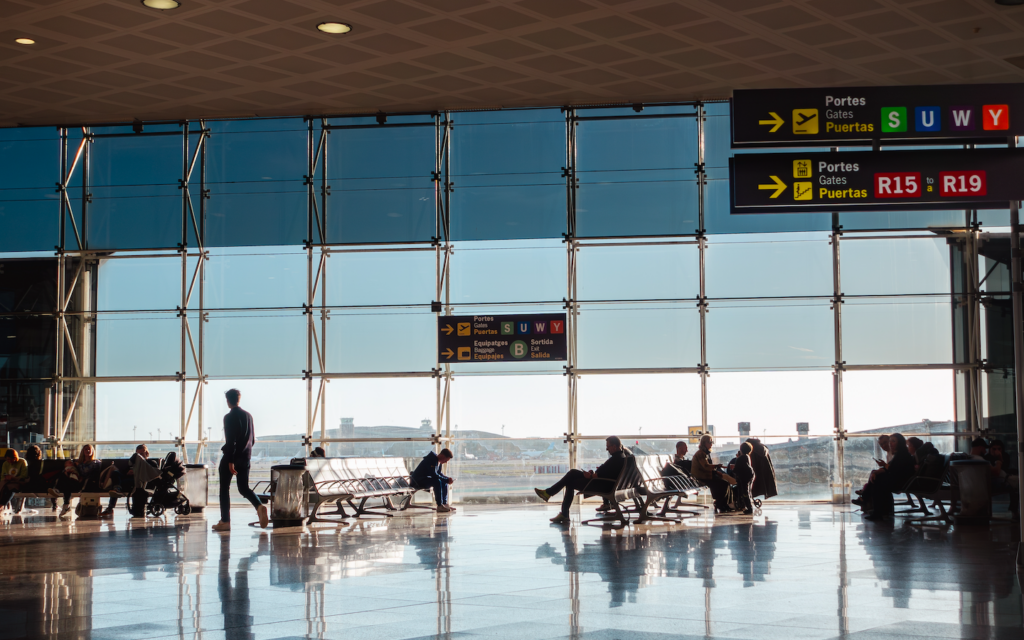
The result puts two major Spanish gateways among the leading airports. Photo credit: Giulio Benzin/Shutterstock
If you have ever rushed through an airport hoping to clear security, find your gate and grab a coffee before boarding, you will know how much the airport itself can shape a trip. Now, two of Spain’s busiest airports have been recognised in a new international ranking, with Barcelona-El Prat taking the top spot among the world’s largest airports and Madrid-Barajas also securing a place in the top ten.
The results come from the 2026 World Consumer Airport Index, published by the Consumer Choice Center. Rather than looking only at passenger satisfaction or flight punctuality, the index considers several practical factors that can make travelling easier or more frustrating.
Barcelona airport takes first place
Barcelona-El Prat Josep Tarradellas Airport has been ranked the best large airport in the world, ahead of major international hubs in Europe, the United States, Asia and the Middle East. Rome Fiumicino Airport takes second place, followed by Los Angeles International Airport in third. Bangkok Suvarnabhumi Airport ranks fourth, while Paris Charles de Gaulle comes fifth. Saudi Arabia’s King Abdulaziz International Airport in Jeddah is sixth, followed by London Heathrow in seventh place.
Madrid-Barajas comes eighth, with Tokyo Haneda in ninth and Dubai International Airport completing the top ten. For passengers travelling through Barcelona, one of the standout findings concerns security. The report highlights an average waiting time of just three minutes, putting the airport among those that perform well on this measure. For travellers who have experienced long queues before a flight, although the ranking does not guarantee that every passenger will get through security in three minutes. Waiting times can still vary depending on the day, time and volume of passengers.
What makes an airport the best?
The index assesses airports using factors that affect the journey before passengers even board their flights. These include connections to public transport, how easily passengers can move between terminals and gates, the range of airlines available, average flight delays and whether an airport hotel is available. Airports also receive additional points if security waiting times are below three minutes and if they operate without a night-time curfew.
The ranking divides airports into two groups according to passenger numbers. Those handling more than 47.2 million passengers a year are assessed separately from smaller airports, allowing the report to compare facilities operating at different scales. Barcelona’s first-place finish applies to the large-airport category, rather than every airport worldwide regardless of size.
Spain’s second airport success
Madrid-Barajas is the other Spanish airport to feature in the top ten, taking eighth place in the large-airport ranking. The result puts two major Spanish gateways among the leading airports in their category, with Barcelona ahead of established hubs including Heathrow, Charles de Gaulle and Dubai.
Spain’s airports handled a record 384.8 million passengers in 2025, an increase of 3.4 per cent compared with 2024. That growing volume makes the passenger experience at major airports particularly relevant for people living in Spain, as well as the millions of visitors who pass through each year.
Which smaller airport came first?
Barcelona was not the only European airport to claim the leading position. Düsseldorf Airport in Germany topped the separate ranking for airports handling fewer than 47.2 million passengers annually. Zurich came second, followed by Copenhagen in third. Helsinki and Milan Malpensa also featured among the top five smaller airports.
The findings underline that the best-performing airport depends partly on the category being assessed, rather than passenger numbers alone. It is also worth noting that this is not the same as the Skytrax World Airport Awards, which use a different assessment based on passenger surveys. Those awards can produce a different winner, so Barcelona’s position here should be understood specifically within the Consumer Choice Center’s index.
For anyone flying from Spain, the ranking offers a welcome recognition for Barcelona and Madrid. But the real test for passengers will still be the experience on the day: getting to the terminal, clearing security, reaching the gate and making the flight on time.
Follow Euro Weekly News on Google News
Get breaking news from Spain, travel updates, and expat stories directly on your Google News feed.
Follow on Google NewsSign up for personalised news
Subscribe to our Euro Weekly News alerts to get the latest stories into your inbox!
By signing up, you will create a Euro Weekly News account if you don't already have one. Review our Privacy Policy for more information about our privacy practices.



Molly Grace
Molly is a British journalist and author who has lived in Spain for over 25 years. With a background in animal welfare, equestrian science, and veterinary nursing, she brings curiosity, humour, and a sharp investigative eye to her work. At Euro Weekly News, Molly explores the intersections of nature, culture, and community - drawing on her deep local knowledge and passion for stories that reflect life in Spain from the ground up.
Comments