Spain fuel price crisis deepens as inflation reaches highest level since 2023
By Molly Grace • Published: 14 Oct 2026 • 12:48 • 3 minutes read
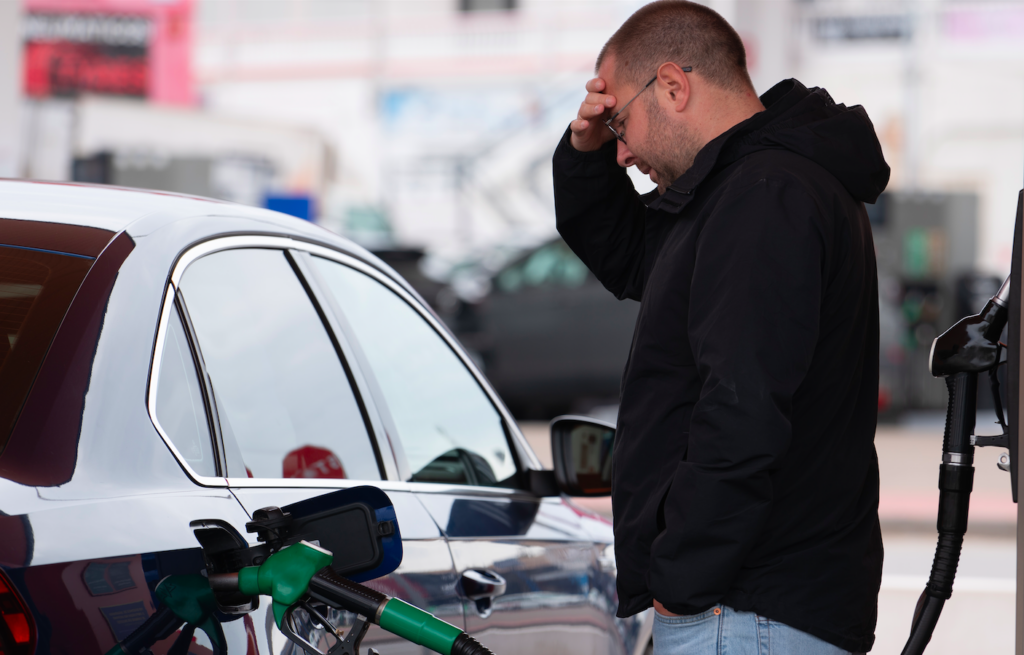
The fuel figures have a direct consequence for November. Photo credit: RuslanMN/Shutterstock
If you have been watching your household budget closely, Spain’s latest inflation figures bring another unwelcome development. The annual rate has climbed to 4.9 per cent, its highest level since February 2023, as fuel prices continue to surge. There is one small piece of relief for drivers, however, with the €0.20-per-litre fuel tax reduction set to remain in place throughout November.
The National Statistics Institute (INE) confirmed the September figure on Wednesday, October 14, marking a six-tenths increase on August’s 4.3 per cent. Prices also rose by 0.3 per cent over the month, while underlying inflation, which excludes unprocessed food and energy, climbed to 3.1 per cent. The latest increase means Spain has now recorded three consecutive months of rising annual inflation, putting renewed pressure on households already dealing with higher living costs.
Fuel prices push inflation higher
Petrol and diesel have been major contributors to the increase. Petrol prices rose by 9.2 per cent in September alone and were 34 per cent higher than a year earlier, according to figures reported by Cadena SER. Diesel prices have also climbed, increasing costs for commuters, families and businesses that rely on road transport. The surge comes amid energy-market instability linked to the conflict in the Middle East. Higher fuel costs affect household budgets directly at the pump, while also increasing the cost of transporting goods and providing services.
For drivers, there is some relief ahead. The latest figures mean the €0.20-per-litre fuel tax reduction is set to continue in November, rather than falling to the lower amount originally planned. The extension is triggered by the fuel-price threshold included in the government’s existing measures. However, it does not guarantee cheaper petrol or diesel. The final price at the pump still depends on changing fuel costs, so the tax reduction may cushion increases without bringing the price motorists pay down.
Holiday prices also affect the figures
Fuel is not the only factor behind September’s inflation increase. The INE said recreation, sport and culture also had a significant influence on the annual rate, partly because package holiday prices fell less than they did in September last year. That difference affects the year-on-year comparison used to calculate inflation.
It does not mean every holiday became more expensive over the month, but it contributed to the higher overall rate. Inflation figures reflect the combined movement in prices across a range of goods and services, rather than the experience of every household. Some costs may rise sharply while others change very little, and the national rate does not necessarily match what an individual family spends each month.
Inflation reaches its highest level since early 2023
September’s 4.9 per cent rate is Spain’s highest since February 2023, when annual inflation stood at 6 per cent. Underlying inflation also edged up to 3.1 per cent, two-tenths higher than in August. That underlying measure excludes unprocessed food and energy, which can fluctuate sharply. Its increase suggests that price pressures are not confined to fuel alone, although energy costs have played a major role in the latest rise.
The annual rate compares prices with those recorded in the same month a year earlier. It does not mean every product or service has become 4.9 per cent more expensive, nor does it show how much prices rose in September alone. The monthly increase was 0.3 per cent. For households, the distinction matters, but the cumulative effect of higher prices is still felt in everyday spending. Even when individual increases appear small, repeated rises can leave less money available for other bills, savings or unexpected expenses.
What happens next?
The November fuel reduction will provide some relief for motorists, but it will not reverse the wider rise in prices. Drivers who cover long distances or depend on their vehicles for work may feel fuel increases more sharply than those who drive occasionally. The direction of inflation in the coming months will depend in part on energy prices and whether the pressure on fuel eases.
Other categories, including food, services and travel, will also influence the overall rate. For now, September’s figures show that Spain’s cost-of-living pressure has intensified again. The fuel tax reduction will continue into November, but households will still be watching how much they pay at the pump and whether other everyday costs follow the same upward trend.
Follow Euro Weekly News on Google News
Get breaking news from Spain, travel updates, and expat stories directly on your Google News feed.
Follow on Google NewsSign up for personalised news
Subscribe to our Euro Weekly News alerts to get the latest stories into your inbox!
By signing up, you will create a Euro Weekly News account if you don't already have one. Review our Privacy Policy for more information about our privacy practices.




Molly Grace
Molly is a British journalist and author who has lived in Spain for over 25 years. With a background in animal welfare, equestrian science, and veterinary nursing, she brings curiosity, humour, and a sharp investigative eye to her work. At Euro Weekly News, Molly explores the intersections of nature, culture, and community - drawing on her deep local knowledge and passion for stories that reflect life in Spain from the ground up.
Comments