Spain orders better food in care homes. What have elderly residents been eating?
By Nazario Rodriguez • Published: 04 Nov 2026 • 17:40 • 4 minutes read
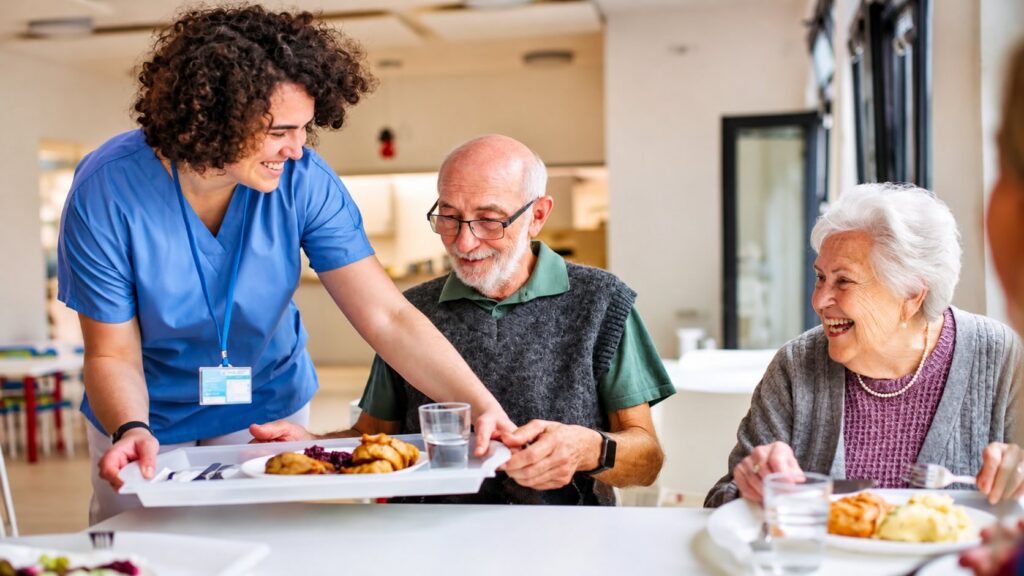
Spain has approved new food standards for care homes and hospitals, with limits on ready meals and fried foods. Credit: Halfpoint / Shutterstock.
A decent meal should be the least anyone expects when an elderly parent moves into a care home. Yet Spain has now found it necessary to introduce rules limiting ready meals and fried foods, while demanding more fresh produce and better nutrition. The measures, approved on November 3, will also apply to hospitals, both public and private. For families paying substantial sums for residential care, the question is obvious. Shouldn’t proper food have been part of the service all along?
So what exactly is changing?
The days of relying too heavily on convenience food could be numbered. Under the new rules, hospitals and care homes will be allowed to serve a maximum of three portions of precooked meals a month, while fried food will be limited to twice a week.
For someone living in a care home, where every meal is prepared by someone else, these changes are more than a matter of taste. Food plays an important part in maintaining health, particularly among elderly residents who may already be dealing with medical conditions.
And the government is not simply taking things off the menu. It is also setting out what should replace them.
More fresh food and fewer shortcuts
Fresh fruit, vegetables, fish, pulses and wholegrains will have a greater presence on menus. At least 90 per cent of fruit and 30 per cent of vegetables served must be fresh and seasonal.
For residents receiving all their meals at a care home, the requirements are more specific. Menus must include at least three portions of vegetables and two to three portions of fruit every day, along with fish at least three times a week, alternating between white and oily varieties.
Pulses will also feature more regularly, with at least four weekly portions of dishes containing plant proteins for residents receiving full board.
There is even a requirement for organic food. At least 25 per cent of the total food purchasing budget must eventually go towards organic produce, although centres will be allowed to meet a lower threshold of 10 per cent during the first four years.
These are hardly extravagant demands. They are the sort of nutritional standards many families might reasonably assume were already being followed.
The measures are detailed in the Spanish Ministry of Consumer Affairs’ official announcement, published following the government’s approval on November 3.
What about residents who need special diets?
A healthy menu is one thing. Making sure it is suitable for the person eating it is another. Many older residents have diabetes, swallowing difficulties, allergies or other conditions that make their dietary needs more complicated. Simply putting more vegetables on a plate is not necessarily the answer.
The new rules require meals to be supervised by professionals with accredited training in nutrition and dietetics. Menus must also be adapted to individual needs, including those arising from health conditions, religious beliefs or ethical preferences. Hospitals and residential centres will introduce nutritional screening to help identify people at risk of malnutrition. That could prove particularly important for vulnerable residents whose nutritional problems might otherwise go unnoticed.
Even hospital vending machines are getting a shake up
Anyone who has spent hours waiting in a hospital knows the problem. You want something to eat, but the vending machine offers little beyond chocolate, crisps and sugary drinks. That is also set to change. Under the new regulations, at least 70 per cent of food and drinks offered in affected vending machines must meet healthier nutritional standards. Those products will also have to occupy the most visible positions.
Sugary drinks and energy drinks will face restrictions, while coffee and other hot drink machines must dispense beverages without added sugar by default. Anyone wanting sugar will still be able to add it, but only up to five grams.
The regulations also require free drinking water fountains in the facilities covered by the decree.
The problem is hardly new. EWN previously reported how unhealthy snacks dominated vending machines in Spanish hospitals, highlighting the limited healthier choices available to patients and visitors.
Will private care homes have to follow the rules?
Yes, and this is an important point for families paying privately for residential care.
The regulations cover both public and private hospitals and residential care facilities, including homes for elderly people and those with additional support needs.
In other words, the standards will not depend on whether a resident is receiving publicly funded care or paying privately.
The decree also covers nursery schools for children up to three, where the restrictions are even tighter. Children in these settings, along with young hospital patients, will be limited to one precooked meal a month.
Certain requirements also extend to publicly owned universities, libraries and museums.
When will the changes happen?
Although the government approved the decree on November 3, that does not mean every hospital and care home must immediately change its menus.
The requirements will need to be implemented according to the timetable established in the final published regulation. Families should therefore not expect every change to appear overnight.
In the meantime, relatives can ask care homes some straightforward questions. Who prepares the menus? Are they reviewed by a qualified nutrition professional? How are special dietary requirements handled? And how much fresh food is actually being served?
The government has set out what healthier meals should look like. Whether these rules deliver meaningful improvements will depend on how they are put into practice.
After all, when someone depends on others for every meal, decent food should never be considered an optional extra.
Follow Euro Weekly News on Google News
Get breaking news from Spain, travel updates, and expat stories directly on your Google News feed.
Follow on Google NewsSign up for personalised news
Subscribe to our Euro Weekly News alerts to get the latest stories into your inbox!
By signing up, you will create a Euro Weekly News account if you don't already have one. Review our Privacy Policy for more information about our privacy practices.





Nazario Rodriguez
I’ve worked in news media for over 10 years, previously as Production Manager at Euro Weekly News, and I now focus on audience strategy and content performance. I specialise in understanding what readers engage with and shaping content that serves them well.
Comments