British pensioners in Spain could get more euros as pound hits 17-month high
By Harry Dennis • Updated: 19 Oct 2026 • 17:43 • 3 minutes read
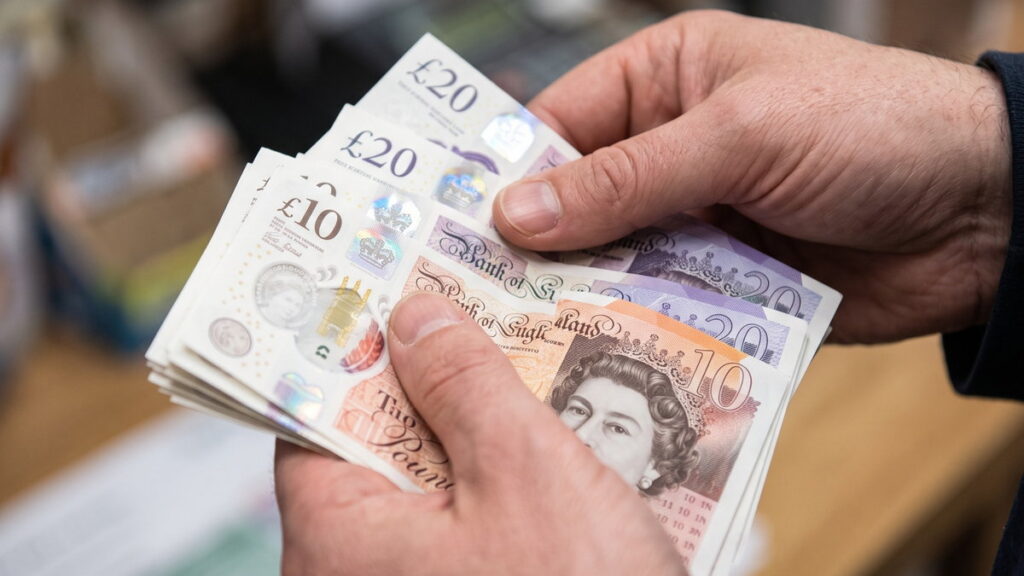
The pound has climbed to its highest level against the euro in 17 months. Credit generated by AI / Gemini
British residents in Spain could see their money go further after the pound surged to its highest level against the euro in 17 months. Sterling climbed to around €1.19 on Monday, October 19, giving those receiving pensions, savings or other income from the UK a welcome boost in spending power. However, the gain is modest, and with the UK Budget due on October 28 it may not last.
Sterling hits its strongest level against the euro in 17 months
Brits in Spain who are paid in pounds are feeling a little better off this week. Sterling climbed to around €1.19 on Monday October 19, its highest level against the euro in 17 months.
Traders in London tend to quote the rate the other way round, so you’ll also see the same move described as 84.11 pence to the euro. Earlier in the day the pound touched an even stronger 83.95 pence, the best level since May 2025.
Although it has hit a 17-month high, it’s still quite a modest move. The pound was up by around a quarter of one per cent on the day, and it has been creeping higher since the start of the month.
What the stronger pound means for money sent to Spain
The difference adds up for anyone whose pension, savings or rental income arrives from the UK. A transfer of £2,000 (about €2,345) on Thursday October 1 would now be worth about €2,378, which is roughly €30 more.
Put another way, every £1,000 you send is worth around €16 more than it was at the start of the month. That might not sound like much, but every extra cent helps when rent, shopping and bills in Spain are all paid in euros.
The same goes for Brits visiting Spain, with £500 of spending money worth about €594 today compared with roughly €586 on October 1.
Remember those figures are before fees, though. The rate you actually get will usually be lower than the one quoted in the markets once your bank or transfer company has taken its cut.
The State Pension rise could be worth more too
Anyone expecting a State Pension increase next April may feel the benefit as well. EWN reported in September that the full new State Pension could rise by as much as £489 a year, which is now worth roughly €580 at today’s exchange rate.
However, that increase hasn’t been confirmed yet, as it depends on the Triple Lock (the UK rule that lifts the pension each year by the highest of wage growth, inflation or 2.5 per cent). The euro value will also move with the pound between now and then.
Why the pound is rising and the euro is slipping
Part of the gain comes from Britain doing better than expected. The UK economy grew more strongly than forecast in August, and investors have been less worried about the government’s finances.
Some analysts, including those at Commerzbank, also think that resilience could give the Bank of England room to raise interest rates, which would normally support the pound. However, views on that are mixed, with Bank of England Governor Andrew Bailey saying on Friday that higher energy prices appear to have had only a limited effect on UK prices so far, though it’s too early to draw firm conclusions.
The rest comes down to a rough patch for the euro. France is dealing with some of its worst unrest in years, including riots on the streets, and its government’s borrowing costs have edged higher compared with Germany’s. Natural gas prices have also climbed to a four-year high, adding to the pressure on the euro.
So the pound is rising partly because the UK is doing better than feared and partly because the euro is wobbling, though the latter can change quickly.
Why the gain might not last
The next big test is the UK Budget on Wednesday October 28. HSBC has said the Budget adds risks for the pound, with investors likely to hold back from backing sterling until they’ve seen the measures and how the bond markets react.
Forecasts are split, though. ING expects the pound to stay between €1.18 and €1.19 over the next few months, with room to climb to €1.22 if problems in the eurozone get worse. French bank Société Générale, however, has advised selling the pound’s rallies above €1.19 and expects it to slip back towards €1.15 by the third quarter of 2027.
If you’ve got a transfer coming up, it’s worth comparing what your bank offers with a currency specialist for the same amount, as rates and fees can differ from one provider to the next.
With the Budget due on Wednesday October 28, anyone planning a bigger transfer to Spain may want to check the rate again around then before sending the money.
Follow Euro Weekly News on Google News
Get breaking news from Spain, travel updates, and expat stories directly on your Google News feed.
Follow on Google NewsSign up for personalised news
Subscribe to our Euro Weekly News alerts to get the latest stories into your inbox!
By signing up, you will create a Euro Weekly News account if you don't already have one. Review our Privacy Policy for more information about our privacy practices.





Harry Dennis
Born in the UK and raised on the Cádiz coast, Harry brings his background in design, music, and photography to his writing for Euro Weekly News, sharing stories that celebrate culture and lifestyle across Spain and beyond.
Comments