Guardia Civil patrols caught speeding on way to robbery as four officers face prosecution
By Molly Grace • Published: 22 Oct 2026 • 23:44 • 3 minutes read
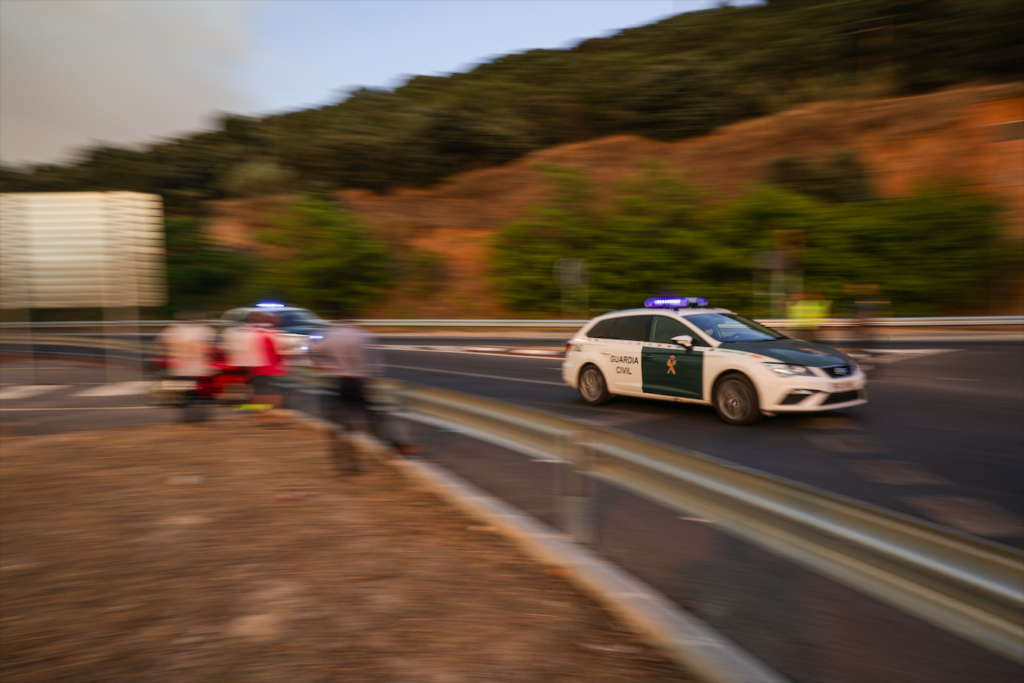
The prosecution has requested that the case be archived. Photo credit: Eugenio R. Rigo/Shutterstock
Four Guardia Civil officers in Granada found themselves facing criminal proceedings after two patrol cars were caught speeding by a fixed radar while rushing to a reported robbery. The prosecution has now asked for the case to be dropped, following a legal process that has raised questions about how officers are protected when responding to emergencies.
The incident happened at around 03:00am, when the Central Operations Centre (COS) alerted officers to a robbery in progress in a town in Granada province. The nearest patrols were sent to the scene, but their journey would lead to an investigation into their own conduct.
Two patrol cars caught by a speed camera
The two patrols were travelling to the reported robbery when a fixed speed camera recorded both vehicles exceeding the speed limit. The four officers were subsequently investigated over a possible road traffic offence. The Traffic Investigation and Analysis Group (GIAT) of the Guardia Civil’s Sevilla command initiated criminal proceedings, despite the officers reportedly having been responding to an urgent deployment.
Around six weeks after the incident, all four were summoned to appear before a duty court to give statements. According to the Unified Association of Guardia Civil Officers (AUGC), the proceedings caused personal and professional difficulties, with one officer having to interrupt his holiday to attend. What began as an emergency call had left the officers facing potential criminal consequences for the way they responded.
Can emergency vehicles exceed the speed limit?
Spanish traffic regulations allow priority vehicles, including Guardia Civil patrol cars, to exceed normal speed limits when responding to emergencies, provided they meet the applicable conditions and drive with due care. The exemption does not give emergency drivers unrestricted permission to speed. They must still consider road conditions and the risks to other road users. The AUGC argued that the officers were responding to an urgent call and that official reports supported their actions.
The association questioned why criminal proceedings had been initiated against officers who were carrying out an instruction to attend a robbery. The potential consequences were serious. Under Article 379.1 of Spain’s Criminal Code, excessive speeding that meets the threshold for a criminal offence can carry three to six months in prison, a fine or community service. A driving ban of more than one year and up to four years may also apply. The officers were therefore facing more than an ordinary speeding ticket if the alleged conduct was found to constitute a criminal offence.
Prosecutors ask for proceedings to be dropped
The prosecution has requested that the case be archived, offering the four officers a potential end to the proceedings. The AUGC is also calling on the Guardia Civil’s national leadership to establish a clear protocol for officers responding to emergencies. It wants personnel to know when they can exceed speed limits and what legal protections apply when they do so.
The association has highlighted that two of the officers hold representative positions within its Granada branch: one is the provincial secretary, while another serves as secretary for press and finance. However, it has not established that their positions were connected to the investigation.
Guardia Civil demands clearer rules for emergency driving
The prosecution’s request to archive the case is a significant development, but the wider demand for a formal protocol remains. The AUGC wants the rules governing emergency driving to be clear enough that officers can concentrate on responding to incidents rather than being left uncertain about the legal consequences of their decisions.
Follow Euro Weekly News on Google News
Get breaking news from Spain, travel updates, and expat stories directly on your Google News feed.
Follow on Google NewsSign up for personalised news
Subscribe to our Euro Weekly News alerts to get the latest stories into your inbox!
By signing up, you will create a Euro Weekly News account if you don't already have one. Review our Privacy Policy for more information about our privacy practices.





Molly Grace
Molly is a British journalist and author who has lived in Spain for over 25 years. With a background in animal welfare, equestrian science, and veterinary nursing, she brings curiosity, humour, and a sharp investigative eye to her work. At Euro Weekly News, Molly explores the intersections of nature, culture, and community - drawing on her deep local knowledge and passion for stories that reflect life in Spain from the ground up.
Comments