Demolition hammer performance for concrete and masonry removal
By Nicola EWN • Published: 28 Oct 2026 • 17:16 • 5 minutes read
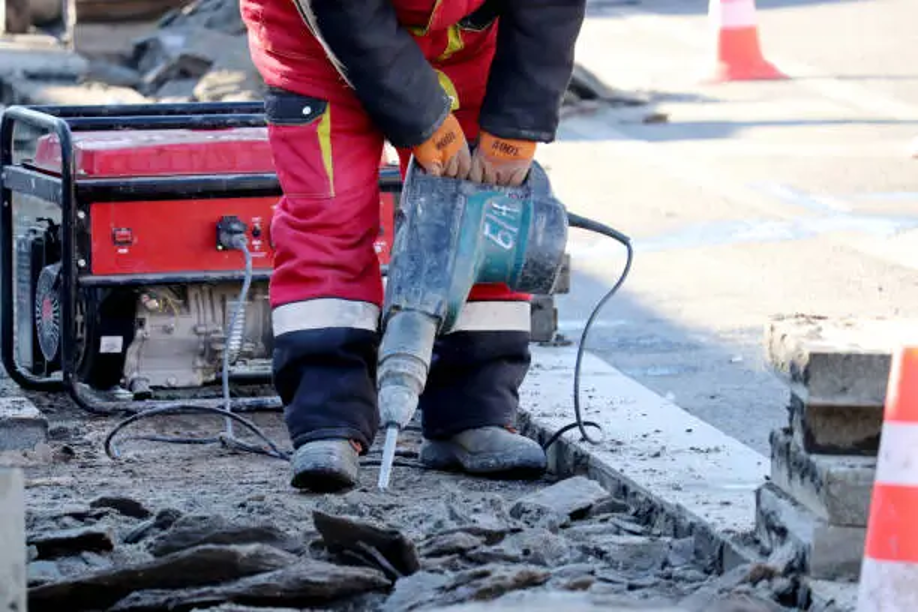
Credit: Oleg Elkov/Shutterstock.com
Removing concrete and masonry requires equipment that can handle repeated impact without making every task a struggle. Whether you are renovating a building, removing an old walkway, or clearing damaged brickwork, the right demolition tool can make the job more manageable.
A demolition hammer is designed to break hard materials through repeated mechanical impacts. Unlike a standard drill, it focuses on chipping and breaking rather than creating holes. This makes it useful for projects where workers need to remove solid material instead of simply making openings.
Choosing an electric demolition hammer involves more than checking its power rating. Impact energy, chisel compatibility, handling, and the type of material all affect its performance. Understanding these features helps contractors and DIY users select equipment that suits their work.
What makes a demolition hammer suitable for concrete removal?
Concrete has a dense structure that can resist ordinary hand tools. Breaking it often requires concentrated force delivered through a suitable chisel. Demolition hammers provide this action through an internal mechanism that repeatedly drives the attached tool against the surface.
Different concrete structures require different approaches. A thin concrete path may break with less effort than a thick reinforced slab. The machine’s impact capacity and the condition of the concrete both influence the work involved.
Understanding the impact mechanism
An electric demolition hammer converts electrical energy into repeated mechanical impacts. These impacts travel through the tool holder and chisel into the working surface. As cracks develop, sections of concrete begin to separate.
The operator guides the chisel toward the areas that need breaking. Working along existing cracks or exposed edges can help control how the material separates. This approach is often more manageable than attacking a large surface without a clear breaking plan.
Key features that influence breaking performance
Not every demolition machine performs the same way. Several specifications determine how a tool handles concrete, brick, and other masonry materials. Comparing these features gives buyers a clearer idea of what to expect during actual work.
Motor capacity and power delivery
Motor capacity indicates how much electrical power a machine uses. Higher wattage can support demanding applications, but it does not tell the whole story. The internal impact system and overall machine design also influence how effectively the tool breaks material.
Removing a concrete step may require a different level of performance than demolishing a thick masonry wall. Selecting a machine based on the actual task helps avoid unnecessary weight and power consumption. Always check the manufacturer’s specifications before choosing equipment for a demanding project.
Impact energy and blow frequency
Impact energy describes the amount of energy delivered with each blow, commonly measured in joules. Blow frequency, usually measured in blows per minute, indicates how often the chisel strikes the material.
Both measurements matter, but neither should be considered alone. A machine with frequent impacts may not necessarily break dense concrete faster than one delivering stronger individual blows. The material, chisel shape, and operating method also affect the result.
How chisel design changes the removal process
The shape of the cutting accessory determines where the machine concentrates its impact. Using the correct chisel can make concrete removal more controlled and reduce unnecessary damage to nearby surfaces.
An electric model may support different chisel styles depending on its tool holder. Before buying replacement accessories, check the shank type and the manufacturer’s compatibility information.
Pointed and flat chisels for different surfaces
Pointed chisels are useful when breaking solid concrete or opening cracks in thick masonry. Their narrow tips concentrate impact on a small area. Flat chisels distribute force across a wider edge and work well for removing mortar, tile, and surface layers.
Wide chisels can help strip plaster and other thin materials. Choosing the wrong shape may cause unwanted gouges or make the work less efficient. Matching the accessory to the surface gives operators better control over the removal process.
Demolition hammer or rotary hammer: Which tool fits?
These two tools may look similar, but they serve different purposes. A demolition hammer focuses on repeated impacts and does not rotate its chisel. A rotary hammer combines rotation with hammering, allowing it to drill into concrete and perform lighter chiselling tasks.
For removing large amounts of concrete, a dedicated demolition tool is often more suitable. A rotary hammer can be more practical when a project involves drilling anchor holes and occasional surface removal. The choice depends on how much breaking the job requires.
Consider the size and position of the work
Small wall repairs and tile removal may not require a heavy breaker. A lighter machine can offer better control when working vertically or in confined rooms. Larger floor demolition jobs may call for a heavier tool that delivers stronger impacts.
Think about where the machine will operate, not just what material it will break. A tool that performs well on a floor may be difficult to control during overhead work. The working position should influence the equipment decision.
What to check before starting a demolition project
Good preparation can prevent avoidable problems during concrete and masonry removal. Before switching on the machine, inspect the surface and identify any hidden services. Electrical wiring, water pipes, and reinforcement can affect the demolition method.
The surrounding area also needs attention. Loose objects, unstable materials, and nearby workers can create hazards. Planning the removal sequence helps keep the work organised and reduces the risk of damaging areas that need to remain intact.
Prepare the surface and work area
Mark the section that needs removal and check its boundaries. If the concrete connects to a wall or another structure, consider how breaking one section may affect the surrounding material. Use appropriate cutting methods where clean edges are required.
Remove loose debris before positioning the machine. Make sure the power cable stays clear of the working area. Keep other people outside the immediate demolition zone while the equipment is operating.
Managing dust, noise, and vibration during operation
Breaking concrete produces dust and noise that can affect both operators and nearby workers. Fine dust from concrete may contain respirable crystalline silica, which presents serious health risks when inhaled. Suitable dust suppression, extraction, and respiratory protection should form part of the work plan.
Vibration is another important consideration. Repeated exposure can affect the hands and arms, particularly during long working periods. A model with vibration-reduction features may improve operator comfort, but it does not remove the need to manage exposure time carefully.
Follow safe operating practices
Wear suitable eye protection, hearing protection, safety footwear, and respiratory protection based on the job’s risk assessment. Check the machine before use and follow the manufacturer’s operating instructions. Avoid applying excessive downward pressure because the impact mechanism is designed to do the breaking.
Take regular breaks and follow applicable vibration exposure guidance. Keep a firm grip without squeezing the handles more than necessary. Stop operating the machine if unusual noises, excessive vibration, or visible damage appear.
Frequently asked questions
What materials can a demolition hammer break?
It can break concrete, brick, stone, mortar, and other suitable masonry materials. Performance depends on the machine specification and the attached accessory.
Is it suitable for home renovation?
Yes. It can help with concrete steps, old flooring, masonry sections, and other renovation tasks when its power and weight suit the project.
Does a higher BPM rating mean faster concrete removal?
Not necessarily. Impact energy, material hardness, chisel design, and operating technique all affect how quickly concrete breaks.
Can it remove floor tiles?
Yes. A compatible flat or wide chisel can help lift tiles and remove underlying material. Careful operation helps protect the surface underneath.
How do I maintain the equipment?
Inspect the cord, tool holder, housing, and chisels regularly. Clean the machine after use and follow the manufacturer’s instructions for lubrication, servicing, and storage.
Follow Euro Weekly News on Google News
Get breaking news from Spain, travel updates, and expat stories directly on your Google News feed.
Follow on Google NewsSign up for personalised news
Subscribe to our Euro Weekly News alerts to get the latest stories into your inbox!
By signing up, you will create a Euro Weekly News account if you don't already have one. Review our Privacy Policy for more information about our privacy practices.





Nicola EWN
Nicola is a member of the editorial team specialising in features, digital content and online publishing. With broad experience across media and communications, she works across feature articles, editorial content and digital platforms, managing content across a range of subjects.
Comments