Dirty air and hotter weather could mean higher blood sugar for you, even without diabetes
By Harry Dennis • Published: 29 Oct 2026 • 17:07 • 2 minutes read
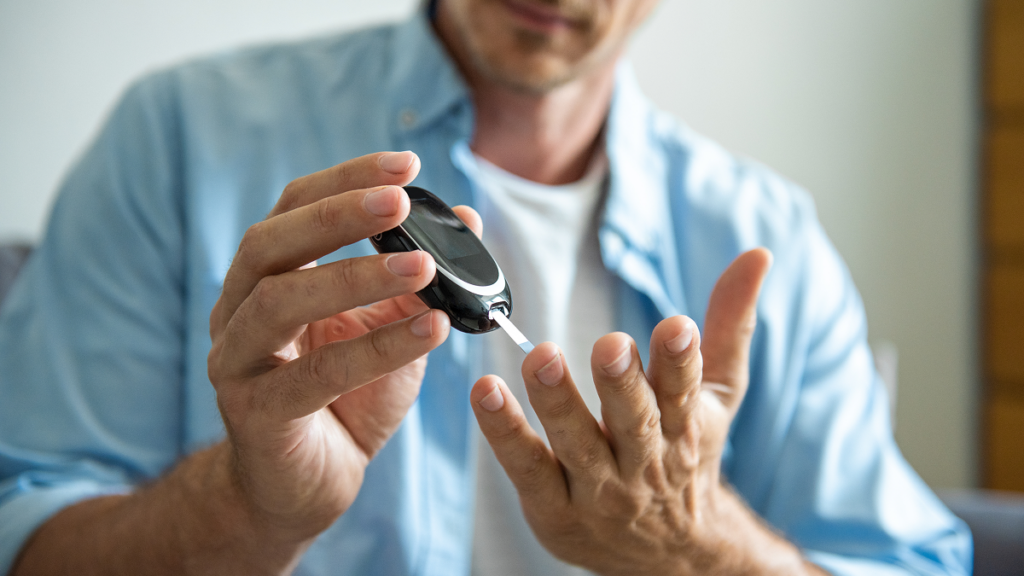
Dirty air and heat were linked to higher blood sugar, even in people without diabetes. Credit: Iren_Geo / Shutterstock
A large European study that included 5,464 volunteers from Cataluña has found that even people with no diabetes showed higher average blood sugar when they were exposed to dirtier air or hotter, more changeable temperatures.. The researchers stress that it shows a link between the two, but isn’t yet proof that one causes the other.
The study looked at 21,259 people without diabetes
Researchers pooled data on 21,259 people across nine European cohorts, all of them without diabetes. Of those, 5,464 came from GCAT|Genomes for Life, a Catalan project run by the Germans Trias i Pujol Research Institute (IGTP).
The work was led by the Swiss Tropical and Public Health Institute and the University of Basel, and it was published in Environment International. IGTP, which took part, announced the findings on Wednesday October 21.
The team looked at HbA1c, a blood test that shows average blood sugar over the previous two to three months, which is also one of the tests doctors use to diagnose diabetes.
Dirty air and heat were both linked to higher blood sugar
Higher exposure to air pollution, particularly PM10 (tiny airborne particles that come from sources including traffic, industry and dust), was linked to higher HbA1c levels. Rising temperatures and bigger swings in temperature were linked to higher levels too.
Those findings might sound worrying, but the picture is a bit more complicated. Dirty air and hot weather didn’t seem to work on their own, as the researchers found that they affected each other. Living near parks and green spaces, on the other hand, made no consistent difference to blood sugar either way.
Cleaner air looked more valuable on hotter days
Cleaner air appeared to bring a bigger benefit when it was hotter, according to the researchers. So cleaner air could be linked to lower blood sugar, while hotter weather and bigger swings in temperature could be linked to higher levels.
GCAT researcher and co-author Natàlia Blay said environmental exposures like air pollution and temperature shouldn’t be looked at on their own. Temperature, she added, is especially relevant in today’s changing climate.
Inflammation and insulin resistance may be behind it
Scientists think inflammation in the body and insulin resistance could help explain the link. However, the study didn’t directly examine how well the body’s insulin-producing cells were working, so that remains a theory.
The study also only shows an association, and it doesn’t conclude that pollution or temperature changes cause diabetes in people who don’t have it.
More research is needed to understand how the link works and how big it really is. In the meantime, anyone worried about their own blood sugar can ask their doctor about an HbA1c test.
Follow Euro Weekly News on Google News
Get breaking news from Spain, travel updates, and expat stories directly on your Google News feed.
Follow on Google NewsSign up for personalised news
Subscribe to our Euro Weekly News alerts to get the latest stories into your inbox!
By signing up, you will create a Euro Weekly News account if you don't already have one. Review our Privacy Policy for more information about our privacy practices.





Harry Dennis
Born in the UK and raised on the Cádiz coast, Harry brings a creative eye to his writing, sharing stories that celebrate culture and lifestyle across Spain and beyond.
Comments